

Security News
Scaling Socket from Zero to 10,000+ Organizations
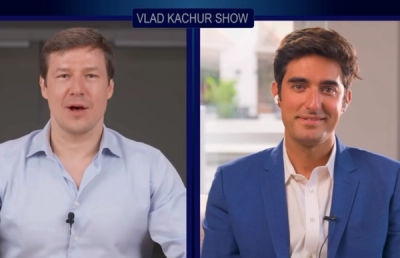
Socket CEO Feross Aboukhadijeh shares lessons from scaling a developer security startup to 10,000+ organizations in this founder interview.
By Sarah Gooding - Dec 02, 2025
@bijan-massoumi/paco-protocol
Advanced tools
The owner pays a SAF (Self Assessment Fee) proportionate to the price they’ve set. The percentage is at the discretion of the deployer. Because this fee scales with the price set, it creates an incentive to price the token close to how the owner truly values it.
If they want to hold onto the NFT, the owner can set a higher price (incurring a higher fee). If they want to flip it, they can set the price closer to the floor and pay less.
The token owner posts a subscriptionPool greater than or equal to a protocol-determined percentage of their self assessed price. Every block, a small amount of their subscriptionPool drips out to pay their SAF. The percentage must be non-trivial to mitigate attack vectors explained later.
An address can be set at deployment. Whether this address is a multi-sig, a DAO or the creator’s personal wallet is at the discretion of the deployer.
https://mirror.xyz/shah256.eth/GEnHL-CCQcCN0J9UYhR3WM4_4_dvWvvUmOmPG1ya64Q
FAQs
Hardhat types for the paco protocol
We found that @bijan-massoumi/paco-protocol demonstrated a not healthy version release cadence and project activity because the last version was released a year ago. It has 1 open source maintainer collaborating on the project.
Did you know?

Socket for GitHub automatically highlights issues in each pull request and monitors the health of all your open source dependencies. Discover the contents of your packages and block harmful activity before you install or update your dependencies.
Security News
Socket CEO Feross Aboukhadijeh shares lessons from scaling a developer security startup to 10,000+ organizations in this founder interview.

Research
Socket Threat Research maps a rare inside look at OtterCookie’s npm-Vercel-GitHub chain, adding 197 malicious packages and evidence of North Korean operators.

Research
Socket researchers identified a malicious Chrome extension that manipulates Raydium swaps to inject an undisclosed SOL transfer, quietly routing fees to an attacker wallet.