Angular Lib for OpenID Connect & OAuth2







Secure your Angular app using the latest standards for OpenID Connect & OAuth2. Provides support for token refresh, all modern OIDC Identity Providers and more.
Acknowledgements
This library is certified by OpenID Foundation. (RP Implicit and Config RP)

Features
Installation
Ng Add
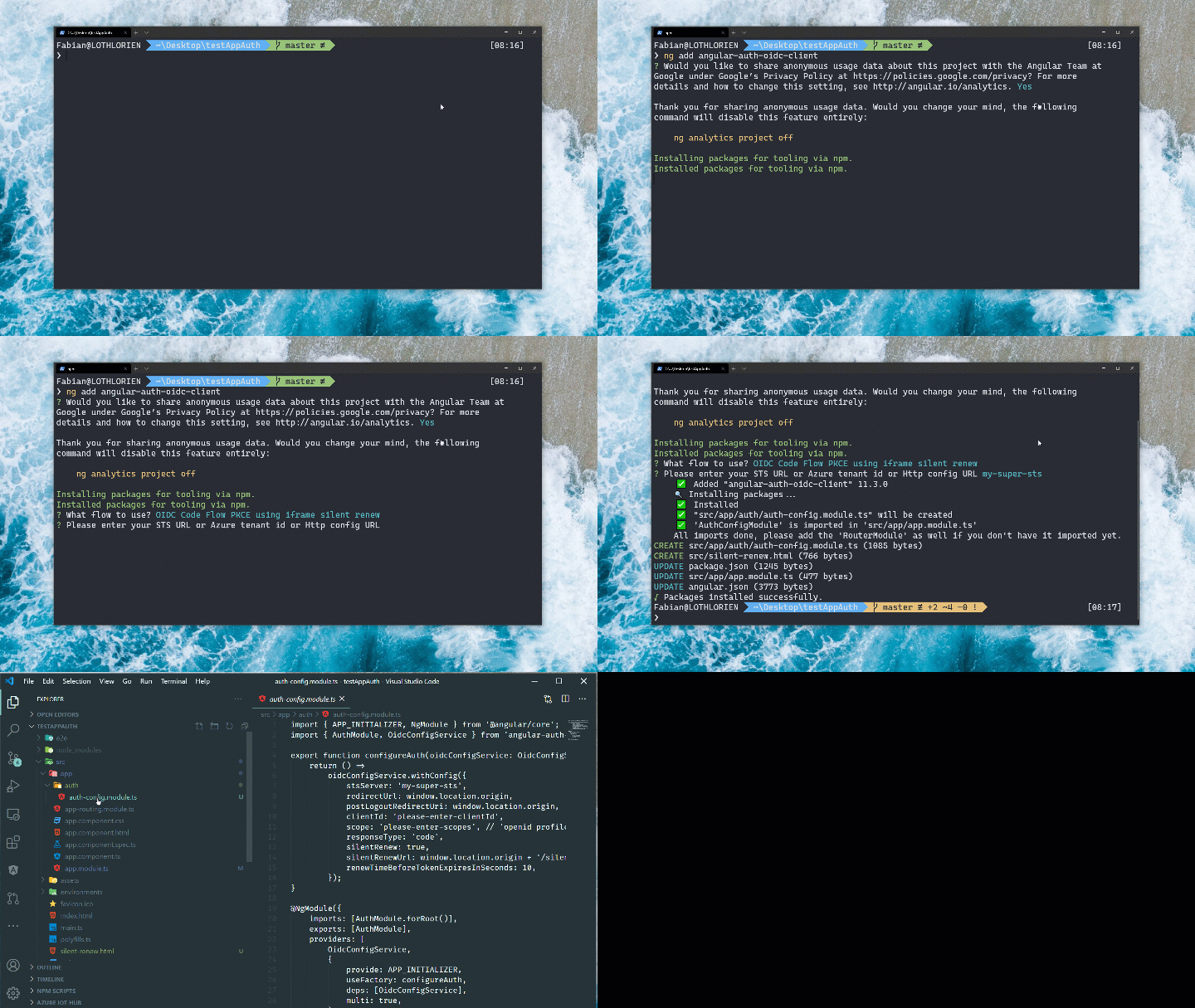
You can use the schematics and ng add the library.
ng add angular-auth-oidc-client
And answer the questions. A module will be created which encapsulates your configuration.
Npm / Yarn
Navigate to the level of your package.json and type
npm install angular-auth-oidc-client
or with yarn
yarn add angular-auth-oidc-client
Documentation
Read the docs here
Samples
Explore the Samples here
Quickstart
For the example of the Code Flow. For further examples please check the Samples Section.
If you have done the installation with the schematics, these modules and files should be available already!
Configuration
Import the AuthModule in your module.
import { NgModule } from '@angular/core';
import { AuthModule, LogLevel } from 'angular-auth-oidc-client';
@NgModule({
imports: [
AuthModule.forRoot({
config: {
authority: '<your authority address here>',
redirectUrl: window.location.origin,
postLogoutRedirectUri: window.location.origin,
clientId: '<your clientId>',
scope: 'openid profile email offline_access',
responseType: 'code',
silentRenew: true,
useRefreshToken: true,
logLevel: LogLevel.Debug,
},
}),
],
})
export class AppModule {}
And call the method checkAuth() from your app.component.ts. The method checkAuth() is needed to process the redirect from your Security Token Service and set the correct states. This method must be used to ensure the correct functioning of the library.
import { Component, OnInit, inject } from '@angular/core';
import { OidcSecurityService } from 'angular-auth-oidc-client';
@Component({
})
export class AppComponent implements OnInit {
private readonly oidcSecurityService = inject(OidcSecurityService);
ngOnInit() {
this.oidcSecurityService
.checkAuth()
.subscribe((loginResponse: LoginResponse) => {
const { isAuthenticated, userData, accessToken, idToken, configId } =
loginResponse;
});
}
login() {
this.oidcSecurityService.authorize();
}
logout() {
this.oidcSecurityService
.logoff()
.subscribe((result) => console.log(result));
}
}
Using the access token
You can get the access token by calling the method getAccessToken() on the OidcSecurityService
const token = this.oidcSecurityService.getAccessToken().subscribe(...);
And then you can use it in the HttpHeaders
import { HttpHeaders } from '@angular/common/http';

const token = this.oidcSecurityServices.getAccessToken().subscribe((token) => {
  const httpOptions = {
    headers: new HttpHeaders({
      Authorization: 'Bearer ' + token,
    }),
  };
});
You can use the built in interceptor to add the accesstokens to your request
AuthModule.forRoot({
config: {
secureRoutes: ['https://my-secure-url.com/', 'https://my-second-secure-url.com/'],
},
}),
 providers: [
    { provide: HTTP_INTERCEPTORS, useClass: AuthInterceptor, multi: true },
  ],
Versions
Current Version is Version 17.x
License
MIT
Authors





