
Research
Supply Chain Attack on Axios Pulls Malicious Dependency from npm
A supply chain attack on Axios introduced a malicious dependency, plain-crypto-js@4.2.1, published minutes earlier and absent from the project’s GitHub releases.
This package will help you create and read in JSON files into your application.
This can be helpful for a series of use cases.
npm install easy-json --save
const EasyJSON = require('easy-json');
const root = require('app-root-path');
const destination = `${root.path}/config`;
const fileName = "config.json";
const jay = EasyJSON.getInstance(fileName, destination);
//... use jay object here
The operations that are available to you.
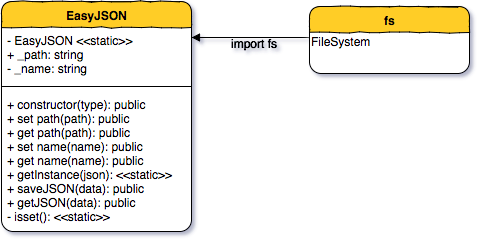
EasyJSON.getInstance(fileName, destination) gets the object to use in your program sets default name of file and destination.saveJSON(data) save any javascript data to disk.getJSON() gets JSON data from disk.path = "path/name" set the property of the parent path.path returns the set path.name = "config.json" sets the name of file to write to disk.name gets the name of the fileThis module was made possible thanks to LearnMEAN.com

FAQs
Read and write out JSON to the File System.
We found that easy-json demonstrated a not healthy version release cadence and project activity because the last version was released a year ago. It has 1 open source maintainer collaborating on the project.
Did you know?

Socket for GitHub automatically highlights issues in each pull request and monitors the health of all your open source dependencies. Discover the contents of your packages and block harmful activity before you install or update your dependencies.

Research
A supply chain attack on Axios introduced a malicious dependency, plain-crypto-js@4.2.1, published minutes earlier and absent from the project’s GitHub releases.

Research
Malicious versions of the Telnyx Python SDK on PyPI delivered credential-stealing malware via a multi-stage supply chain attack.

Security News
TeamPCP is partnering with ransomware group Vect to turn open source supply chain attacks on tools like Trivy and LiteLLM into large-scale ransomware operations.



