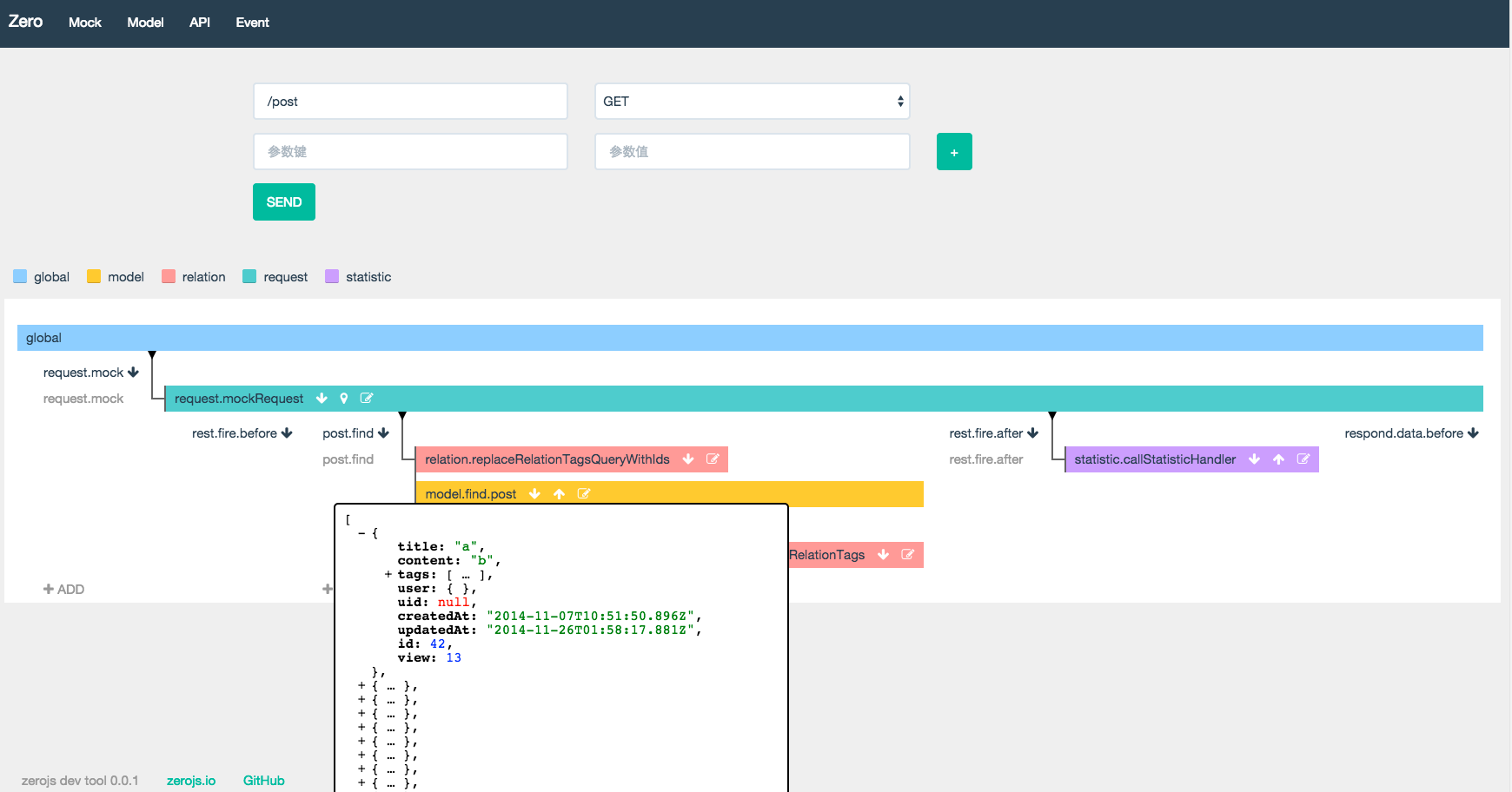
Radior is a event bus for both practical programmers and application architects. It can be used as a simple string-based event bus without any buy-in in small apps. When handling large apps, especially the one with complex business logic, its powerful features like Listener Sequence Control can help you keep the system low-coupled and flexsible during the growth.
Quick Start
Radior is really easy to get start with, check the code below. I don't think it need any explain.
var Bus = require('Radior')
var bus = new Bus
bus.on('start', function busListener( arg1, arg2 ){
console.log('listener fired', arg1, arg2)
})
bus.fire('start', 'argument1', 'argument2')
Most event libraries use a simple first-in, first-out listener sequence. But sometimes simple tactic can not solve real-world problem. For example, framework usually load modules from file system in alphabetical order, but module's listener may require a diffrent registration order. Listener which control the access of certain functionality may require to be called first of the sequence.
With roof-node, you can do it easily. Say that we have two listeners in different file both listen to event start, but one of them is in charge of validating the arguments.
start-something.js:
module.exports = function(bus){
	bus.on('start', function( owner ){
		console.log(owner + 'started something')
	})
}
validate-arguments.js:
module.exports = function(bus){
	bus.on('start',{
		fn: function(owner){
			if(owner !== 'Jane') throw new Error('owner is not Jane')
		},
		first : true
	})
}
To put the validation listener to first place, simply change the listener to a object with attribute first that set to true. If you want to stop following listeners from being called, just throw a error.
Sometime to describe complex business flow, listeners need to fire another event, like:
bus.on('process1', function(){
	bus.fire('process2')
})
When the hierachy goes deep, it will be hard to figure out what exactly happened when top event fired. Don't worry, Radior generates a detailed tracestack every time. And already been used in a web framework with amazing
Read on for more usage, you may find more practical features.
Usage
1. Simple on and fire.
var Bus = require('Radior')
var bus = new Bus

bus.on('start', function busListener( arg1, arg2 ){
	console.log('listener fired', arg1, arg2)
})

bus.fire('start', 'argument1', 'argument2')
2. Listener Sequence Control
Order of listeners on the same event can be controlled. Just name you listener function and then use the function name in attribute before or after.
bus.on('start', function listener1( arg1, arg2 ){
	console.log('listener1 fired', arg1, arg2)
})

bus.on('start', {
	fn: function listener2( arg1, arg2 ){
		console.log('listener2 fired', arg1, arg2)
	},
	before : ['listener1']
})

bus.fire('start', 'argument1', 'argument2')
There are four order control attributes: before after first last. Check below.
bus.on('start', function listener1( arg1, arg2 ){
console.log('listener1 fired', arg1, arg2)
})
bus.on('start', {
fn: function listener2( arg1, arg2 ){
console.log('listener2 fired', arg1, arg2)
},
before : ['listener1']
})
bus.on('start', {
fn: function listener3( arg1, arg2 ){
console.log('listener3 fired', arg1, arg2)
},
after : ['listener1']
})
bus.on('start', {
fn: function listener4( arg1, arg2 ){
console.log('listener4 fired', arg1, arg2)
},
first : true
})
bus.fire('start', 'argument1', 'argument2')
3. Handle asynchronicity
fire method always return a promise. If you have synchronous code in listener and want Radior wait for you, return a promise.
bus.on('start', function listener1( arg1, arg2 ){
	return new Promise(function(resolve,reject){
		setTimeout(resolve, 1000)
	})
})


bus.fire('start', 'argument1', 'argument2').then(function(){
	console.log('show in 1 second')
})
Note that listeners are fired synchronously as default. So listener which returns promise will block followers until promise resolve.
bus.on('start', function listener1( arg1, arg2 ){
	return new Promise(function(resolve,reject){
		setTimeout(resolve, 1000)
	})
})

bus.on('start', {
	fn: function listener2( arg1, arg2 ){
		console.log('will wait for listener1 resolve')
	},
	after : ['listener1']
})


bus.fire('start', 'argument1', 'argument2').then(function(){
	console.log('will wait all listener fired')
})
If you want some listeners to execute asynchronously, you can set async attribute to true as below.
bus.on('start', {
	fn: function listener1( arg1, arg2 ){
		return new Promise(function(resolve,reject){
			setTimeout(resolve, 1000)
		})
	},
	async : true
})

bus.on('start', {
	fn: function listener2( arg1, arg2 ){
		console.log('will not be blocked by listener1')
	},
	after : ['listener1']
})


bus.fire('start', 'argument1', 'argument2').then(function(){
	console.log('show in 1 second')
})
4. Generator support
If you have asynchrous code and do not like promise, you can use generator:
bus.on('start', function *listener1(){
	yield somethingAsync()
})

bus.on('start', {
    fn: function listener2( arg1, arg2 ){
        console.log('will be blocked by listener1')
    },
    after : ['listener1']
})
5. Passing data between listeners
Note the order of listeners is important when passing data.
bus.on('start', function listener1( arg1, arg2 ){
this.data.set('name','Bill')
})
bus.on('start', {
fn: function listener2( arg1, arg2 ){
console.log(this.data.get('name'))
},
after : 'listener1'
})
6. Fire inside listener
You already we can fire another event inside listener, and Radior will keep a tracestack for you. Just keep one thing in mind that you must use this.fire inside the listener:
bus.on('topEvent', function(){
	this.fire('rootEvent')
})
7. Error handling
You can throw a build-in Error instance or use Radior error method.
bus.on('start', function listener1( arg1, arg2 ){
throw new Error('some error')
})
bus.fire('start').then(function(){
}).catch(function( error){
console.log( error)
})
Advanced
List events
It easy to get all registered events:
bus.on('sing', function(){})
bus.on('dance', function(){})
var events = bus.getEvents()
console.log( events )
List listeners
Get all listeners for listened on certain event:
function listener1(){}
function listener2(){}
bus.on(event, listener1)
bus.on(event, {
	fn: listener2,
	before : 'listener1'
})

var listeners = bus.getListeners(event).toArray()
assert.equal( listeners[0].fn, listener2)
assert.equal( listeners[0].event, event)
assert.equal( listeners[1].fn, listener1)
Get listener tracestack
bus.on('dance', function danceListener(){
	this.data.set('name','Jane')
})

bus.fire('dance')

console.log( bus._runtime.data )
The tracestack structure:
{
	"event": {
		"name": "dance",
		"arguments": []
	},
	"listeners": {
		"danceListener": {
			"fn"    : [Function firstListener],
			"event" : "dance",
			"data"  :{
				"name":"Jane"
			}
		}
	}
}
Browse the test cases and examples for more detail. More documents coming soon.