

Security News
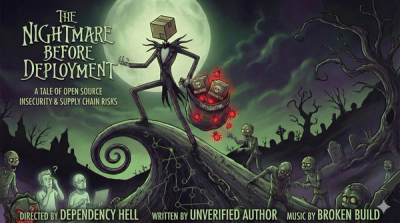
The Nightmare Before Deployment
Season’s greetings from Socket, and here’s to a calm end of year: clean dependencies, boring pipelines, no surprises.
By Ahmad Nassri - Dec 16, 2025
aws-databridge
Advanced tools
An AWS EC2 CLI application that supports XML, TXT, JSON, and CSV imports to various AWS databases.
AWS-DataBridge is a CLI application designed for AWS EC2 instances that allows users to import data from various file formats (XML, TXT, JSON, CSV) into multiple AWS databases including RDS, DynamoDB, Neptune, and DocumentDB. This tool automates the process of data conversion and storage, ensuring flexibility and ease of use for different database needs.
In your Ec2 instance run the following command
pip install aws-databridge
After the install you can run the following command to run the program
aws-databridge
There are some neccessary set up requirements in order to use the application without errors for each database
Make sure your EC2 has the required IAM Role permissions attached to your EC2 instance for each of the databases you are attempting to import to
To interact with your RDS instance you need to have the following credentials stored on your EC2
export RDS_HOST="your-rds-endpoint.rds.amazonaws.com"
export RDS_USER="your-username"
export RDS_PASSWORD="your-password"
export RDS_DB="your-database-name"
export RDS_PORT="3306"
To import into DocmunetDB you need to have the following credentials stored on your EC2
MONGO_URL = os.getenv('MONGO_URL', 'mongodb://localhost:27017')
MONGO_USERNAME = os.getenv('MONGO_USERNAME', 'default-user')
MONGO_PASSWORD = os.getenv('MONGO_PASSWORD', 'default_password')
MONGO_TLS = os.getenv('MONGO_TLS', 'global-bundle.pem')
To import into Neptune you need to have the following credentials stored on your EC2
NEP_ENDPOINT = os.getenv('NEP_ENDPOINT', 'db-neptune-1.cluster-cfsssmgsia9l.us-east-1.neptune.amazonaws.com')
IAM_ROLE_ARN = os.getenv('IAM_ROLE_ARN', 'arn:aws:iam::123456789012:role/NeptuneAccessDev')
IMPORT_BUCKET = os.getenv('IMPORT_BUCKET', 'default-bucket-name')
Currently data can be imported from an S3 bucket or from the local EC2 instance. To transfer a file from your machine to the EC2 use the following command:
rsync -avz --exclude '.venv' -e "ssh -i ~/.ssh/<your pem name>.pem" <path to your code> ec2-user@<ec2 ip>:/home/ec2-user/
To demonstrate how to use AWS-DataBridge, here’s an example of importing a JSON file into an RDS instance:
Ensure your data file (e.g., data.json) is either stored locally on your EC2 instance or in an S3 bucket. If it's not on your EC2 instance, you can transfer it using the command listed above in the Data Location section.
Use the command provided above to run the program.
The CLI will guide you through the steps, including specifying the table name and confirming the import. Be cautious of typos, as they may cause errors in the import process. AWS-DataBridge will convert the JSON file to the necessary format (if needed) and import the data to your RDS instance.
Note:
- When importing into RDS, DynamoDB, and DocumentDB, the file will be converted into a CSV format.
- For Neptune, the file will be converted to JSON if it isn't already in that format.
This code has been tested and verified to work on the AWS Linux 2023 AMI EC2. Compatibility with other environments or operating systems is not guaranteed.
If you would like to Contribute:
Also feel free to open an issue if you spot any problems with the program!
This project is licensed under the MIT License.
FAQs
An AWS EC2 CLI application that supports XML, TXT, JSON, and CSV imports to various AWS databases.
We found that aws-databridge demonstrated a healthy version release cadence and project activity because the last version was released less than a year ago. It has 1 open source maintainer collaborating on the project.
Did you know?

Socket for GitHub automatically highlights issues in each pull request and monitors the health of all your open source dependencies. Discover the contents of your packages and block harmful activity before you install or update your dependencies.
Security News
Season’s greetings from Socket, and here’s to a calm end of year: clean dependencies, boring pipelines, no surprises.

Research
/Security News
Impostor NuGet package Tracer.Fody.NLog typosquats Tracer.Fody and its author, using homoglyph tricks, and exfiltrates Stratis wallet JSON/passwords to a Russian IP address.

Security News
Deno 2.6 introduces deno audit with a new --socket flag that plugs directly into Socket to bring supply chain security checks into the Deno CLI.