




Security News
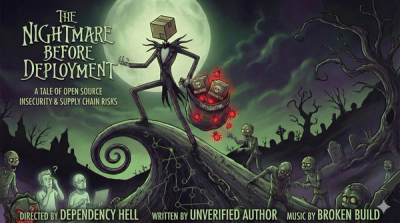
The Nightmare Before Deployment
Season’s greetings from Socket, and here’s to a calm end of year: clean dependencies, boring pipelines, no surprises.
By Ahmad Nassri - Dec 16, 2025
gorilla
Advanced tools
.. image:: https://img.shields.io/travis/christophercrouzet/gorilla/master.svg :target: https://travis-ci.org/christophercrouzet/gorilla :alt: Build status
.. image:: https://img.shields.io/coveralls/christophercrouzet/gorilla/master.svg :target: https://coveralls.io/r/christophercrouzet/gorilla :alt: Coverage Status
.. image:: https://img.shields.io/pypi/v/gorilla.svg :target: https://pypi.python.org/pypi/gorilla :alt: PyPI latest version
.. image:: https://readthedocs.org/projects/gorilla/badge/?version=latest :target: https://gorilla.readthedocs.io :alt: Documentation status
.. image:: https://img.shields.io/pypi/l/gorilla.svg :target: https://pypi.python.org/pypi/gorilla :alt: License
Gorilla is a Python library that provides a convenient approach to monkey patching.
Monkey patching is the process of modifying module and class attributes at runtime with the purpose of replacing or extending third-party code.
Although not a recommended practice, it is sometimes useful to fix or modify the behaviour of a piece of code from a third-party library, or to extend its public interface while making the additions feel like they are built-in into the library.
The Python language makes monkey patching extremely easy but the advantages of Gorilla are multiple, not only in assuring a consistent behaviour on both Python 2 and Python 3 versions, but also in preventing common source of errors, and making the process both intuitive and convenient even when faced with large numbers of patches to create.
Thanks to the dynamic nature of Python that makes monkey patching possible, the process happens at runtime without ever having to directly modify the source code of the third-party library:
.. code-block:: python
import gorilla import destination @gorilla.patches(destination.Class) ... class MyClass(object): ... def method(self): ... print("Hello") ... @classmethod ... def class_method(cls): ... print("world!")
The code above creates two patches, one for each member of the class
MyClass, but does not apply them yet. In other words, they define the
information required to carry on the operation but are not yet inserted into
the specified destination class destination.Class.
Such patches created with the decorators can then be automatically retrieved by recursively scanning a package or a module, then applied:
.. code-block:: python
import gorilla import mypackage patches = gorilla.find_patches([mypackage]) for patch in patches: ... gorilla.apply(patch)
See the Tutorial_ section from the documentation for more detailed examples
and explanations on how to use Gorilla.
Read the documentation online at gorilla.readthedocs.io_ or check its source
in the doc directory.
Projects using Gorilla include:
bana <https://github.com/christophercrouzet/bana>_mlflow <https://github.com/mlflow/mlflow>_Christopher Crouzet
<christophercrouzet.com <https://christophercrouzet.com>_>
.. _gorilla.readthedocs.io: https://gorilla.readthedocs.io .. _Tutorial: https://gorilla.readthedocs.io/en/latest/tutorial.html
FAQs
Convenient approach to monkey patching
We found that gorilla demonstrated a healthy version release cadence and project activity because the last version was released less than a year ago. It has 1 open source maintainer collaborating on the project.
Did you know?

Socket for GitHub automatically highlights issues in each pull request and monitors the health of all your open source dependencies. Discover the contents of your packages and block harmful activity before you install or update your dependencies.
Security News
Season’s greetings from Socket, and here’s to a calm end of year: clean dependencies, boring pipelines, no surprises.

Research
/Security News
Impostor NuGet package Tracer.Fody.NLog typosquats Tracer.Fody and its author, using homoglyph tricks, and exfiltrates Stratis wallet JSON/passwords to a Russian IP address.
Security News
Deno 2.6 introduces deno audit with a new --socket flag that plugs directly into Socket to bring supply chain security checks into the Deno CLI.