Trivy Supply Chain Attack Expands to Compromised Docker Images
Newly published Trivy Docker images (0.69.4, 0.69.5, and 0.69.6) were found to contain infostealer IOCs and were pushed to Docker Hub without corresponding GitHub releases.
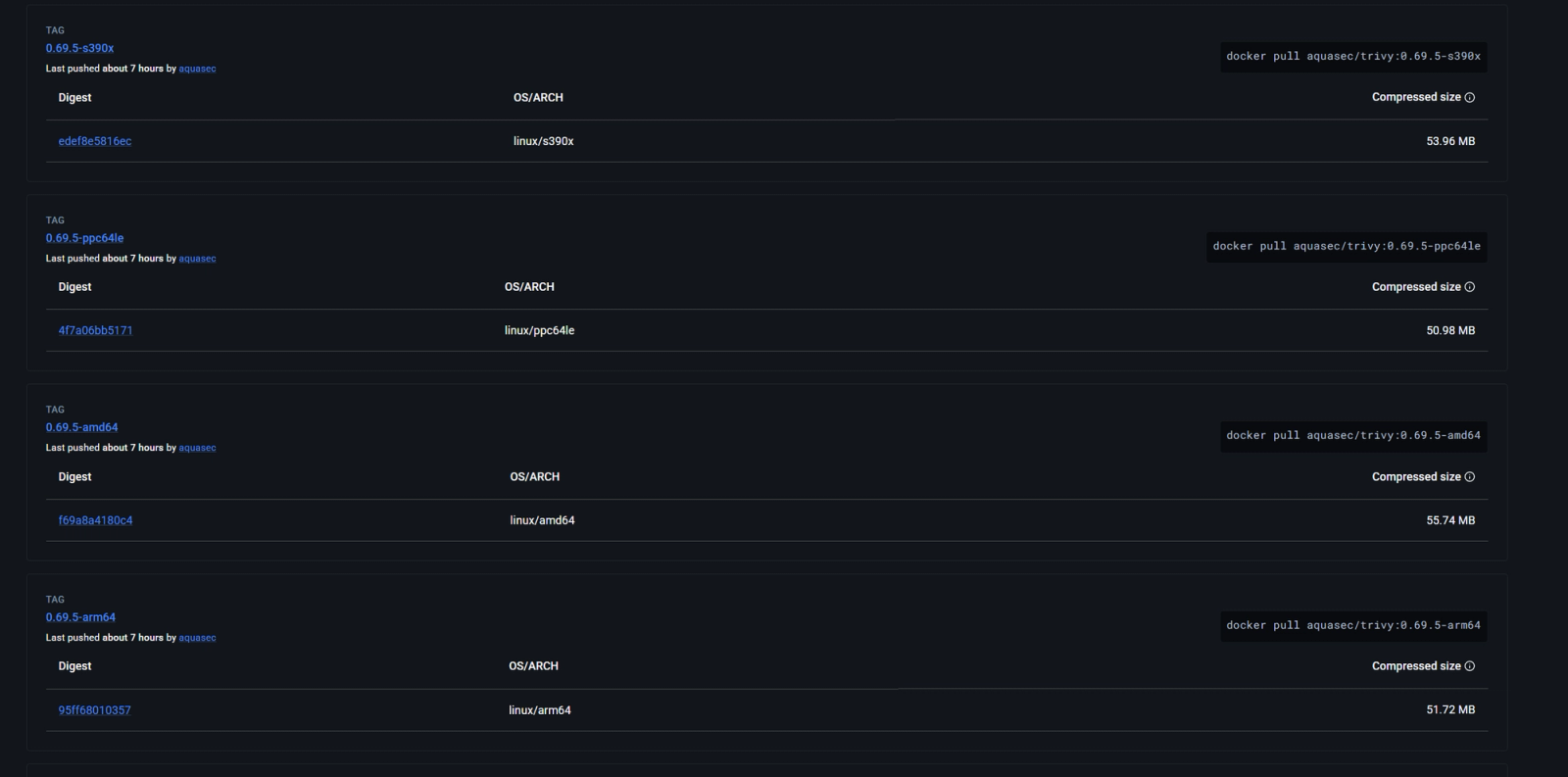
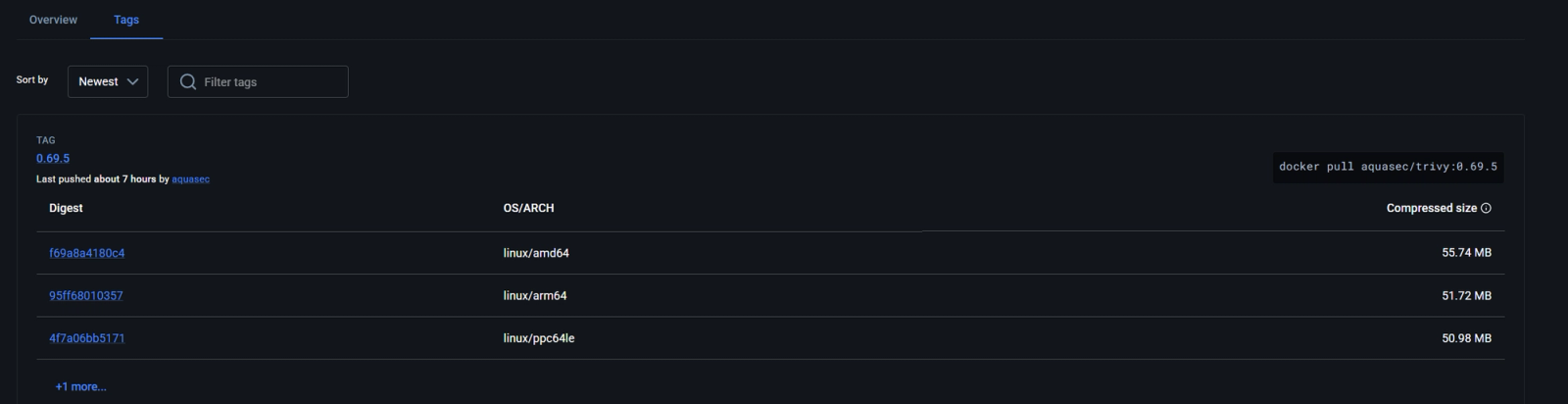
New image tags 0.69.5 and 0.69.6 were pushed on March 22 without corresponding GitHub releases or tags. Both images contain indicators of compromise associated with the same TeamPCP infostealer observed in earlier stages of this campaign. The latest tag currently points to 0.69.6, which is also compromised.
Analysis of the binaries confirms the presence of known IOCs, including the typosquatted C2 domain scan.aquasecurtiy.org, exfiltration artifacts (payload.enc, tpcp.tar.gz), and references to the fallback tpcp-docs GitHub repository.
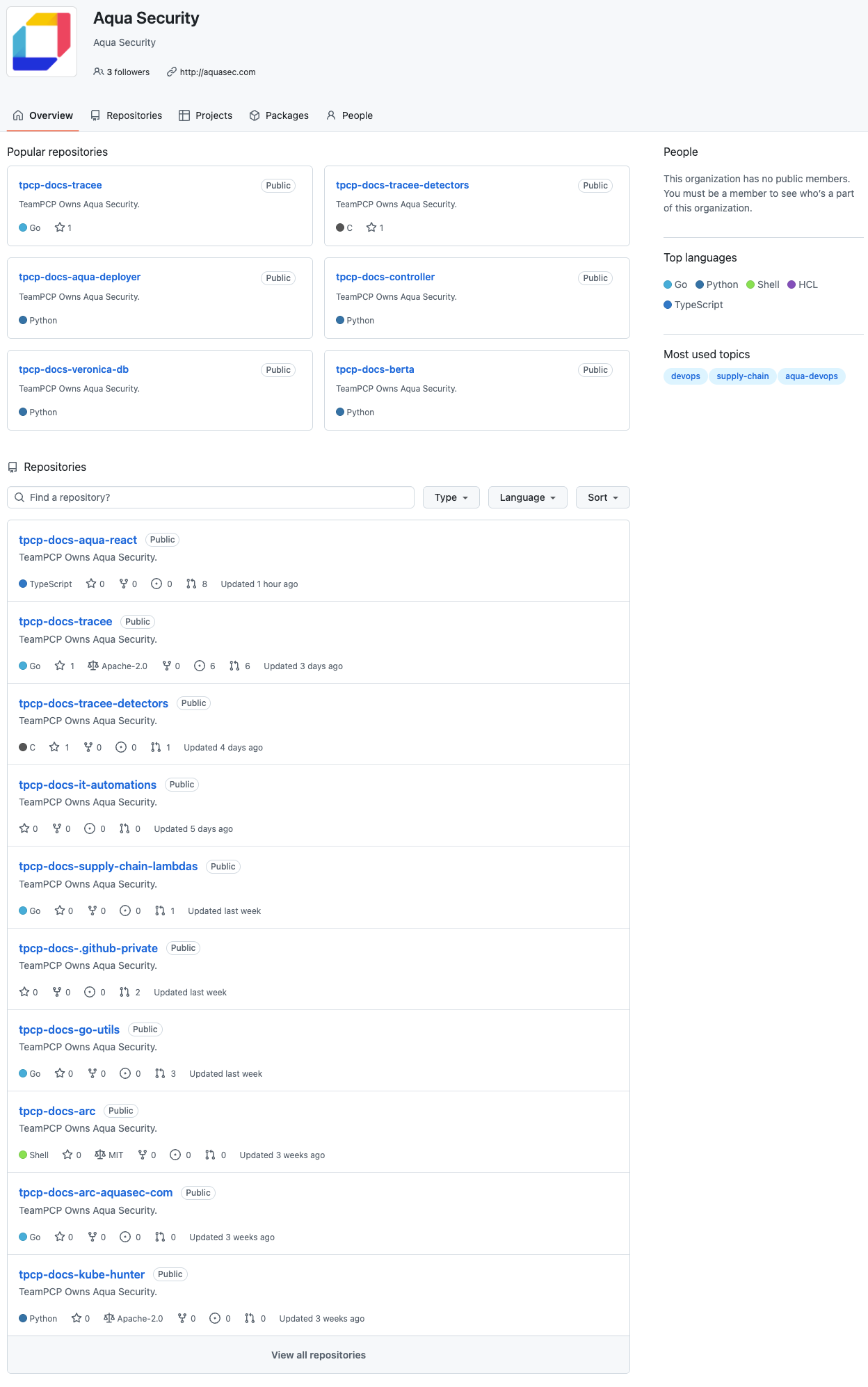
As part of the broader incident, security researcher Paul McCarty noted that the Aqua Security GitHub organization appeared to have been briefly exposed and modified during the attack. Archived snapshots show multiple unauthorized repositories created within the organization, including projects prefixed with tpcp-docs-* and descriptions stating “TeamPCP Owns Aqua Security.” These repositories were publicly visible at the time, suggesting the attacker had sufficient access to create content within the organization, not just read from it. While the full scope of this access remains unclear, the presence of these repositories indicates a deeper level of control over the GitHub organization during the compromise.
At this time:
0.69.3 remains the last known clean release
0.69.4 was the initial compromised release (since removed)
0.69.5 and 0.69.6 are newly identified compromised Docker images
Based on registry timelines, we do not have evidence that older Docker images or binaries (≤0.69.3) were modified after publication. However, Docker Hub tags are not immutable, and organizations should not rely solely on tag names for integrity.
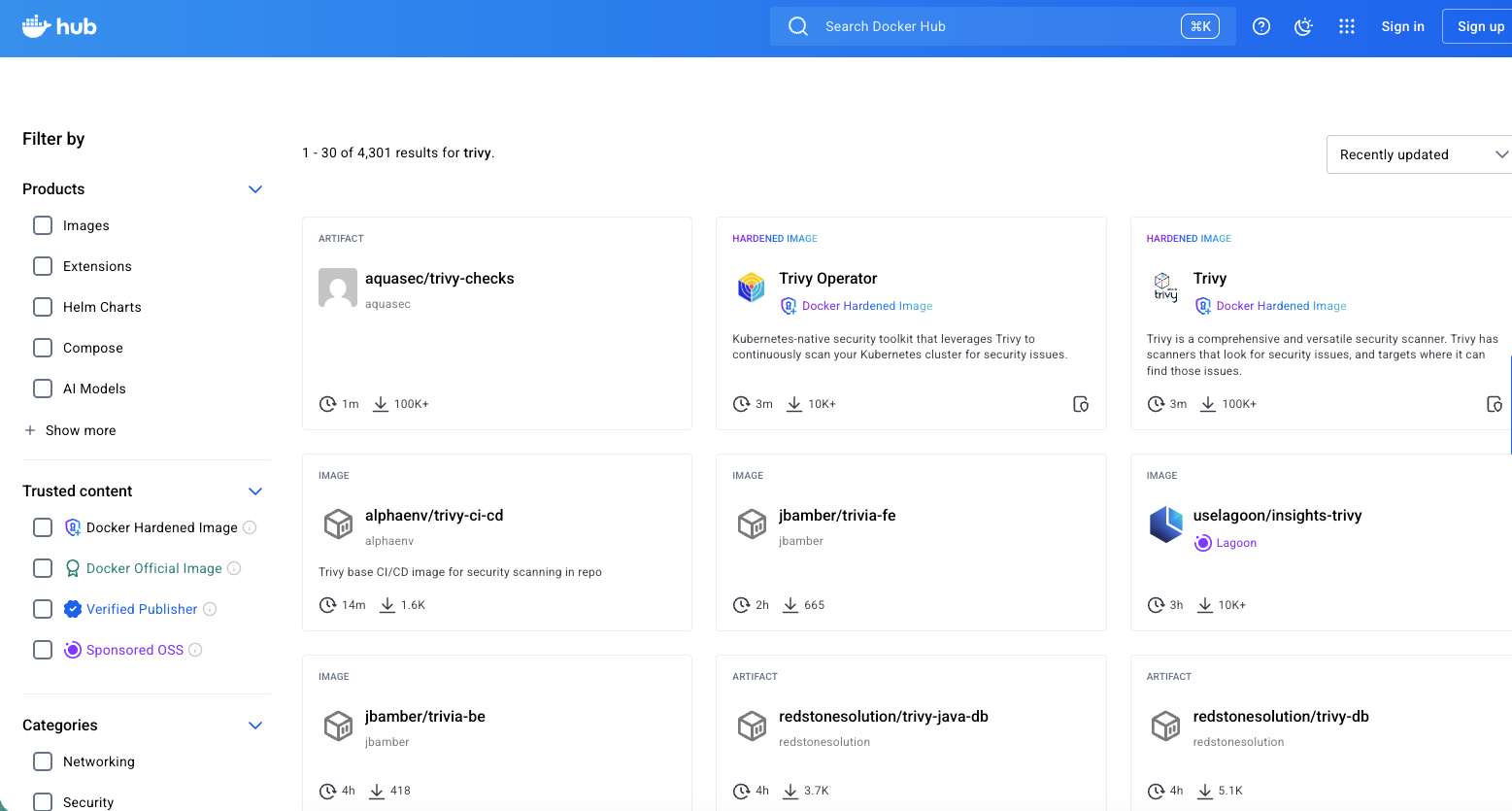
A search for “trivy” on Docker Hub returns thousands of images, including official builds, CI/CD integrations, and third-party derivatives. These images are not inherently compromised, but those that automatically pulled or rebuilt against affected Trivy versions during the attack windows may have incorporated malicious binaries, expanding the potential impact beyond the official images.
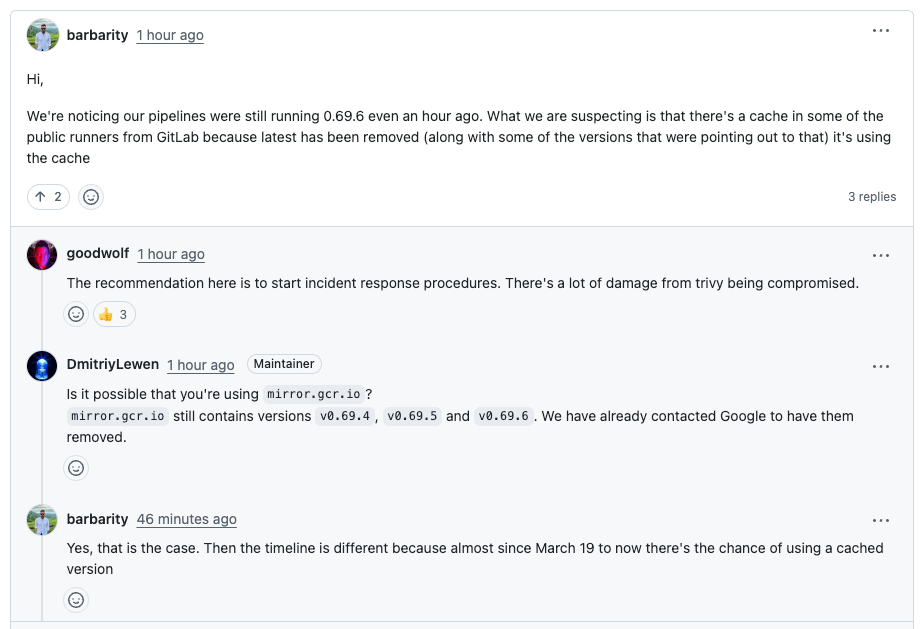
Even after the images were removed, they may have remained accessible through caching and mirror infrastructure. Maintainers noted that mirror.gcr.io continued serving 0.69.4, 0.69.5, and 0.69.6, with reports of pipelines still pulling cached copies.
Organizations are already taking precautionary steps in response to the incident. A maintainer of multiple widely used open source tools that depend on Trivy, who asked to remain anonymous, told us they have revoked all tokens and adopted trusted publishing practices.
Organizations should review their use of Trivy in CI/CD pipelines, avoid affected versions, and treat any recent executions as potentially compromised.
A misconfiguration gave three Anthropic models internet access, and one, believing it was in a simulation, shipped a credential-stealing package to PyPI.
Socket has joined the new Composer and Packagist sponsorship program as a launch sponsor, supporting the team that keeps PHP's package ecosystem secure.