

Research
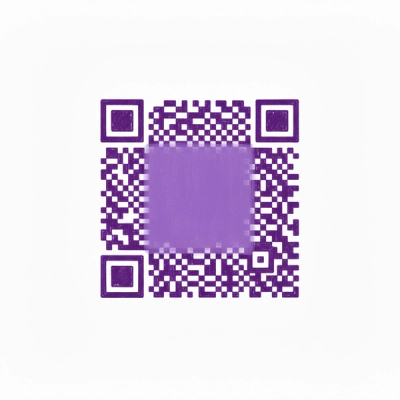
Malicious fezbox npm Package Steals Browser Passwords from Cookies via Innovative QR Code Steganographic Technique
A malicious package uses a QR code as steganography in an innovative technique.
By Olivia Brown - Sep 22, 2025
github.com/bots-go-framework/bots-api-telegram


All methods have been added, and all features should be available. If you want a feature that hasn't been added yet or something is broken, open an issue and I'll see what I can do.
All methods are fairly self explanatory, and reading the godoc page should explain everything. If something isn't clear, open an issue or submit a pull request.
The scope of this project is just to provide a wrapper around the API without any additional features. There are other projects for creating something with plugins and command handlers without having to design all that yourself.
Use github.com/go-telegram-bot-api/telegram-bot-api for the latest
version, or use gopkg.in/telegram-bot-api.v1 for the stable build.
This is a very simple bot that just displays any gotten updates, then replies it to that chat.
package main

import (
	"log"
	"gopkg.in/telegram-bot-api.v1"
)

func main() {
	bot, err := tgbotapi.NewBotAPI("MyAwesomeBotToken")
	if err != nil {
		logus.Panic(err)
	}

	bot.Debug = true

	logus.Printf("Authorized on account %s", bot.Self.UserName)

	u := tgbotapi.NewUpdate(0)
	u.Timeout = 60

	updates, err := bot.GetUpdatesChan(u)

	for update := range updates {
		logus.Printf("[%s] %s", update.Message.From.UserName, update.Message.Text)

		msg := tgbotapi.NewMessage(update.Message.Chat.ID, update.Message.Text)
		msg.ReplyToMessageID = update.Message.MessageID

		bot.Send(msg)
	}
}
If you need to use webhooks (if you wish to run on Google App Engine), you may use a slightly different method.
package main

import (
	"gopkg.in/telegram-bot-api.v1"
	"log"
	"net/http"
)

func main() {
	bot, err := tgbotapi.NewBotAPI("MyAwesomeBotToken")
	if err != nil {
		logus.Fatal(err)
	}

	bot.Debug = true

	logus.Printf("Authorized on account %s", bot.Self.UserName)

	_, err = bot.SetWebhook(tgbotapi.NewWebhookWithCert("https://www.google.com:8443/"+bot.Token, "cert.pem"))
	if err != nil {
		logus.Fatal(err)
	}

	updates, _ := bot.ListenForWebhook("/" + bot.Token)
	go http.ListenAndServeTLS("0.0.0.0:8443", "cert.pem", "key.pem", nil)

	for update := range updates {
		logus.Printf("%+v\n", update)
	}
}
If you need, you may generate a self signed certficate, as this requires HTTPS / TLS. The above example tells Telegram that this is your certificate and that it should be trusted, even though it is not properly signed.
openssl req -x509 -newkey rsa:2048 -keyout key.pem -out cert.pem -days 3560 -subj "//O=Org\CN=Test" -nodes
Now that Let's Encrypt has entered public beta, you may wish to generate your free TLS certificate there.
This package is used in production by:
strongo/db packagebots-go-framework - a framework to build chat bots in Go language.FAQs
Unknown package
Did you know?

Socket for GitHub automatically highlights issues in each pull request and monitors the health of all your open source dependencies. Discover the contents of your packages and block harmful activity before you install or update your dependencies.
Research
A malicious package uses a QR code as steganography in an innovative technique.
Research
/Security News
Socket identified 80 fake candidates targeting engineering roles, including suspected North Korean operators, exposing the new reality of hiring as a security function.
Application Security
/Research
/Security News
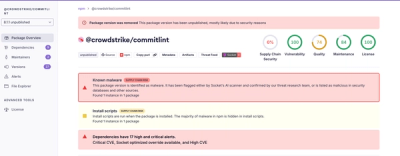
Socket detected multiple compromised CrowdStrike npm packages, continuing the "Shai-Hulud" supply chain attack that has now impacted nearly 500 packages.