

Product
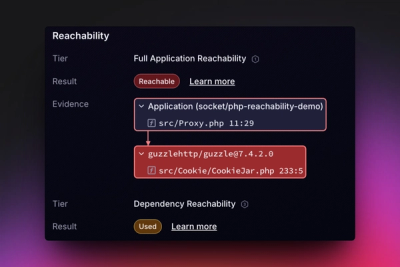
Introducing Reachability for PHP
Reachability analysis for PHP is now available in experimental, helping teams identify which vulnerabilities are actually exploitable.
By Benjamin Barslev - Apr 24, 2026
@zapier/zapier-sdk-mcp
Advanced tools
A MCP (Model Context Protocol) server implementation for the Zapier SDK, allowing AI assistants to interact with Zapier's APIs through a standardized protocol.
The Model Context Protocol (MCP) is a protocol developed by Anthropic that enables AI assistants like Claude and Cursor to interact with external tools and data sources through a standardized interface. This package creates an MCP server that exposes all Zapier SDK functions as MCP tools.
This package is part of the Zapier SDK monorepo and is automatically installed when you install the CLI:
npm install -D @zapier/zapier-sdk-cli
You can start the MCP server using the CLI:
# Start the MCP server
npx zapier-sdk mcp

# Enable debug logging
npx zapier-sdk mcp --debug
To use this MCP server with Claude Code, add it to your MCP configuration:
{
  "mcpServers": {
    "zapier-sdk": {
      "command": "npx",
      "args": ["zapier-sdk", "mcp"]
    }
  }
}
You can also use the server programmatically:
import { createZapierMcpServer, startMcpServer } from "@zapier/zapier-sdk-mcp";

// Create and configure the server
const server = createZapierMcpServer({ debug: true });

// Or start it directly
await startMcpServer({ debug: true });
The MCP server:
listApps becomes list-apps)All Zapier SDK functions are automatically exposed as MCP tools:
list-apps - List available Zapier appslist-actions - List actions for a specific appget-action - Get details about a specific actionrun-action - Execute a Zapier actionlist-connections - List your connectionsThe server provides comprehensive error handling:
AI Assistant (Claude)
      ↓ MCP Protocol
MCP Server (@zapier/zapier-sdk-mcp)
      ↓ Function Calls
Zapier SDK (@zapier/zapier-sdk)
      ↓ HTTP Requests
Zapier APIs
The MCP server acts as an adapter, translating between the MCP protocol and the Zapier SDK's function-based interface.
pnpm build
pnpm test
All SDK functions are automatically exposed as MCP tools using kebab-case naming.
get-profileGet current user's profile information
get-actionGet detailed information about a specific action
get-input-fields-schemaGet the JSON Schema representation of input fields for an action. Returns a JSON Schema object describing the structure, types, and validation rules for the action's input parameters.
list-actionsList all actions for a specific app
list-input-field-choicesGet the available choices for a dynamic dropdown input field
list-input-fieldsGet the input fields required for a specific action
run-actionExecute an action with the given inputs
get-appGet detailed information about a specific app
list-appsList all available apps with optional filtering
create-client-credentialsCreate new client credentials for the authenticated user
delete-client-credentialsDelete client credentials by client ID
list-client-credentialsList client credentials for the authenticated user
find-first-connectionFind the first connection matching the criteria
find-unique-connectionFind a unique connection matching the criteria
get-connectionExecute getConnection
list-connectionsList available connections with optional filtering
fetchMake authenticated HTTP requests to any API through Zapier. Pass a connectionId to automatically inject the user's stored credentials (OAuth tokens, API keys, etc.) into the outgoing request. Mirrors the native fetch(url, init?) signature with additional Zapier-specific options.
create-tableCreate a new table
create-table-fieldsCreate one or more fields in a table
create-table-recordsCreate one or more records in a table
delete-tableDelete a table by its ID
delete-table-fieldsDelete one or more fields from a table
delete-table-recordsDelete one or more records from a table
get-tableGet detailed information about a specific table
get-table-recordGet a single record from a table by ID
list-table-fieldsList fields for a table
list-table-recordsList records in a table with optional filtering and sorting
list-tablesList tables available to the authenticated user
update-table-recordsUpdate one or more records in a table
FAQs
MCP server for Zapier SDK
The npm package @zapier/zapier-sdk-mcp receives a total of 1,083 weekly downloads. As such, @zapier/zapier-sdk-mcp popularity was classified as popular.
We found that @zapier/zapier-sdk-mcp demonstrated a healthy version release cadence and project activity because the last version was released less than a year ago. It has 1 open source maintainer collaborating on the project.
Did you know?

Socket for GitHub automatically highlights issues in each pull request and monitors the health of all your open source dependencies. Discover the contents of your packages and block harmful activity before you install or update your dependencies.
Product
Reachability analysis for PHP is now available in experimental, helping teams identify which vulnerabilities are actually exploitable.
Product
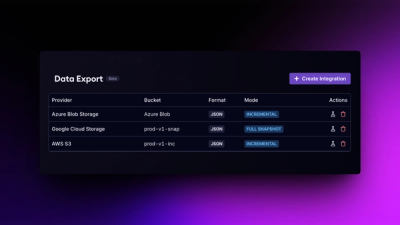
Export Socket alert data to your own cloud storage in JSON, CSV, or Parquet, with flexible snapshot or incremental delivery.
Research
/Security News
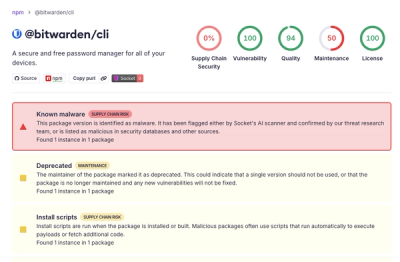
Bitwarden CLI 2026.4.0 was compromised in the Checkmarx supply chain campaign after attackers abused a GitHub Action in Bitwarden’s CI/CD pipeline.