Welcome to next-validations 👋






NextJS API Validations
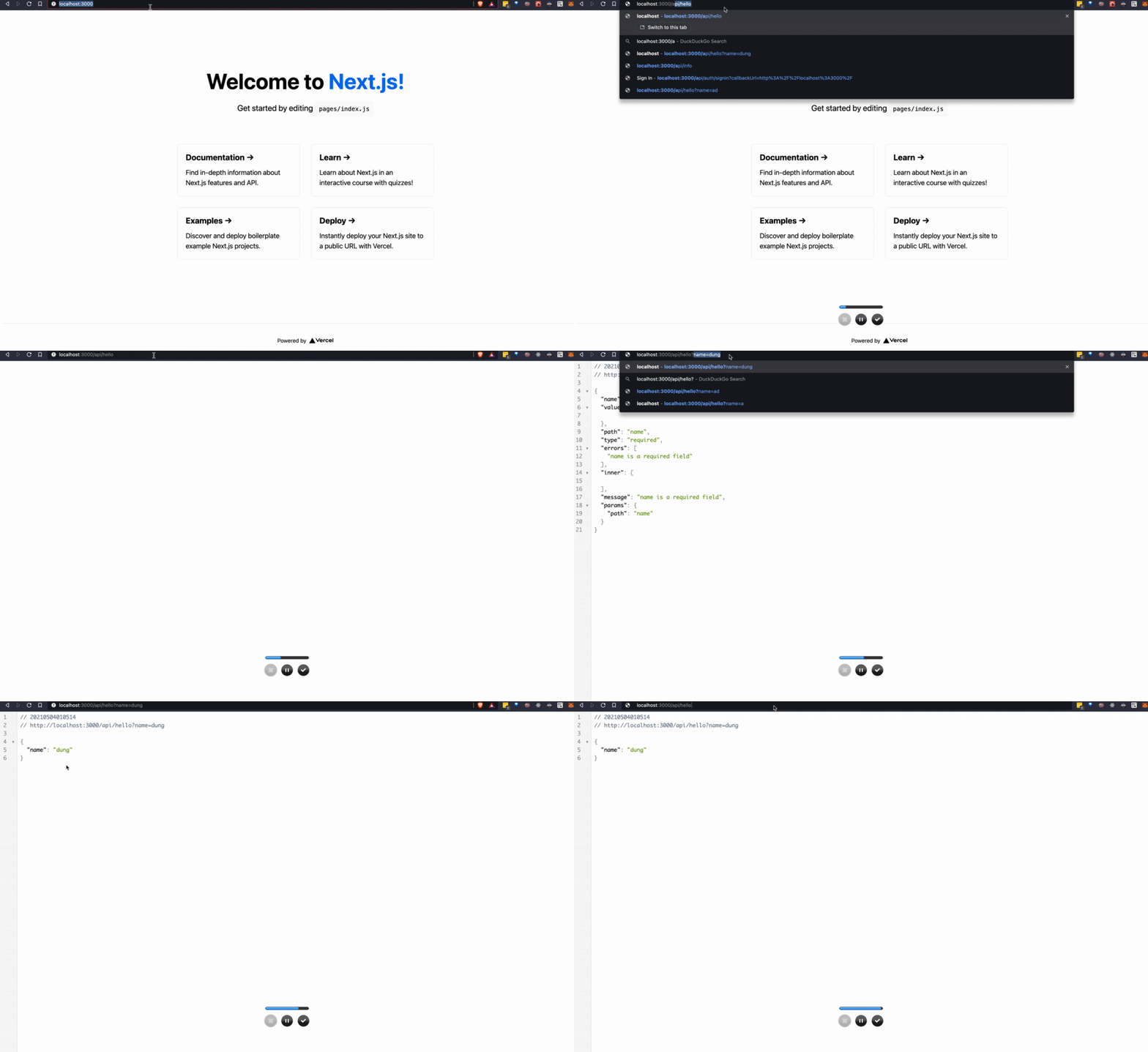
Prerequisites
Install
yarn add next-validations
Features
-
Support for Multiple Validation Libraries: This package is designed to work seamlessly with a variety of popular validation libraries. These include Yup, Fastest-Validator, Joi, Zod, and Valibot. This means you can choose the library that best suits your project's needs.
-
Integration with TypeSchema: next-validations integrates with TypeSchema - Universal adapter for TypeScript schema validation. This allows for even more flexibility and compatibility with additional validation libraries.
Usage
Validation of multiple modes
yarn add yup joi next-validations @typeschema/yup @typeschema/yoi
import Joi from 'joi';
import { NextApiRequest, NextApiResponse } from 'next';
import { createRouter } from 'next-connect';
import { withValidations } from 'next-validations';
import * as yup from 'yup';

const querySchema = yup.object().shape({
  type: yup.string().oneOf(['email', 'sms']).required(),
});

const validateQuery = {
  schema: querySchema,
  mode: 'query',
} as const;

const bodySchema = Joi.object({
  phone: Joi.string().required(),
  email: Joi.string().email().required(),
  name: Joi.string().required(),
});

const validateBody = {
  schema: bodySchema,
  mode: 'body',
} as const;

const validate = withValidations([validateQuery, validateBody]);

const handler = (req: NextApiRequest, res: NextApiResponse) => {
  res.status(200).json({ ...req.body, ...req.query });
};

export default connect().post(validate(), handler);
Validate custom API endpoint with Yup
yarn add yup next-validations @typeschema/yup
import { NextApiRequest, NextApiResponse } from 'next';
import { withValidation } from 'next-validations';
import * as yup from 'yup';

const schema = yup.object().shape({
  name: yup.string().required(),
});

const validate = withValidation({
  schema,
  mode: 'query',
});

const handler = (req: NextApiRequest, res: NextApiResponse) => {
  res.status(200).json(req.query);
};

const router = createRouter();

router.post(validate(), handler);

export default router.handler({
  onError: (err, _req, _event) => {
    return new NextResponse('Something broke!', {
      status: (err as any)?.statusCode ?? 500,
    });
  },
});
Validate custom API endpoint with Zod
yarn add zod next-validations @typeschema/zod
import { NextApiRequest, NextApiResponse } from 'next';
import { withValidation } from 'next-validations';
import { z } from 'zod';

const schema = z.object({
  username: z.string().min(6),
});

const validate = withValidation({
  schema,
  mode: 'body',
});

const handler = (req: NextApiRequest, res: NextApiResponse) => {
  res.status(200).json(req.body);
};

export default validate(handler);
Validate custom API endpoint with Valibot
yarn add valibot next-validations @typeschema/valibot
import { NextApiRequest, NextApiResponse } from 'next';
import { withValidation } from 'next-validations';
import * as valibot from 'valibot';

const schema = valibot.object({
  name: valibot.string([valibot.minLength(4)]),
});

const validate = withValidation({
  schema,
  mode: 'query',
});

const handler = (req: NextApiRequest, res: NextApiResponse) => {
  res.status(200).json(req.query);
};

export default validate(handler);
Validate custom API endpoint with fastest-validator
yarn add fastest-validator next-validations @typeschema/fastest-validator
import { NextApiRequest, NextApiResponse } from 'next';
import { withValidation } from 'next-validations';
const schema = {
name: { type: 'string', min: 3, max: 255 },
email: { type: 'email' },
age: 'number',
};
const validate = withValidation({
schema: schema as any,
mode: 'body',
});
const handler = (req: NextApiRequest, res: NextApiResponse) => {
res.status(200).json(req.body);
};
export default validate(handler);
Validate custom API endpoint with joi
yarn add joi next-connect next-validations @typeschema/joi
import Joi from 'joi';
import { NextApiRequest, NextApiResponse } from 'next';
import { createRouter } from 'next-connect';
import { withValidation } from 'next-validations';

const schema = Joi.object({
  dob: Joi.date().iso(),
  email: Joi.string().email().required(),
  name: Joi.string().required(),
});

const validate = withValidation({
  schema,
  mode: 'body',
});

const handler = (req: NextApiRequest, res: NextApiResponse) => {
  res.status(200).json(req.body);
};

const router = createRouter();

router.post(validate(), handler);

export default router.handler({
  onError: (err, _req, _event) => {
    return new NextResponse('Something broke!', {
      status: (err as any)?.statusCode ?? 500,
    });
  },
});
Run tests
yarn test
Author
👤 Huynh Duc Dung
Show your support
Give a ⭐️ if this project helped you!



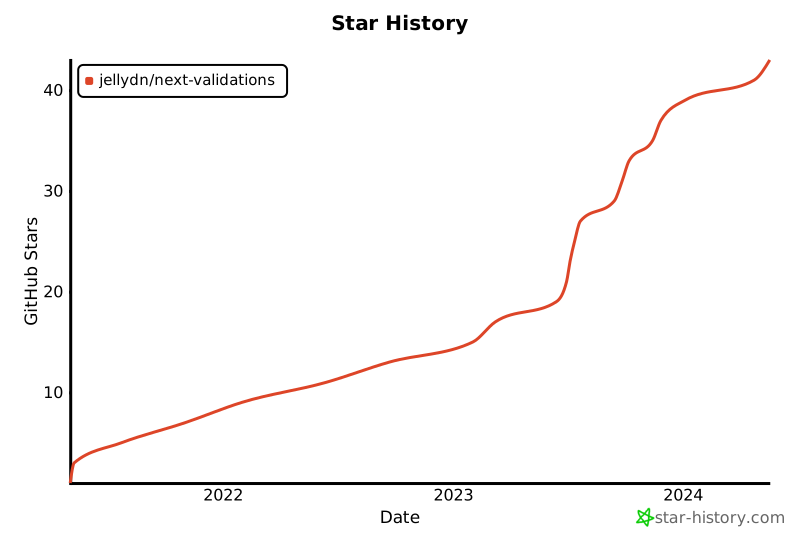
Star History
Contributors ✨
Thanks goes to these wonderful people (emoji key):
This project follows the all-contributors specification. Contributions of any kind welcome!