Security News
curl Shuts Down Bug Bounty Program After Flood of AI Slop Reports
A surge of AI-generated vulnerability reports has pushed open source maintainers to rethink bug bounties and tighten security disclosure processes.
reverse-http
Advanced tools
Create a reverse HTTP connection to an HTTP server that supports Reverse HTTP.
npm install reverse-http --save
var reverseHttp = require('reverse-http')
var opts = {
hostname: 'example.com',
path: '/foo'
}
// Open an HTTP connection to example.com and accept reverse HTTP
// requests back to this machine
reverseHttp(opts, function (req, res) {
console.log('Incoming request:', req.method, req.url)
res.writeHead(201, {
'Content-Type': 'text/plain',
'Content-Length': 11
})
res.end('Hello World')
})
reverseHttp(options[, onRequest])Create a reverse HTTP connection to the HTTP server specificed in
options. Returns an instance of ReverseServer. The ReverseServer
inherits from
http.Server
and as such exposes the same API.
See the
http.request
documentation for details about the options properties. Note that the
HTTP method defaults to POST.
The optional onRequest callback will be attached as a listener to the
request event.
The following headers are added by default to the establishing outgoing HTTP request:
Upgrade: PTTH/1.0
Connection: Upgrade
MIT
FAQs
A reverse HTTP client
The npm package reverse-http receives a total of 296 weekly downloads. As such, reverse-http popularity was classified as not popular.
We found that reverse-http demonstrated a not healthy version release cadence and project activity because the last version was released a year ago. It has 1 open source maintainer collaborating on the project.
Did you know?

Socket for GitHub automatically highlights issues in each pull request and monitors the health of all your open source dependencies. Discover the contents of your packages and block harmful activity before you install or update your dependencies.

Security News
A surge of AI-generated vulnerability reports has pushed open source maintainers to rethink bug bounties and tighten security disclosure processes.

Product
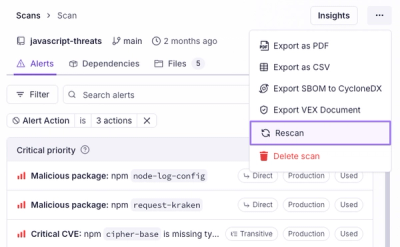
Scan results now load faster and remain consistent over time, with stable URLs and on-demand rescans for fresh security data.

Product
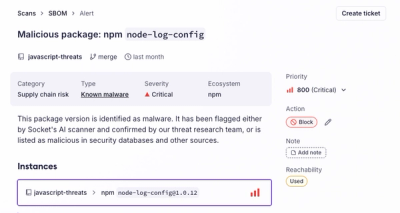
Socket's new Alert Details page is designed to surface more context, with a clearer layout, reachability dependency chains, and structured review.