
Security News
The Code You Didn't Write Is Still Yours to Defend
AI agents are pulling packages into environments no scanner is watching, creating exposure before security teams can see it.
By Brad Arkin - Jun 23, 2026
@cxkit/version-vite-plugin
Advanced tools
Vite plugin for generating version manifest and injecting build metadata.
@cxkit 架构的构建层核心。它是一个高度轻量级的 Vite 插件,专为无感热更新和静态全量检查拦截生成构建时元数据。
在执行 vite build 时,该插件会自动在你的产物目录 dist/ 下生成一份静态配置文件 version.json,其中包含了一串唯一哈希 buildId。同时,它会通过 Vite 的 define 机制向应用程序的构建宏中注入基础预检配置常量,允许你在代码里自由读取 __APP_VERSION__ 等信息。
这是唯一一个需要在 开发依赖 (devDependencies) 中去安装的插件。
npm install -D @cxkit/version-vite-plugin
在 vite.config.ts 中:
import { defineConfig } from 'vite'
import { versionManifest } from '@cxkit/version-vite-plugin'
// 或借助 Node fs / 宏读取你的 package.json

const versionPlugin = versionManifest(process.env.npm_package_version || '1.0.0')

export default defineConfig({
  plugins: [
    // 生成 version.json 文件
    versionPlugin.plugin
  ],
  // 将打包的时间与 ID 宏注入到源码替换
  define: versionPlugin.define
})
执行打包后,会生成如下结果:
{
  "version": "1.0.0",
  "buildTime": "2026-03-26T12:00:00.000Z",
  "buildId": "a7b8c9d0e12345"
}
详细用法请访问 官方开发文档。
FAQs
Vite plugin for generating version manifest and injecting build metadata.
We found that @cxkit/version-vite-plugin demonstrated a healthy version release cadence and project activity because the last version was released less than a year ago. It has 1 open source maintainer collaborating on the project.
Did you know?

Socket for GitHub automatically highlights issues in each pull request and monitors the health of all your open source dependencies. Discover the contents of your packages and block harmful activity before you install or update your dependencies.
Security News
AI agents are pulling packages into environments no scanner is watching, creating exposure before security teams can see it.

Security News
GitHub Actions checkout now blocks risky pull_request_target checkouts by default to help prevent pwn request supply chain attacks.
Product
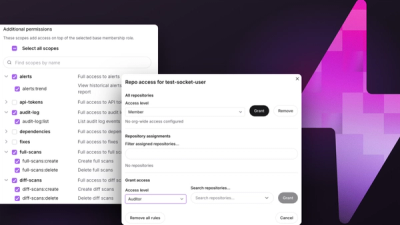
Socket now supports Custom Roles and Repository Access Permissions so organizations can control who can access specific repositories and actions.