@monoes/monobrowse



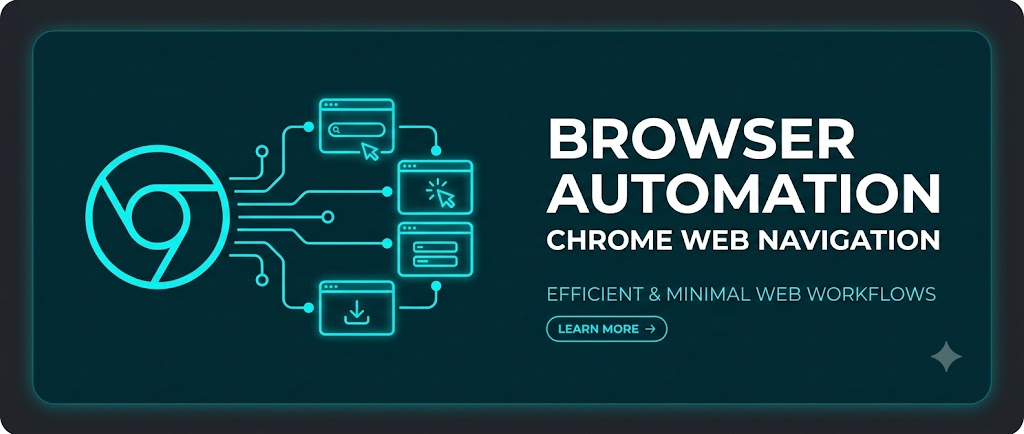
Browser automation via Chrome DevTools Protocol — navigate, click, fill forms, take screenshots, and evaluate JavaScript in a real Chrome browser. No Puppeteer, no Playwright, no external binaries — just CDP over WebSocket.
Part of the Monomind ecosystem. Powers monomind browse.
Install
npm install @monoes/monobrowse
CLI usage
monomind browse open https://example.com
monomind browse screenshot --output page.png
monomind browse click "button.submit"
monomind browse eval "document.title"
Programmatic usage
import { Browser } from '@monoes/monobrowse';

const browser = new Browser();
await browser.connect();

await browser.navigate('https://example.com');
await browser.click('button.login');
await browser.fill('input[name="email"]', 'user@example.com');
await browser.screenshot({ path: 'result.png' });

const title = await browser.evaluate('document.title');
await browser.close();
Features
- Zero dependencies on browser automation frameworks
- Direct CDP WebSocket connection to Chrome/Chromium
- Navigate, click, type, screenshot, evaluate JS
- Session management for multi-page workflows
- Headless and headed modes
Why not Puppeteer/Playwright?
Monobrowse talks CDP directly — no 50+ MB framework download, no binary management, no version pinning against Chrome releases. It does what AI agents need (navigate, interact, screenshot, evaluate) without the weight.
Links
License
MIT