

Security News
US Government Forces Anthropic to Pull Claude Fable Days After Launch
Anthropic says the directive cited national security concerns over a narrow jailbreak, but offered no specific technical details.
By Sarah Gooding - Jun 13, 2026
@odvi/lego-box
Advanced tools
Shell -> pnpm release:patch
Pilet: npm init pilet --source your-app-shell-name pilet upgrade --source your-app-shell-name
if (process.env.NODE_ENV === 'development') { return fetch('http://localhost:1234/$pilet-api').then(res => res.json()); }
npm init pilet --source @odvi/lego-box
npx pilet debug
Debugging with "Remote" Pilets
Sometimes, a developer wants to see how their pilet looks alongside other pilets that are already published to your feed. They can use the --feed flag: Bash
npx pilet debug --feed https://your-feed-url.com/api/v1/pilet/your-shell
npx pilet upgrade --source your-app-shell-name@2.0.0
npx pilet debug pilet-a/src/index.tsx pilet-b/src/index.tsx pilet-c/src/index.tsx
A Piral Shell (Emulator) for building micro-frontends with React.
Piral is a framework for building micro-frontends. This instance (the "shell" or "emulator") provides the foundation for developing and integrating "pilets" (independent micro-frontend modules).
Once published to npm, other developers can use this instance to scaffold their own pilets.
npm install -g piral-cli
# or
pnpm add -g piral-cli
Create a new pilet targeting this published shell using the --source flag:
npm init pilet --source @odvi/lego-box
# or
piral new --source @odvi/lego-box my-pilet
You can also upgrade an existing pilet to use this shell:
pilet upgrade --source @odvi/lego-box
For local development, use the --target flag with the local path:
piral new --target ./path/to/lego-box my-pilet
cd my-pilet
pnpm install
pnpm start
This will:
pnpm install
| Command | Description |
|---|---|
pnpm dev | Start the Piral debug server (standard development) |
pnpm dev:pilets | Start debug server with pilet feed support for local pilets |
pnpm start | Alias for pnpm dev |
pnpm build:emulator
This builds the emulator for distribution. The output is placed in the dist/ directory.
Before publishing, make sure you have:
npm login (or pnpm login)@your-org/lego-box)| Command | Action |
|---|---|
pnpm release:patch | Bump patch version (1.0.0 -> 1.0.1), build, and publish |
pnpm release:minor | Bump minor version (1.0.0 -> 1.1.0), build, and publish |
pnpm release:major | Bump major version (1.0.0 -> 2.0.0), build, and publish |
pnpm publish:emulator | Manually publish the built emulator (requires build first) |
Each release command automatically:
package.jsondist/emulator/--access public (required for scoped packages)pnpm build:emulator
pnpm publish
To test your shell with local pilets before publishing:
Run the pilet's dev server and let it connect to your shell:
cd ../path/to/my-pilet
pnpm start
The pilet will automatically discover and use your local shell running on http://localhost:1234.
pilet new @odvi/lego-box --target my-pilet
pnpm dev:pilets
This uses piral debug --all which discovers pilets from local feeds.
pnpm dev:feed http://localhost:9000/feed.json
To load pilets from a specific external directory, you can use the --base-href option:
pnpm dev --base-href http://localhost:9000
Or via npx directly:
npx piral debug --base-href http://localhost:9000
playground/
├── lego-box/          # ← Your Piral Shell (this repo)
└── pilets/
    ├── pilet-a/       # ← External pilet
    └── pilet-b/       # ← External pilet
From pilet-a:
cd ../pilet-a
pnpm start
The pilet will connect to lego-box running on port 1234.
lego-box/
├── src/
│   ├── index.html       # Entry HTML
│   ├── index.tsx        # Main application entry
│   └── ...              # Your shell components
├── dist/                # Built emulator (generated)
├── package.json
├── tsconfig.json
└── README.md
If publishing to an organization/scope, update package.json:
{
  "name": "@your-org/lego-box",
  "publishConfig": {
    "access": "public"
  }
}
The following files are included when publishing to npm:
dist/ - Built emulatorsrc/ - Source filespackage.jsonREADME.mdMIT
FAQs
A Piral instance (Shell/Emulator) for building micro-frontends
We found that @odvi/lego-box demonstrated a healthy version release cadence and project activity because the last version was released less than a year ago. It has 1 open source maintainer collaborating on the project.
Did you know?

Socket for GitHub automatically highlights issues in each pull request and monitors the health of all your open source dependencies. Discover the contents of your packages and block harmful activity before you install or update your dependencies.
Security News
Anthropic says the directive cited national security concerns over a narrow jailbreak, but offered no specific technical details.

Security News
A network of 152 Chrome live wallpaper extensions hid ad tracking and made extension-driven traffic look like Google search clicks.
Company News
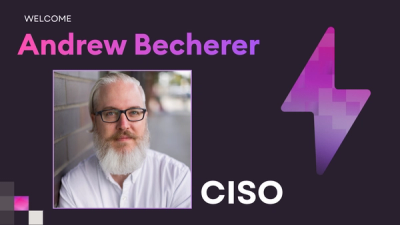
Socket’s first CISO brings deep experience securing high-growth SaaS companies as open source supply chain threats accelerate.