GDPR Privacy Notice Lint
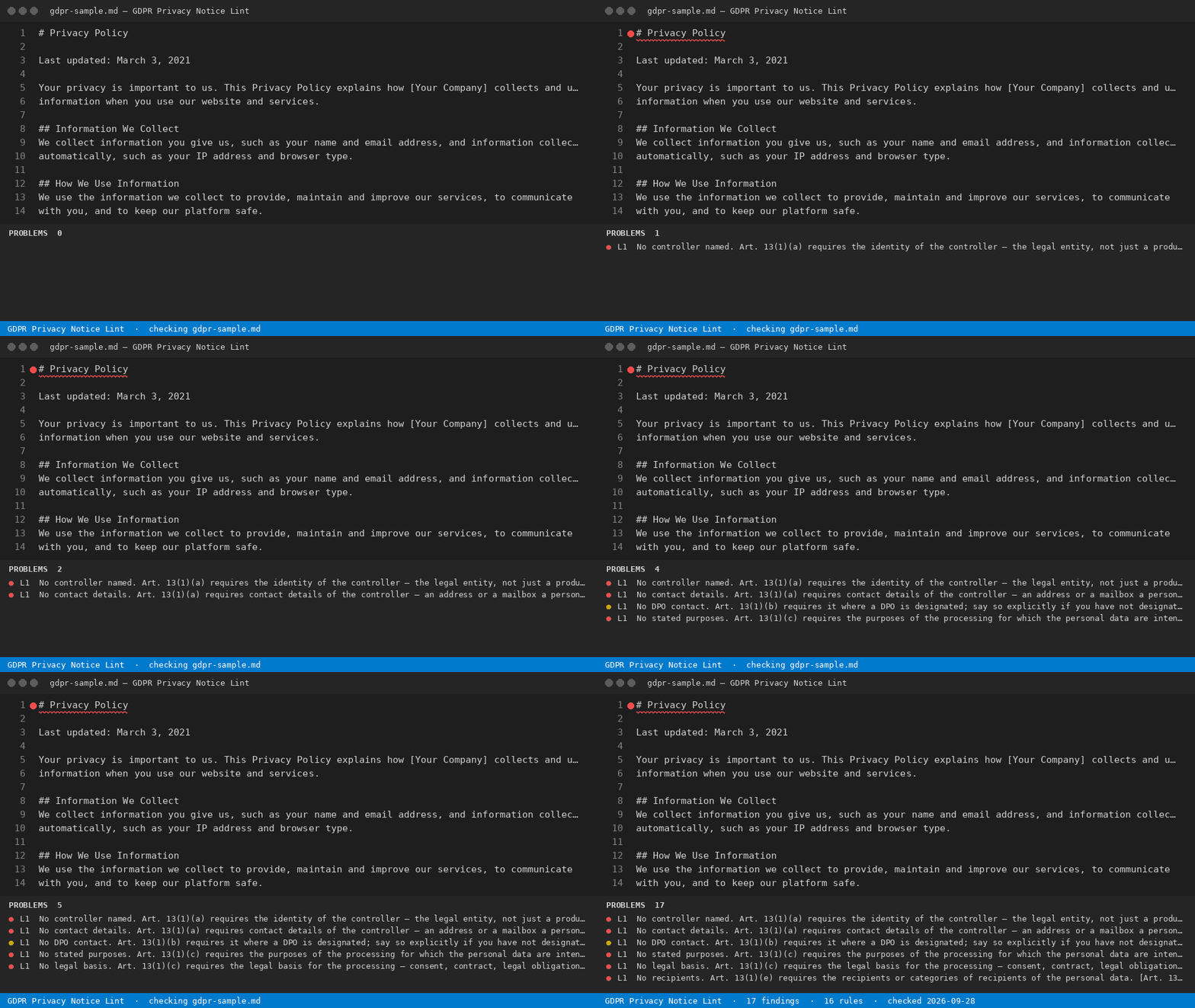
16 rules read your privacy.md the way Articles 13 and 14 read it
Install
npx @readystack/gdpr-privacy-notice-lint file
Node 18+. The same 16 rules as the VS Code extension, from a terminal or CI.
Free
- Checking the privacy notice open in your editor against all 16 Article 13/14 checks — every finding, every line number, no key
--rules lists every rule
With a licence ($29 once)
- Sweeping every notice in the workspace in one pass and writing a dated evidence report you keep
@readystack/gdpr-privacy-notice-lint --dir ./templates --report html --out report.html
A law firm reading one privacy notice against Articles 13 and 14 bills about €250 an hour; this runs in about a second.
Use from an AI agent (MCP)
Claude Code · Cursor · Windsurf · any MCP client - add to your MCP config:
{ "mcpServers": { "gdpr-privacy-notice-lint": { "command": "npx", "args": ["-y", "@readystack/gdpr-privacy-notice-lint", "--mcp"] } } }
Tools: check_text and check_file (free) · check_dir (licence). The agent gets every finding with the line number.
Use in CI
- name: GDPR Privacy Notice Lint
  run: npx -y @readystack/gdpr-privacy-notice-lint --dir . --ci
(container: docker run --rm -v "$PWD:/work" getreadystack/gdpr-privacy-notice-lint --dir /work --ci)
The folder sweep, reports and CI mode need one licence — one payment, no subscription. Set READYSTACK_LICENSE=<key> or run --license <key> once.
Get a licence



