
Security News
The Code You Didn't Write Is Still Yours to Defend
AI agents are pulling packages into environments no scanner is watching, creating exposure before security teams can see it.
By Brad Arkin - Jun 23, 2026
astrojs-cloudflare
Advanced tools
An SSR adapter for use with Cloudflare Pages Functions targets. Write your code in Astro/Javascript and deploy to Cloudflare Pages.
Add the Cloudflare adapter to enable SSR in your Astro project with the following astro add command. This will install the adapter and make the appropriate changes to your astro.config.mjs file in one step.
# Using NPM
npx astro add cloudflare
# Using Yarn
yarn astro add cloudflare
# Using PNPM
pnpm astro add cloudflare
If you prefer to install the adapter manually instead, complete the following two steps:
npm install @astrojs/cloudflare
astro.config.mjs file:import { defineConfig } from 'astro/config';
import cloudflare from '@astrojs/cloudflare';
export default defineConfig({
output: 'server',
adapter: cloudflare()
});
mode: "advanced" | "directory"
default "advanced"
Cloudflare Pages has 2 different modes for deploying functions, advanced mode which picks up the _worker.js in dist, or a directory mode where pages will compile the worker out of a functions folder in the project root.
For most projects the adaptor default of advanced will be sufficiant, when in this mode the dist folder will contain your compiled project. However if you'd like to use pages plugins such as Sentry for example to enable logging, you'll need to use directory mode.
In directory mode the adaptor will compile the client side part of you app the same way, but it will move the worker script into a functions folder in the project root. The adaptor will only ever place a [[path]].js in that folder, allowing you to add additional plugins and pages middleware which can be checked into version control.
// directory mode
export default defineConfig({
  adapter: cloudflare({ mode: "directory" }),
});
In order for preview to work you must install wrangler
$ pnpm install wrangler --save-dev
It's then possible to update the preview script in your package.json to "preview": "wrangler pages dev ./dist".This will allow you run your entire application locally with Wrangler, which supports secrets, environment variables, KV namespaces, Durable Objects and all other supported Cloudflare bindings.
Some integrations such as React rely on web streams. Currently Cloudflare Pages functions are in beta and don't support the streams_enable_constructors feature flag.
In order to work around this:
"web-streams-polyfill" packageimport "web-streams-polyfill/es2018"; to the top of the front matter of every page which requires streams, such as server rendering a React component.As Cloudflare Pages Functions provides environment variables differently, private environment variables needs to be set through vite.define to work in builds.
// astro.config.mjs
export default {
  vite: {
    define: {
      'process.env.MY_SECRET': JSON.stringify(process.env.MY_SECRET),
    },
  },
}
For help, check out the #support channel on Discord. Our friendly Support Squad members are here to help!
You can also check our Astro Integration Documentation for more on integrations.
This package is maintained by Astro's Core team. You're welcome to submit an issue or PR!
FAQs
Deploy your site to cloudflare pages functions
We found that astrojs-cloudflare demonstrated a not healthy version release cadence and project activity because the last version was released a year ago. It has 1 open source maintainer collaborating on the project.
Did you know?

Socket for GitHub automatically highlights issues in each pull request and monitors the health of all your open source dependencies. Discover the contents of your packages and block harmful activity before you install or update your dependencies.
Security News
AI agents are pulling packages into environments no scanner is watching, creating exposure before security teams can see it.

Security News
GitHub Actions checkout now blocks risky pull_request_target checkouts by default to help prevent pwn request supply chain attacks.
Product
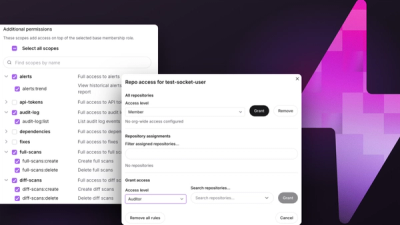
Socket now supports Custom Roles and Repository Access Permissions so organizations can control who can access specific repositories and actions.