

Security News
US Government Forces Anthropic to Pull Claude Fable Days After Launch
Anthropic says the directive cited national security concerns over a narrow jailbreak, but offered no specific technical details.
By Sarah Gooding - Jun 13, 2026
intent-inference
Advanced tools
Reverse-engineers user intent from behavior signals and tells the fleet what to work on

Infers user intent from navigation, murmur, PLATO, and deliberation signals.
While constraint-inference learns constraint boundaries from user overrides, this service learns what the user is trying to do from their behavior patterns.
The intent inference engine observes multiple signal sources and maintains a productive lane — a model of the user's current goals, priorities, and confidence levels.
Navigation → Where are they clicking/visiting?
Murmur → What are they saying in fleet chat?
PLATO → What rooms are they reading/writing?
Deliberation → What decisions are they participating in?
↓
Productive Lane
- primary_goals: [...]
- confidence: 0.87
- evidence: [...]
↓
Fleet Bridge → tell agents what to work on
src/
├── observers/
│   ├── navigation_observer.ts    — Tracks page/room visits
│   ├── murmur_observer.ts        — Monitors fleet chat signals
│   ├── plato_observer.ts         — Tracks PLATO room activity
│   └── deliberation_observer.ts  — Tracks decision participation
├── models/
│   ├── productive_lane.ts        — Goal/confidence/evidence model
│   └── intent_signal.ts          — Signal type + strength
├── inferrer.ts                   — Core inference engine
├── fleet_bridge.ts               — Push goals to fleet agents
├── storage.ts                    — Persist lane state
└── index.ts                      — Main loop (1-minute poll)
The core data structure — a living model of what the user cares about right now:
{
  confidence: 0.87,
  primary_goals: ["ship dodecet-encoder", "fix fleet services"],
  evidence: [
    { signal: "navigation", strength: 0.9, topic: "dodecet-encoder", ts: "..." },
    { signal: "murmur", strength: 0.7, topic: "fleet services down", ts: "..." },
    // ...last 100 signals
  ]
}
When the lane updates, the fleet bridge tells agents what to prioritize. This is how the fleet knows what the human wants without being asked explicitly.
The fleet has 9 agents. Without intent inference, they'd all do what they think is best. With intent inference, they align around what the human actually cares about right now.
This is anticipatory alignment — the fleet starts working on what you need before you ask.
npm install
npm start
Polls every 60 seconds. Merges new signals into the lane. Pushes updates to fleet.
MIT
FAQs
Reverse-engineers user intent from behavior signals and tells the fleet what to work on
We found that intent-inference demonstrated a healthy version release cadence and project activity because the last version was released less than a year ago. It has 1 open source maintainer collaborating on the project.
Did you know?

Socket for GitHub automatically highlights issues in each pull request and monitors the health of all your open source dependencies. Discover the contents of your packages and block harmful activity before you install or update your dependencies.
Security News
Anthropic says the directive cited national security concerns over a narrow jailbreak, but offered no specific technical details.

Security News
A network of 152 Chrome live wallpaper extensions hid ad tracking and made extension-driven traffic look like Google search clicks.
Company News
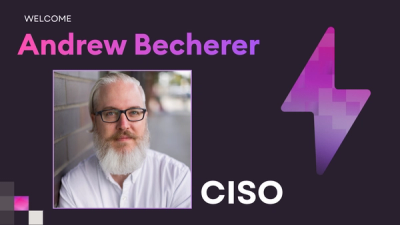
Socket’s first CISO brings deep experience securing high-growth SaaS companies as open source supply chain threats accelerate.