

Security News
US Government Forces Anthropic to Pull Claude Fable Days After Launch
Anthropic says the directive cited national security concerns over a narrow jailbreak, but offered no specific technical details.
By Sarah Gooding - Jun 13, 2026
LockZero SDK — pull secrets into your app at runtime without storing credentials
Pull secrets into your app at runtime without storing credentials.
npm install lockzero
import { LockZero } from "lockzero";

const kr = new LockZero({ apiKey: process.env.LOCKZERO_API_KEY! });

// Inject a whole namespace into process.env
await kr.inject("openai");
// process.env.OPENAI_API_KEY is now set, fresh from LockZero.

// Or fetch a single secret
const stripeKey = await kr.get("stripe.STRIPE_SECRET_KEY");

// Or fetch all in a namespace as an object (no env mutation)
const { OPENAI_API_KEY } = await kr.bundle("openai");
kr.inject() returns the new value. Restart your worker and you're done.new LockZero(options)type LockZeroOptions = {
apiKey?: string; // lz_live_... from your workspace; defaults to LOCKZERO_API_KEY
baseUrl?: string; // default: https://lockzero.io
timeoutMs?: number; // default: 10_000
retries?: number; // GET retry count for 429/5xx/network failures; default: 2
retryDelayMs?: number; // initial retry delay in ms; default: 250
};
| Method | Returns | Description |
|---|---|---|
get(path) | string | Resolve one secret by dotted path, e.g. "openai.OPENAI_API_KEY". |
bundle(ns) | Record<string, string> | All secrets in a namespace as { KEY: "value" }. |
inject(ns) | Record<string, string> | Like bundle but also sets process.env[KEY] = value. |
getMany(paths) | Record<string, string> | Resolve many in parallel; failures are omitted. |
injectMany(namespaces) | Record<string, string> | Bundle and inject many namespaces. |
const cred = await kr.dynamic("postgres/readonly", { ttl: 3600 });

const pool = new Pool({ connectionString: cred.connectionString });
Returns a fresh DB user that expires on its own. The password is shown once — store it in your pool immediately; LockZero doesn't keep it after this call.
import { LockZeroError } from "lockzero";

try {
  await kr.get("openai.OPENAI_API_KEY");
} catch (e) {
  if (e instanceof LockZeroError) {
    console.log(e.status);  // HTTP status
    console.log(e.body);    // raw response body
  }
}
If you're running your own LockZero control plane, point the SDK at it:
const kr = new LockZero({
  apiKey:  process.env.LOCKZERO_API_KEY!,
  baseUrl: "https://lockzero.your-company.com",
});
MIT — see LICENSE.
FAQs
LockZero SDK — pull secrets into your app at runtime without storing credentials
We found that lockzero demonstrated a healthy version release cadence and project activity because the last version was released less than a year ago. It has 1 open source maintainer collaborating on the project.
Did you know?

Socket for GitHub automatically highlights issues in each pull request and monitors the health of all your open source dependencies. Discover the contents of your packages and block harmful activity before you install or update your dependencies.
Security News
Anthropic says the directive cited national security concerns over a narrow jailbreak, but offered no specific technical details.

Security News
A network of 152 Chrome live wallpaper extensions hid ad tracking and made extension-driven traffic look like Google search clicks.
Company News
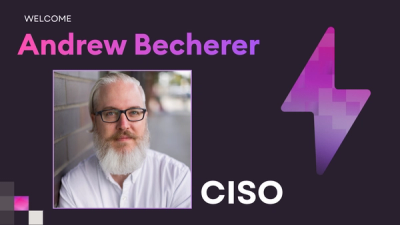
Socket’s first CISO brings deep experience securing high-growth SaaS companies as open source supply chain threats accelerate.