
Company News
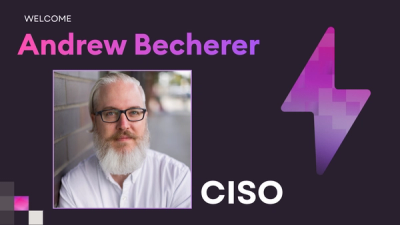
Andrew Becherer Joins Socket as Chief Information Security Officer
Socket’s first CISO brings deep experience securing high-growth SaaS companies as open source supply chain threats accelerate.
By Sarah Gooding - Jun 11, 2026
A lightweight client-side topic infrastructure inspired by MQTT pub-sub interface
A lightweight client-side topic infrastructure inspired by MQTT pub-sub interface to empower frontend event-based interactions. With manuh you can build one-way data flow UI without switch-cases, actions, stores, reducers, etc. In fact, manuh is an alternative to EventEmitter, but with the MQTT protocol steroids.
With or without manuh you should keep in mind the importante of one-way data flow to your applications, specially when they have views with lots of components and starts to have performance issues. Here is an example of a UI with and without manuh.
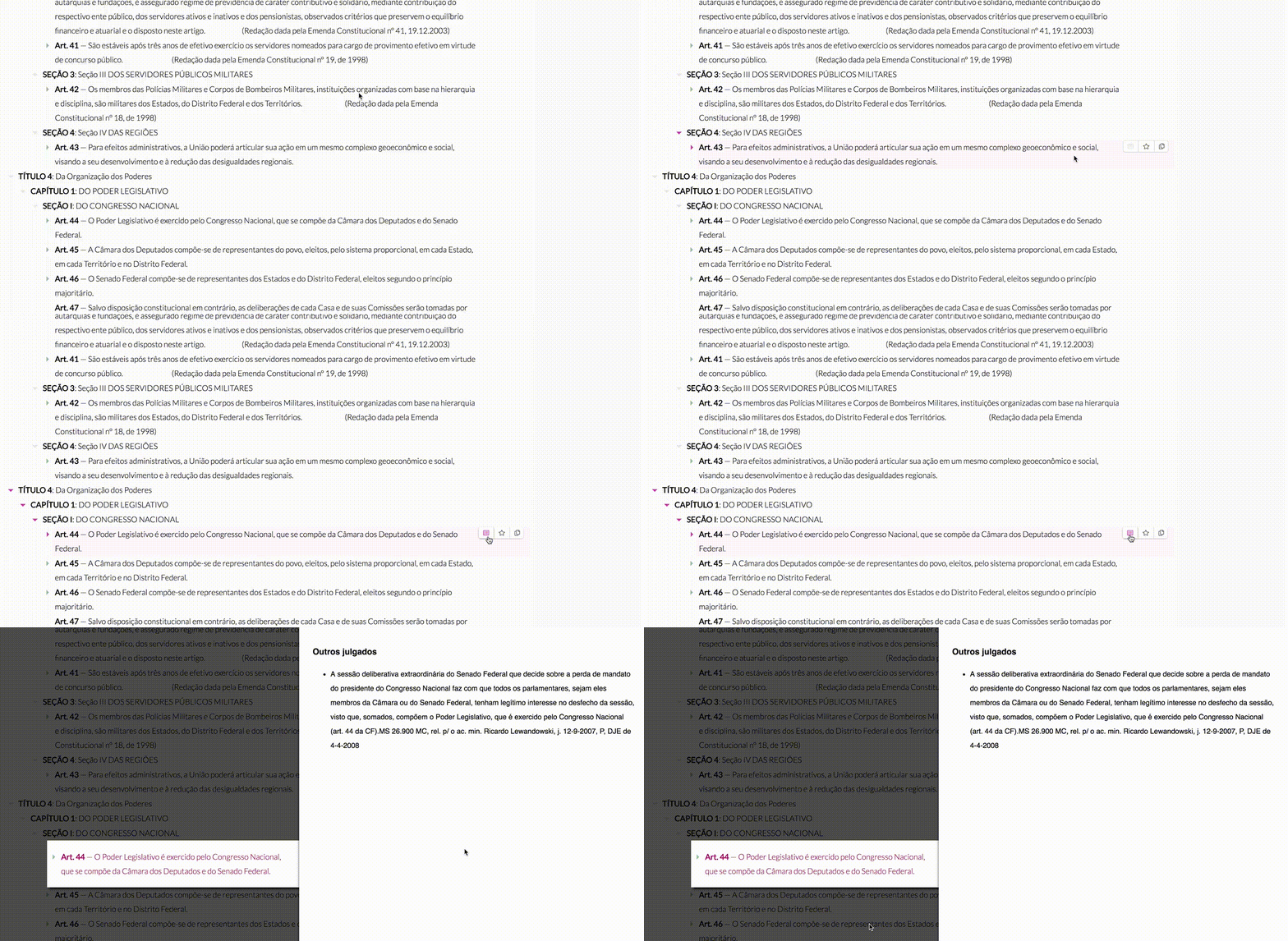
Without manuh (and one way data flow), when the component is clicked, the setState of the overall view is invoked:
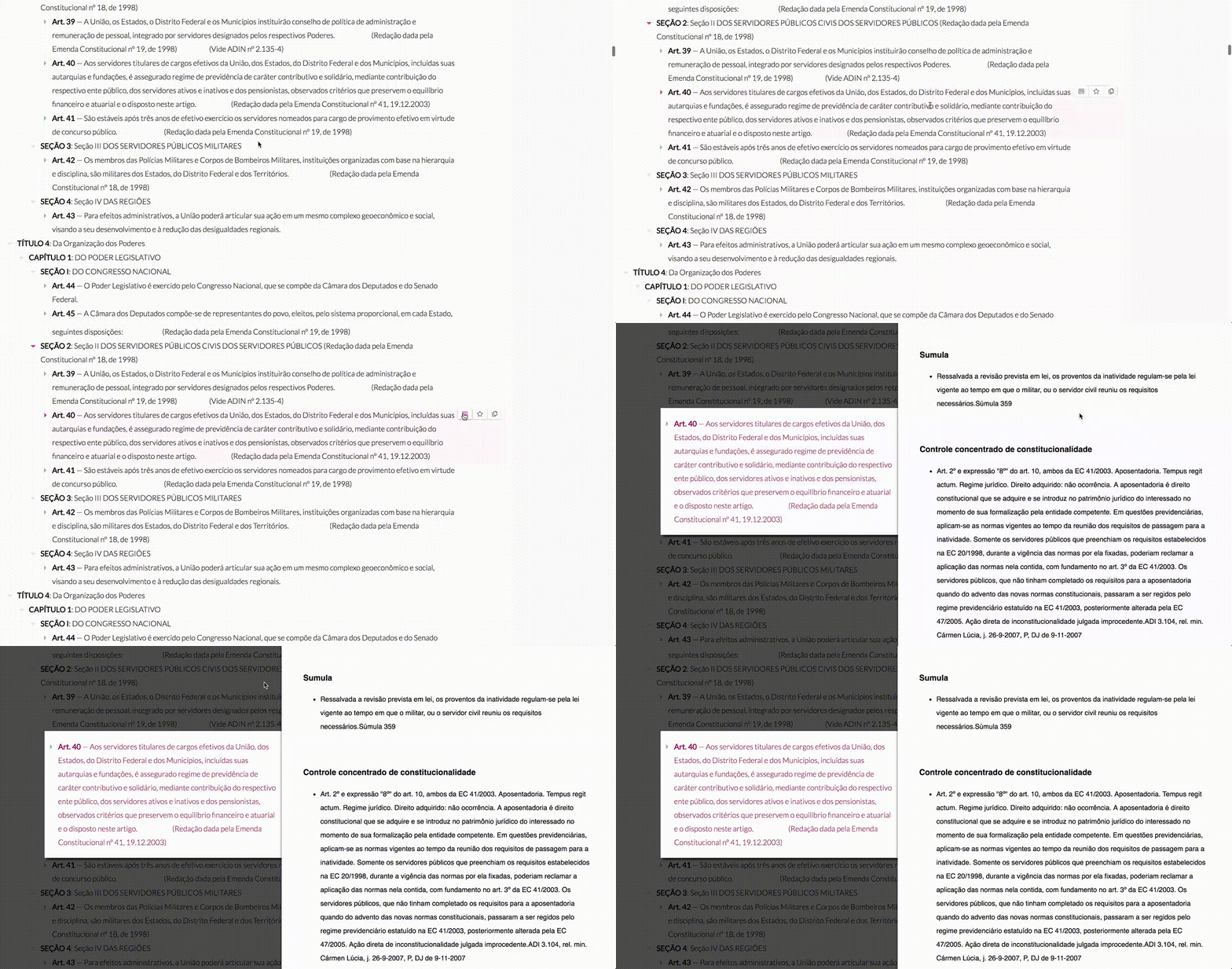
With manuh (and one way data flow), the communication between the clicked component and the opening canvas component is made on a pub/sub fashion, and only the canvas component setState is invoked
1.4.x subscription overrideUntil now if you made a subscription to a topic with the same target (subscription identification) it would no override the previous subscription; instead it silently ignored the new subscription and kept invoking the first callback handler for that topic/target subscription. Now when you provide another topic/target subscription, it overrides the previous subscription callback handler with the new one
1.3.x subscription now returns the retained value and the callback receives an extra info parameterWhen you invoke the subscription method syncronously, it will return the retained value - if there is one.
The callback function of the subscription method now returns the message received and an info parameter that can have some additional info of the message. The first one is an attribute indicating whether the message was a retained message or not.
1.2.x wildcards and async subscription now supported! =)You can now subscribe with # wildcard, just like a good ol' MQTT subscription
The + isn't supported yet, ¯_(ツ)_/¯
Also, if you provide a callback onsubscribed in the last parameter, the subscription will be made asynchronously
1.0.0 interface breakUntil version 1.0.0 the subscribe method didn't had a target parameter, identifying the instance that made the subscription. It was introduced in this version so the subscription can be removed by the subscriber without using any other type of ID generation method or something like this.
There's another approach to solve this problem that is returning an subscription ID when the subscription is made so the subscriber could unsubscribe using this ID. For the sake of simplicity, we decied to use an instance based identification, but this introduced an interface break because now the subscription has 3 parameters instead of 2.
FAQs
A lightweight client-side topic infrastructure inspired by MQTT pub-sub interface
We found that manuh demonstrated a not healthy version release cadence and project activity because the last version was released a year ago. It has 1 open source maintainer collaborating on the project.
Did you know?

Socket for GitHub automatically highlights issues in each pull request and monitors the health of all your open source dependencies. Discover the contents of your packages and block harmful activity before you install or update your dependencies.
Company News
Socket’s first CISO brings deep experience securing high-growth SaaS companies as open source supply chain threats accelerate.
Company News
Replit is integrating Socket Firewall into its AI-powered development experience to help protect builders from malicious open source packages.
Security News
npm confirmed a tooling bug incorrectly marked several one-character packages as security holders and said it was working on a rollback.