Research
/Security News
npm Package Uses Prompt Injection and Token Flooding to Disrupt AI Malware Scanners
A new npm package tests AI malware scanners with prompt injection, safety-triggering comments, context flooding, and obfuscated JavaScript.
@algolia/requester-node-http
Advanced tools
Promise-based request library for node using the native http module.
Axios is a popular promise-based HTTP client for Node.js and the browser. It provides a simple API for making HTTP requests and supports features like interceptors, automatic JSON transformation, and request cancellation. Compared to @algolia/requester-node-http, Axios offers a more comprehensive set of features and is widely used in the JavaScript community.
Node-fetch is a lightweight module that brings the Fetch API to Node.js. It is designed to be a minimalistic and straightforward way to make HTTP requests. While it lacks some of the advanced features of Axios, it is a good alternative for simple use cases. Compared to @algolia/requester-node-http, node-fetch is more general-purpose and not specifically tailored for Algolia's services.
Request is a simplified HTTP client for Node.js, known for its ease of use and flexibility. It supports a wide range of features, including OAuth signing, cookie management, and multipart form data. Although the request package has been deprecated, it remains a popular choice for many developers. Compared to @algolia/requester-node-http, request offers a broader set of features but is no longer actively maintained.
FAQs
Promise-based request library for node using the native http module.
The npm package @algolia/requester-node-http receives a total of 6,037,147 weekly downloads. As such, @algolia/requester-node-http popularity was classified as popular.
We found that @algolia/requester-node-http demonstrated a healthy version release cadence and project activity because the last version was released less than a year ago. It has 4 open source maintainers collaborating on the project.
Did you know?

Socket for GitHub automatically highlights issues in each pull request and monitors the health of all your open source dependencies. Discover the contents of your packages and block harmful activity before you install or update your dependencies.

Research
/Security News
A new npm package tests AI malware scanners with prompt injection, safety-triggering comments, context flooding, and obfuscated JavaScript.

Product
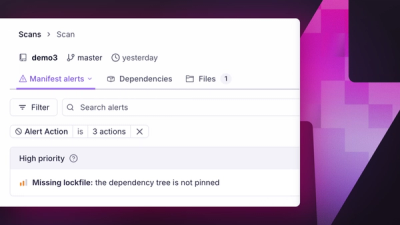
Socket now detects supply chain risks in project manifests, starting with missing lockfiles that can make dependency installs non-reproducible.

Research
/Security News
The trojanized extensions use TinyGo-compiled WebAssembly and Solana transaction memos to resolve command-and-control infrastructure.