
Company News
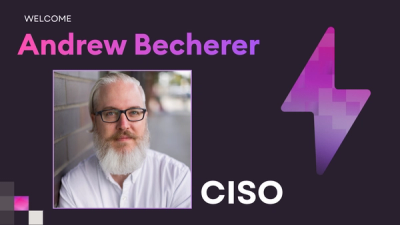
Andrew Becherer Joins Socket as Chief Information Security Officer
Socket’s first CISO brings deep experience securing high-growth SaaS companies as open source supply chain threats accelerate.
By Sarah Gooding - Jun 11, 2026
@chronogrove/ui
Advanced tools
@chronogrove/uiShared Theme UI theme, color-mode (light/dark) helpers, Emotion cache utilities, and small Gatsby-independent components used by gatsby-theme-chronogrove.
In this monorepo the theme uses workspace:*. In another project (after publish):
pnpm add @chronogrove/ui
Use pnpm publish for releases so workspace: dependencies in dependents are rewritten; see pnpm workspaces — publishing.
Shared dependencies with gatsby-theme-chronogrove: both packages depend on Theme UI, Emotion, three (where WebGL backgrounds or artwork import it), and related libraries, with versions driven by the root pnpm catalog. When you bump those catalog entries, update packages/ui, theme, and any other workspace package.json files that reference catalog: for the same keys in the same change so installs stay aligned and you avoid duplicate or mismatched trees.
Prefer deep imports so bundles stay lean:
| Import path | Contents |
|---|---|
@chronogrove/ui | ChronogroveThemeProvider |
@chronogrove/ui/theme | Default Theme UI theme object + named exports |
@chronogrove/ui/provider | ChronogroveThemeProvider |
@chronogrove/ui/color-mode | Storage key, reconcile event, SSR inline builders, chronogroveHeadTheme (RSC-safe), resolveChronogroveSurfaceColors, useDocumentColorModeSurface, browser sync, reconcileThemeUiColorModeOnNavigation |
@chronogrove/ui/animated-page-background | ChronogroveAnimatedPageBackground — same stack as the Gatsby home: fixed z-index: 0, light = solid theme background, dark = three.js Color Bends + scroll-linked gradient overlay and parallax (three is a dependency of this package). Animation timing uses THREE.Timer (not deprecated Clock, three.js r183+). |
@chronogrove/ui/color-bends | ColorBends — lower-level three.js gradient background used inside ChronogroveAnimatedPageBackground. Prefer the full animated-page-background or @chronogrove/ui/next shell unless you need the raw component. |
@chronogrove/ui/next | Next.js App Router helpers: ChronogroveNextRootLayoutHead (RSC <head> injections), ChronogroveNextEmotionRegistry, ChronogroveNextAppShell (theme + three.js background + surface sync + soft-nav reconcile), ChronogroveNextThemeUiColorModeRouteSync (standalone). Requires next (peer, optional for the rest of the package). |
@chronogrove/ui/action-card-layout | actionCardPinnedLayoutSx — layout sx for Card variant="actionCard" (matches GitHub pinned cards). |
@chronogrove/ui/emotion-cache | createChronogroveEmotionCache, getChronogroveEmotionCache |
@chronogrove/ui/button | Theme UI components button |
@chronogrove/ui/color-toggle | Theme UI + @theme-toggles/react Expand |
@chronogrove/ui/color-toggle-styles | CSS for the toggle (Expand.css + sizing); @import once in global CSS (see examples/chronogrove-next/app/globals.css) |
@chronogrove/ui/skip-nav | SkipNavLink, SkipNavContent |
@chronogrove/ui/is-dark-mode | colorMode === 'dark' helper |
@chronogrove/ui/color-utils | hexToRgb, hexToRgba, BUTTON_PRIMARY_COLORS |
@chronogrove/ui/action-button | Outline CTA as <button> or <a> |
@chronogrove/ui/pagination-button | Compact paginator control |
@chronogrove/ui/lazy-load | Defer children until in viewport (react-intersection-observer) |
@chronogrove/ui/header | Masthead shell (variant: styles.Header) |
@chronogrove/ui/page-header | Blog-style h1 heading (p-name) |
@chronogrove/ui/profile-metrics-badge | Metrics row (Badge variant="metrics") for dashboard widget headers |
@chronogrove/ui/widget-header | Widget section title row (optional Font Awesome icon, aside slot, optional metrics) |
@chronogrove/ui/gatsby | Color-mode Gatsby SSR/browser helpers |
Additional subpaths: The table lists the most common entry points. Also published: pagination (full bar; composes pagination-button), category-label, metric-badge, metric-card, muted-card-footer, status-card, widget-section (dashboard <section>; when id is passed, tabIndex={-1} defaults so hosts can focus the landmark after hash / in-page navigation), widget-call-to-action, external-link-icon, thumbnail-strip, image-thumbnails (optimizeSrc for CDN resizing; Gatsby passes a Cloudinary helper). The authoritative list is package.json → exports.
Reference app: examples/chronogrove-next (chronogrove-next). Run pnpm --filter chronogrove-next dev from the repo root.
Prefer @chronogrove/ui/next for the standard wiring: ChronogroveNextRootLayoutHead in <head>, ChronogroveNextEmotionRegistry wrapping the body tree, and ChronogroveNextAppShell (or compose the lower-level exports yourself).
Server vs client
layout: Keep the root layout a Server Component. Do not import @chronogrove/ui/theme here—it loads theme-ui’s merge and triggers React createContext, which Next.js disallows in RSC. Use ChronogroveNextRootLayoutHead from @chronogrove/ui/next, or manually pass chronogroveHeadTheme from @chronogrove/ui/color-mode to resolveChronogroveSurfaceColors and emit in order: <meta name="emotion-insertion-point" content="" />, then the Theme UI no-flash script, HTML background script, and fallback CSS (same composition as buildThemeUiColorModeHeadComponents in @chronogrove/ui/gatsby).ChronogroveNextEmotionRegistry from @chronogrove/ui/next, or wrap the app in Emotion’s CacheProvider with a per-request cache with key: 'css' and Next’s useServerInsertedHTML (Next.js: CSS-in-JS). Do not rely on getChronogroveEmotionCache() for SSR—it is a browser-oriented singleton. Import the full theme from @chronogrove/ui/theme only inside client components. Anything using useColorMode, useThemeUI, or ChronogroveThemeProvider must be 'use client'. Order: CacheProvider (registry) outside ChronogroveThemeProvider inside <body>.RootWrapper): ChronogroveNextAppShell calls useDocumentColorModeSurface from @chronogrove/ui/color-mode once. It syncs document.documentElement’s theme-ui-* class, data-theme-ui-color-mode, and inline page background from the resolved Theme UI theme (rawColors / colors.background). Without it, Emotion can win the cascade over head fallback CSS and panel tokens (bg: 'panel-background') may not update in dark mode after hydration.ChronogroveNextAppShell includes ChronogroveAnimatedPageBackground (three.js Color Bends). Content should sit in a position: relative; z-index: 1 wrapper above the fixed background layer.WidgetHeader + icons: This package depends on @fortawesome/fontawesome-svg-core and @fortawesome/react-fontawesome. Icon definitions (e.g. faGithub) come from a Font Awesome kit you add to your app—typically @fortawesome/free-brands-svg-icons for brands—the same pattern as gatsby-theme-chronogrove widgets.MetricCard loading state: Pass loading or showPlaceholder (equivalent) for the built-in pulse placeholder (or loadingSlot to override).ChronogroveNextAppShell includes ChronogroveNextThemeUiColorModeRouteSync, which calls reconcileThemeUiColorModeOnNavigation after pathname changes (not on initial mount). Running reconcile on mount can fight useColorMode toggles. Gatsby’s equivalent is onRouteUpdateThemeUiColorMode (no initial onRouteUpdate).suppressHydrationWarning on <html> and <body>. The inline no-flash / background scripts run before React hydrates and update <html> (theme-ui-* classes, data-theme-ui-color-mode, background), so the DOM no longer matches the server-rendered markup—React would warn without this flag (similar to next-themes on Next.js App Router).Imports: Prefer @chronogrove/ui/color-mode for head builders and SPA reconcile. Reserve @chronogrove/ui/gatsby for Gatsby hooks (onPreRenderHTML, onRenderBody helpers).
JSX + bundlers: Primitives such as button use Box from @theme-ui/components with an as prop for native elements, so sx works with Gatsby’s classic JSX runtime and Next’s SWC without a Theme UI file pragma. Jest uses babel.config.cjs (automatic JSX).
Styles load in three layers. Understanding the split prevents accidental duplicates and keeps each host's build minimal.
| # | Layer | Mechanism |
|---|---|---|
| 1 | Head — color-mode + Emotion insertion point | Gatsby: theme/gatsby-ssr.js + @chronogrove/ui/gatsby helpers. Next: ChronogroveNextRootLayoutHead from @chronogrove/ui/next. Emit before any <style> tags so Emotion and Theme UI no-flash scripts run first. |
| 2 | Theme UI globals (theme.global) | ChronogroveThemeProvider renders <Global styles={theme.global} /> via Emotion. This applies identical baseline CSS under both Gatsby and Next as long as the provider wraps the app. No extra import needed. |
| 3 | Host global CSS | Each host owns its plain-CSS files. See below for Gatsby and Next specifics. |
The theme's own global CSS entry is the side-effect import block in theme/gatsby-browser.js:
import './src/styles/global.css' // layout, .sr-only, Prism overrides
import 'lightgallery/css/lightgallery.css'
import 'lightgallery/css/lg-thumbnail.css'
import 'lightgallery/css/lg-zoom.css'
import 'prismjs/themes/prism-solarizedlight.css'
import 'prismjs/plugins/line-numbers/prism-line-numbers.css'
theme/src/styles/global.css also contains @import '@chronogrove/ui/color-toggle-styles' for the theme toggle animation.
Prism is tightly coupled to gatsby-remark-prismjs (configured in theme/gatsby-config.js). The CSS theme and helper overrides (.gatsby-highlight, line-number padding, etc.) only make sense when that plugin is active. They are intentionally kept in the Gatsby theme rather than in this package.
Sites that shadow or extend the theme can add additional side-effect imports in their own gatsby-browser.js alongside (not instead of) the theme's entry.
The reference app is examples/chronogrove-next. Its app/globals.css shows the minimal baseline:
/* Required if you use ColorToggle */
@import '@chronogrove/ui/color-toggle-styles';

html {
  scroll-behavior: smooth;
}

body {
  background-color: var(--theme-ui-colors-background);
  -webkit-font-smoothing: antialiased;
}
Import globals.css once from the root layout.jsx/layout.tsx — the same file that renders ChronogroveNextRootLayoutHead and ChronogroveNextEmotionRegistry. See examples/chronogrove-next/app/layout.jsx.
For syntax highlighting in a Next MDX pipeline, use whatever highlighter fits your setup (e.g. Shiki via rehype-pretty-code) and load only its CSS. There is no dependency on prismjs in this package, and you should not add the Prism CSS from the Gatsby theme to a Next app unless your MDX pipeline explicitly emits Prism class names.
The default Chronogrove theme uses system font stacks only (defined in src/theme.js):
sans: '-apple-system, BlinkMacSystemFont, avenir next, ..., sans-serif'
mono: 'Menlo, Consolas, ..., monospace'
No @font-face rules or external font URLs are shipped by this package. Web fonts are host-owned:
next/font to load faces with zero layout shift; then pass the resulting CSS variable or family name into a theme override: { fonts: { body: 'var(--font-inter), sans-serif' } }.gatsby-plugin-google-gtag or a <link> in gatsby-ssr.js, then extend theme.fonts in your gatsby-config.js theme options.Changing theme.fonts is the only hook needed; ChronogroveThemeProvider merges the override automatically via Theme UI.
@chronogrove/ui depends on @fortawesome/fontawesome-svg-core and @fortawesome/react-fontawesome for WidgetHeader. Icon definitions (e.g. faGithub) come from a kit you add to your own app — see the WidgetHeader + icons bullet in the Next.js section above.
Releases are recorded in the repository root CHANGELOG.md.
MIT (same as the parent repository).
FAQs
Chronogrove Theme UI theme, color mode helpers, and shared UI primitives
The npm package @chronogrove/ui receives a total of 49 weekly downloads. As such, @chronogrove/ui popularity was classified as not popular.
We found that @chronogrove/ui demonstrated a healthy version release cadence and project activity because the last version was released less than a year ago. It has 1 open source maintainer collaborating on the project.
Did you know?

Socket for GitHub automatically highlights issues in each pull request and monitors the health of all your open source dependencies. Discover the contents of your packages and block harmful activity before you install or update your dependencies.
Company News
Socket’s first CISO brings deep experience securing high-growth SaaS companies as open source supply chain threats accelerate.
Company News
Replit is integrating Socket Firewall into its AI-powered development experience to help protect builders from malicious open source packages.
Security News
npm confirmed a tooling bug incorrectly marked several one-character packages as security holders and said it was working on a rollback.