Research
/Security News
npm Package Uses Prompt Injection and Token Flooding to Disrupt AI Malware Scanners
A new npm package tests AI malware scanners with prompt injection, safety-triggering comments, context flooding, and obfuscated JavaScript.
@igosprojects/rivet
Advanced tools
Rivet is a small typescript based server platform for NodeJS, it is not a replacement of Express or other libraries but is a small remake.
To use Rivet you first need to install it using your package manager(look at Installing).
To create a basic server you will need to initilize Rivet, and start the server. The following code does just that:
import { IncomingMessage } from 'node:http';
import { Rivet, RivetResponse } from 'rivet';
const app = new Rivet();
// This function is called when the route "/" is called
app.get('/', (req: IncomingMessage, res: RivetResponse) => {
res.send("hi!");
});
app.start(3000);
Rivet supports serving static files and folders, to do so you can use the app.static function after initilizing the server.
For example this code will serve the public directory next to the file:
import { Rivet } from '../src/index';
const app = new Rivet();
app.static("/", "./public");
app.start(3000);
Rivet can read parameters passed on the URL bar, to do that you can use the req.params option for that.
To read the parameters you can do: const { paramname } = req.params;, now paramname is equal to the parameter if it was passed in.
To register routes with parameters you shouldnt register /users but instead /users/:id otherwise it wont work!
FAQs
Rivet is a small server framework for NodeJS
The npm package @igosprojects/rivet receives a total of 41 weekly downloads. As such, @igosprojects/rivet popularity was classified as not popular.
We found that @igosprojects/rivet demonstrated a healthy version release cadence and project activity because the last version was released less than a year ago. It has 1 open source maintainer collaborating on the project.
Did you know?

Socket for GitHub automatically highlights issues in each pull request and monitors the health of all your open source dependencies. Discover the contents of your packages and block harmful activity before you install or update your dependencies.

Research
/Security News
A new npm package tests AI malware scanners with prompt injection, safety-triggering comments, context flooding, and obfuscated JavaScript.

Product
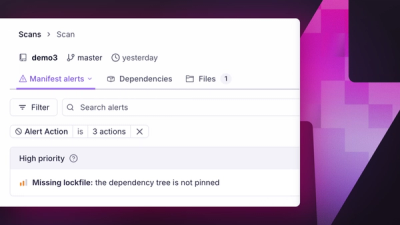
Socket now detects supply chain risks in project manifests, starting with missing lockfiles that can make dependency installs non-reproducible.

Research
/Security News
The trojanized extensions use TinyGo-compiled WebAssembly and Solana transaction memos to resolve command-and-control infrastructure.