Research
Shai-Hulud Descends to Hades: Miasma Worm Campaign Spreads with New PyPI Wave
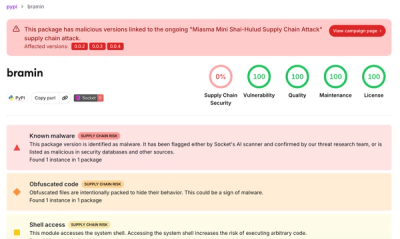
Socket found 37 malicious PyPI wheels that abuse Python startup hooks to launch a Bun-powered credential stealer tied to Mini Shai-Hulud/Miasma.
@pushchain/ui-kit
Advanced tools
Push Chain is a true universal L1 that is 100% EVM compatible. It allows developers to deploy once and make their apps instantly compatible with users from all other L1s (Ethereum, Solana, etc) with zero on-chain code change.
@pushchain/ui-kit provides React components, hooks, and utilities to easily integrate Push Chain wallet functionality into your applications. It includes universal wallet connection, account management, and ready-to-use UI components that work seamlessly across different blockchain ecosystems.
For full documentation, API references, and guides, visit:
👉 Push Chain Developer Docs
Install via npm:
npm install @pushchain/ui-kit
Or with yarn:
yarn add @pushchain/ui-kit
Run nx build ui-kit to build the library.
Run nx test ui-kit to execute the unit tests via Jest.
FAQs
## Overview
The npm package @pushchain/ui-kit receives a total of 792 weekly downloads. As such, @pushchain/ui-kit popularity was classified as not popular.
We found that @pushchain/ui-kit demonstrated a healthy version release cadence and project activity because the last version was released less than a year ago. It has 4 open source maintainers collaborating on the project.
Did you know?

Socket for GitHub automatically highlights issues in each pull request and monitors the health of all your open source dependencies. Discover the contents of your packages and block harmful activity before you install or update your dependencies.

Research
Socket found 37 malicious PyPI wheels that abuse Python startup hooks to launch a Bun-powered credential stealer tied to Mini Shai-Hulud/Miasma.

Security News
RubyGems and Bundler 4.0.13 introduced an opt-in cooldown feature that delays newly published gems during dependency resolution.

Security News
pnpm 11.5 now recognizes npm staged publish approvals in release metadata, preventing those releases from being mistaken for lower-trust package publishes.