

Security News
US Government Forces Anthropic to Pull Claude Fable Days After Launch
Anthropic says the directive cited national security concerns over a narrow jailbreak, but offered no specific technical details.
By Sarah Gooding - Jun 13, 2026
@streampay/sdk-core
Advanced tools
SDK-Core is an application framework for interacting with the StreamPay SC without Solidity knowledge.
More specifically, SDK-Core is a wrapper library which allows web developers to interact with the contracts. Under the hood, SDK-Core leverages TypeScript, ethers.js and The Graph and GraphQL.
SDK-Core is in early active development and can have breaking releases without warning and without consideration for semantic versioning.
networkName or chainId and provider)To get the package up and running you'll need to install the necessary dependencies and build the project:
yarn install && yarn build
Here is a quick look at initializing the SDK in different environments:
TypeScript / JavaScript (Module) vs. JavaScript (CommonJS) - usually a Node.js environment
The primary difference between the two environments is the import/require of the sdk-core package, everything else is the same.
TS/ESModule
import { Framework } from "@streampay/sdk-core";
import { ethers } from "ethers";
CommonJS/Node.js
const { Framework } = require("@streampay/sdk-core");
const { ethers } = require("ethers");
// infura provider initialization
const provider = new ethers.providers.InfuraProvider(
  "matic",
  "<INFURA_API_KEY>"
);
const sf = await Framework.create({
  networkName: "matic",
  provider
});

// web3.js + Hardhat provider initialization
const web3jsProvider = new ethers.providers.Web3Provider(
  (global as any).web3.currentProvider
);
const web3jsSf = await Framework.create({
  networkName: "matic",
  provider: web3jsProvider
});

// injected web3.js initialization (Hardhat)
// most likely to be used on backend for testing
// NOTE: if you're using truffle, you should be able to
// omit the (global as any) as this should be
// exposed already (in JS at least)
const injectedWeb3jsSf = await Framework.create({
  networkName: "custom",
  provider: (global as any).web3,
  dataMode: "WEB3_ONLY",
  resolverAddress: <RESOLVER_ADDRESS>,
  protocolReleaseVersion: "test",
});

// injected hardhat ethers initialization
// most likely to be used on backend for testing
import hardhat from "hardhat";
const injectedHardhatEthersSf = await Framework.create({
  networkName: "custom",
  provider: hardhat.ethers,
  dataMode: "WEB3_ONLY",
  resolverAddress: <RESOLVER_ADDRESS>,
  protocolReleaseVersion: "test",
})

// ethers.js + hardhat provider initialization (in testing environment w/ hardhat-ethers)
import { ethers } from "hardhat";
const [deployer] = await ethers.getSigners();
const ethersProvider = deployer.provider;
const ethersjsSf = await Framework.create({
  networkName: "custom",
  dataMode: "WEB3_ONLY",
  resolverAddress: <RESOLVER_ADDRESS>,
  protocolReleaseVersion: "test",
  provider: ethersProvider
});

// metamask
const mmProvider = new ethers.providers.Web3Provider(window.ethereum);
const mmSf = await Framework.create({
  networkName: "matic",
  provider: mmProvider
});

// web3modal
import Web3Modal from "web3modal";
const web3Modal = new Web3Modal({
  cacheProvider: false,
  providerOptions: {}
});
const web3ModalRawProvider = await web3Modal.connect();
const web3ModalProvider = new ethers.providers.Web3Provider(web3ModalRawProvider);
const web3ModalSf = await Framework.create({
  networkName: "matic",
  provider: web3ModalProvider
});

//bnc-onboard
const onboard = Onboard({
    dappId: "<API_KEY>",
    networkId: 4,
    subscriptions: {
        wallet: wallet => {
            const web3Provider = new ethers.providers.Web3Provider(wallet.provider);
            (async () => {
                const framework = await Framework.create({ networkName: "matic", provider: web3Provider });
            })();
        }
    }
});
// this is triggered by:
await onboard.walletSelect();
Note: You specify your project type in
package.json-"type": "module"or"type": "commonjs".
The absolute minimum you need to provide the constructor is chainId or networkName and a provider object if all you want to do are read operations. It is also important to note that the provider does not need to be an InfuraProvider - it just needs to satisfy the SupportedProvider interface: ethers.providers.Provider | (typeof ethers & HardhatEthersHelpers) | Web3.
The Framework includes a variety of helper classes which can be directly accessed upon initialization, but can also be initialized as standalone classes if desired.
Once you have initialized the Framework class using Framework.create, you can make queries using it easily.
A list of the pre-defined queries:
const { Framework } = require("@streampay/sdk-core");
const { ethers } = require("ethers");

const provider = new ethers.providers.InfuraProvider(
	"matic",
	"<INFURA_API_KEY>"
);
const sf = await Framework.create({
  networkName: "matic",
	provider
});

type Paging = { take: number, skip?: number, lastId?: string };

const pageResult = await sf.query.
  // The different queries can take different order by properties
  // given the properties that exist on the entity itself.
  listAllSuperTokens({ isListed?: boolean },
    paging: Paging,
    ordering: Ordering<Token_OrderBy>
  );

  listIndexes({ indexId?: string, publisher?: string, token?: string },
    paging: Paging,
    ordering: Ordering<Index_OrderBy>
  );

  listIndexSubscriptions({ subscriber?: string, approved?: boolean },
    paging: Paging,
    ordering: Ordering<IndexSubscription_OrderBy>
  );

  listStreams({ sender?: string, receiver?: string, token?: string },
    paging: Paging,
    ordering: Ordering<Stream_OrderBy>
  );

  listUserInteractedSuperTokens({ account?: string, token?: string },
    paging: Paging,
    ordering: Ordering<AccountTokenSnapshot_OrderBy>
  );

  listEvents({ account?: string, timestamp_gt?: number },
    paging: Paging,
    ordering: Ordering<Event_OrderBy>
  );

  // A subscription function which allows you to subscribe to events via polling.
  on(
        callback: (events: AllEvents[], unsubscribe: () => void) => void,
        ms: number,
        account?: string,
        timeout?: number
    )
If you'd like, you can also initialize the Query class as a standalone class like so:
import { Query } from "@streampay/sdk-core";
const query = new Query({
  customSubgraphQueriesEndpoint: "<A_CUSTOM_ENDPOINT>",
  dataMode: "SUBGRAPH_ONLY" | "SUBGRAPH_WEB3" | "WEB3_ONLY"
});
All of the pre-defined query functions will accept pagination options: ({ skip: number, take: number }), if you don't pass anything in, it will use a default of: { skip: 0, take: 100 }. You can also paginate by lastId, this allows you to bypass the limitation of the max skip of 5000 entities.
Note: this example uses the
graphql-requestlibrary, but you just need to provide a valid query which is a string.
You can also pass in an ordering object for the different queries, each query function will accept different ordering properties depending on the properties on the entity. We have different defaults for each so you don't need to actually pass anything in.
const { Framework } = require("@streampay/sdk-core");
const { ethers } = require("ethers");

const provider = new ethers.providers.InfuraProvider(
	"matic",
	"<INFURA_API_KEY>"
);
const sf = await Framework.create({
  networkName: "matic",
	provider
});
const results = await sf.query.listAllSuperTokens(
  { isListed: true },
  { skip: 5, take: 150 },
  {
    orderBy: "createdAtBlockNumber",
    orderDirection: "desc"
  });
In order to execute a transaction on the blockchain, you need to have a signer. That is, you need to have access to an EOA (Externally Owned Account) to trigger any sort of change. You can do this through a contract, but an EOA still has to be the one which triggers the contract to interact with another contract. The signer that is returned will be passed when executing transactions.
Below is an example of using the Web3Provider object to create a signer. This will likely be the way that most client-side applications create a signer.
import { Framework } from "@streampay/sdk-core";
import Web3Modal from "web3modal";
import { Web3Provider } from "@ethersproject/providers";

// web3Modal example
const web3ModalRawProvider = await web3Modal.connect();
const web3ModalProvider = new Web3Provider(web3ModalRawProvider, "any");

const sf = await Framework.create({
  networkName: "matic",
  provider: web3ModalProvider,
});

const web3ModalSigner = sf.createSigner({ web3Provider: web3ModalProvider });

// MetaMask example
const metamaskProvider = new Web3Provider(window.ethereum);
const metaMaskSigner = sf.createSigner({ web3Provider: metamaskProvider });
Below is an example of creating a signer in a Hardhat + ethers.js environment. This will likely be the way that the sdk-core is used in a testing environment.
import { Framework } from "@streampay/sdk-core";
import { ethers } from "hardhat";

const sf = await Framework.create({
  networkName: "matic",
  provider: ethers.provider,
});

const signer = sf.createSigner({
  privateKey: "<TEST_ACCOUNT_PRIVATE_KEY>",
  provider: ethers.provider,
});
Below is an example of creating a signer passing in a signer object (this can be a wallet for example). This will likely be the way that the sdk-core is used in a Node.js environment (back-end) or a testing environment.
import { Framework } from "@streampay/sdk-core";
import { ethers } from "ethers";

const provider = new ethers.providers.InfuraProvider(
  "matic",
  "<INFURA_API_KEY>"
);

const wallet = new ethers.Wallet(
  "cf2bea4c6aad8dbc387d5dd68bf408999b0b1ee949e04ff1d96dd60bc3553a49",
  provider
);

const sf = await Framework.create({
  networkName: "matic",
  provider,
});

const signer = sf.createSigner({ signer: wallet });
The Operation class is an object that is returned after you execute a contract call from this package - instead of immediately executing, we return the Operation class which can be either executed to broadcast the transaction or used to create and execute a BatchCall.
import { Framework } from "@streampay/sdk-core";
import { ethers } from "ethers";

const provider = new ethers.providers.InfuraProvider(
  "matic",
  "<INFURA_API_KEY>"
);

const sf = await Framework.create({
  networkName: "matic",
  provider
});

// create a signer
const signer = sf.createSigner({ privateKey: "<TEST_ACCOUNT_PRIVATE_KEY>", provider });

// load the usdcx SuperToken via the Framework
const usdcx = sf.loadSuperToken("0xCAa7349CEA390F89641fe306D93591f87595dc1F");

// create an approve operation
const approveOperation = usdcx.approve({ receiver: "0xab...", amount: ethers.utils.parseUnits("100").toString() });

// execute the approve operation, passing in a signer
const txn = await approveOperation.exec(signer);

// wait for the transaction to be confirmed
const receipt = await txn.wait();

// or you can create and execute the transaction in a single line
const approveTxn = await usdcx.approve({ receiver: "0xab...", amount: ethers.utils.parseUnits("100").toString() }).exec(signer);
const approveTxnReceipt = await approveTxn.wait();
The ConstantFlowAgreementV1 helper class provides access to create/update/delete flows. You can access this via the Framework class (sf.cfaV1) or initialize this as a standalone class.
import { ConstantFlowAgreementV1 } from "@streampay/sdk-core";

const config = {
  hostAddress: "0x3E14dC1b13c488a8d5D310918780c983bD5982E7",
  cfaV1Address: "0x6EeE6060f715257b970700bc2656De21dEdF074C",
  idaV1Address: "0xB0aABBA4B2783A72C52956CDEF62d438ecA2d7a1"
};

const cfaV1 = new ConstantFlowAgreementV1({ options: config });
// Read functions
await sf.cfaV1.getFlow({
  superToken: string,
  sender: string,
  receiver: string,
  providerOrSigner: ethers.providers.Provider | ethers.Signer
});

await sf.cfaV1.getAccountFlowInfo({
  superToken: string,
  account: string,
  providerOrSigner: ethers.providers.Provider | ethers.Signer
});

await sf.cfaV1.getNetFlow({
  superToken: string,
  account: string,
  providerOrSigner: ethers.providers.Provider | ethers.Signer
});


// Write operations
sf.cfaV1.createFlow({
  sender: string,
  receiver: string,
  superToken: string,
  flowRate: string,
  userData?: string
});

sf.cfaV1.updateFlow({
  sender: string,
  receiver: string,
  superToken: string,
  flowRate: string,
  userData?: string
});

sf.cfaV1.deleteFlow({
  sender: string,
  receiver: string,
  superToken: string,
  userData?: string
});
import { Framework } from "@streampay/sdk-core";
import { ethers } from "ethers";

const provider = new ethers.providers.InfuraProvider(
  "matic",
  "<INFURA_API_KEY>"
);

const sf = await Framework.create({
  networkName: "matic",
  provider
});

// Read example
const flowInfo = await sf.cfaV1.getFlow({
  superToken: "0x...",
  sender: "0x...",
  receiver: "0x...",
  providerOrSigner: provider
});
console.log("flowInfo", flowInfo);

// Write operation example
const signer = sf.createSigner({ privateKey: "<TEST_ACCOUNT_PRIVATE_KEY>", provider });
const createFlowOperation = sf.cfaV1.createFlow({
  sender: "0x...",
  receiver: "0x...",
  superToken: "0x...",
  flowRate: "1000000000"
});
const txnResponse = await createFlowOperation.exec(signer);
const txnReceipt = await txnResponse.wait();
// Transaction Complete when code reaches here
The InstantDistributionAgreementV1 helper class provides access to a variety of IDA functions. You can access this via the Framework class (sf.idaV1) or initialize this as a standalone class.
import { InstantDistributionAgreementV1 } from "@streampay/sdk-core";

const config = {
  hostAddress: "0x3E14dC1b13c488a8d5D310918780c983bD5982E7",
  cfaV1Address: "0x6EeE6060f715257b970700bc2656De21dEdF074C",
  idaV1Address: "0xB0aABBA4B2783A72C52956CDEF62d438ecA2d7a1"
};

const idaV1 = new InstantDistributionAgreementV1({ options: config });
// Read functions
await sf.idaV1.getSubscription({
  superToken: string,
  publisher: string,
  indexId: string,
  subscriber: string,
  providerOrSigner: string
});

await sf.idaV1.getIndex({
  superToken: string,
  publisher: string,
  indexId: string,
  providerOrSigner: string
});


// Write operations
sf.idaV1.createIndex({
  indexId: string,
  superToken: string,
  userData?: string
});

sf.idaV1.distribute({
  indexId: string,
  superToken: string,
  amount: string,
  userData?: string
});

sf.idaV1.updateIndexValue({
  indexId: string,
  superToken: string,
  indexValue: string,
  userData?: string
});

sf.idaV1.updateSubscriptionUnits({
  indexId: string,
  superToken: string,
  subscriber: string,
  units: string,
  userData?: string
});

sf.idaV1.approveSubscription({
  indexId: string,
  superToken: string,
  publisher: string,
  userData?: string
});

sf.idaV1.revokeSubscription({
  indexId: string,
  superToken: string,
  publisher: string,
  userData?: string
});

sf.idaV1.deleteSubscription({
  indexId: string,
  superToken: string,
  subscriber: string,
  publisher: string,
  userData?: string
});

sf.idaV1.claim({
  indexId: string,
  superToken: string,
  subscriber: string,
  publisher: string,
  userData?: string
});
import { Framework } from "@streampay/sdk-core";
import { ethers } from "ethers";

const provider = new ethers.providers.InfuraProvider(
  "matic",
  "<INFURA_API_KEY>"
);

const sf = await Framework.create({
  networkName: "matic",
  provider
});

// Read example
const subscription = await sf.idaV1.getSubscription({ superToken: "0x...", publisher: "0x...", indexId: "1", subscriber: "0x...", providerOrSigner: provider });
console.log(subscription);


// Write operation example
const signer = sf.createSigner({ privateKey: "<TEST_ACCOUNT_PRIVATE_KEY>", provider });
const createIndexOperation = sf.idaV1.createIndex({ indexId: "0", userData: "0x" });
const txnResponse = await createIndexOperation.exec(signer);
const txnReceipt = await txnResponse.wait();
// Transaction Complete when code reaches here
The SuperToken class can also be accessed via the Framework class and allows you read from/write to the blockchain. It also provides write functions for both the CFAV1 and IDAV1 contracts in the context of the token. That is, the token field for these different methods will be the token address specified during the creation of this class.
import { Framework } from "@streampay/sdk-core";
import { ethers } from "ethers";

const provider = new ethers.providers.InfuraProvider(
  "matic",
  "<INFURA_API_KEY>"
);

const sf = await Framework.create({
  networkName: "matic",
  provider
});

const usdcx = sf.loadSuperToken("0xCAa7349CEA390F89641fe306D93591f87595dc1F");
import { SuperToken } from "@streampay/sdk-core";
import { ethers } from "ethers";

const provider = new ethers.providers.InfuraProvider(
  "matic",
  "<INFURA_API_KEY>"
);

const config = {
  hostAddress: "0x3E14dC1b13c488a8d5D310918780c983bD5982E7",
  cfaV1Address: "0x6EeE6060f715257b970700bc2656De21dEdF074C",
  idaV1Address: "0xB0aABBA4B2783A72C52956CDEF62d438ecA2d7a1"
};

const usdcx = await SuperToken.create({
  address: "0xCAa7349CEA390F89641fe306D93591f87595dc1F",
  config,
  networkName: "matic", // you can also pass in chainId instead (e.g. chainId: 137)
  provider
});
const usdcx = sf.loadSuperToken("0xCAa7349CEA390F89641fe306D93591f87595dc1F");

// ERC20 `Token`
// Read functions
await usdcx.balanceOf({
  account: string,
  providerOrSigner: ethers.providers.Provider | ethers.Signer
});

await usdcx.allowance({
  owner: string,
  spender: string,
  providerOrSigner: ethers.providers.Provider | ethers.Signer
});

await usdcx.name({
  providerOrSigner: ethers.providers.Provider | ethers.Signer
});

await usdcx.symbol({
  providerOrSigner: ethers.providers.Provider | ethers.Signer
});

await usdcx.totalSupply({
  providerOrSigner: ethers.providers.Provider | ethers.Signer
});


// Write operations
usdcx.approve({
  recipient: string,
  amount: string
});

usdcx.transfer({
  recipient: string,
  amount: string
});

usdcx.transferFrom({
  sender: string,
  recipient: string,
  amount: string
});

// `SuperToken` only function
await usdcx.realtimeBalanceOf({
  account: string,
  timestamp: string,
  providerOrSigner: ethers.providers.Provider | ethers.Signer
});

// Write Functions

// All write functions return Promise<Operation>

// SuperToken Write operations
usdcx.downgrade({ amount: string });

usdcx.upgrade({ amount: string });

// SuperToken CFAV1/IDAV1 Functions are the same as the
// ConstantFlowAgreementV1/InstantDistributionAgreementV1 class functions
// except instead of the sf.cfaV1/idaV1.function() signature, it is token.function()
// e.g. await usdcx.createIndex({ indexId: "0", userData: "0x" }).exec(signer);
// and you don't need to pass in a token as a parameter as it uses the token address
// of the instantiated class.
import { Framework } from "@streampay/sdk-core";
import { ethers } from "ethers";

const provider = new ethers.providers.InfuraProvider(
  "matic",
  "<INFURA_API_KEY>"
);

const sf = await Framework.create({
  networkName: "matic",
  provider
});

const usdcx = sf.loadSuperToken("0xCAa7349CEA390F89641fe306D93591f87595dc1F");

// Read example
const name = await usdcx.name();
console.log(name);

// Write operation example
const signer = sf.createSigner({ privateKey: "<TEST_ACCOUNT_PRIVATE_KEY>", provider });
const transferOperation = usdcx.transfer({ receiver: "0x...", amount: "1000000" });
const txnResponse = await transferOperation.exec(signer);
const txnReceipt = await txnResponse.wait();
// Transaction Complete when code reaches here
Note: you can also get the underlying Token object which only has ERC20 token read/write methods-this is useful for things like approving token spend to a SuperToken contract prior to upgrading for example.
const usdc = usdcx.underlyingToken;
const totalSupply = await usdc.totalSupply();
The BatchCall class allows the user to batch multiple supported operations/transactions in one operation. Similar to the other helper classes, we can create this either through the Framework or directly initialize this.
Not all operations are supported by the batch call feature, below is a list of the supported operations:
ERC20_APPROVE (SuperToken only)ERC20_TRANSFER_FROMSUPERTOKEN_UPGRADESUPERTOKEN_DOWNGRADESUPERFLUID_CALL_AGREEMENTCALL_APP_ACTIONMost of the token methods are self explanatory, but some additional context for the last two operations is helpful.
SUPERFLUID_CALL_AGREEMENT refers to all operations related to the CFA or IDA (createFlow, updateIndex, distribute, etc.).
CALL_APP_ACTION refers to an operation which is created from calling a function that exists on a super app you have created. Refer to Usage below to see how you can create a CALL_APP_ACTION operation.
import { Framework } from "@streampay/sdk-core";
import { ethers } from "ethers";

const provider = new ethers.providers.InfuraProvider(
  "matic",
  "<INFURA_API_KEY>"
);

const sf = await Framework.create({
  networkName: "matic",
  provider
});

const signer = sf.createSigner({ privateKey: "<TEST_ACCOUNT_PRIVATE_KEY>", provider });
const batchCall = sf.batchCall([<OPERATION_A>, <OPERATION_B>, ...]);
import { SuperToken } from "@streampay/sdk-core";

const batchCall = new BatchCall({
  hostAddress: "0x3E14dC1b13c488a8d5D310918780c983bD5982E7",
  operations: [<OPERATION_A>, <OPERATION_B>, ...],
});
import { Framework } from "@streampay/sdk-core";
import { ethers } from "ethers";

const provider = new ethers.providers.InfuraProvider(
  "matic",
  "<INFURA_API_KEY>"
);

const sf = await Framework.create({
  networkName: "matic",
  provider
});

 // 0xabc is the signer on Rinkeby testnet
const signer = sf.createSigner({ privateKey: "<TEST_ACCOUNT_PRIVATE_KEY>", provider });
const daix = await sf.loadSuperToken("0x745861AeD1EEe363b4AaA5F1994Be40b1e05Ff90");
const fromAddress = "0xabc";
const paymentAddress = "0xdef";
const approveOp = daix.approve({ receiver: paymentAddress, amount: "10000" });
const transferFromOp = daix.transferFrom({
  sender: fromAddress,
  receiver: paymentAddress,
  amount: "10000",
});
const batchCall = sf.batchCall([approveOp, transferFromOp]);
const txn = await batchCall.exec(signer);

// creating an operation from a super app function
// initialize your super app contract
const superApp = new ethers.Contract("0x...", <SUPER_APP_ABI>);

// populate the transaction
const superAppTransactionPromise = superApp.populateTransaction.helloWorld("hello world");

// create the super app operation you can execute this operation directly or pass it in to a batch call
const superAppOperation = new Operation(superAppTransactionPromise, "CALL_APP_ACTION");
FAQs
SDK Core
The npm package @streampay/sdk-core receives a total of 9 weekly downloads. As such, @streampay/sdk-core popularity was classified as not popular.
We found that @streampay/sdk-core demonstrated a not healthy version release cadence and project activity because the last version was released a year ago. It has 3 open source maintainers collaborating on the project.
Did you know?

Socket for GitHub automatically highlights issues in each pull request and monitors the health of all your open source dependencies. Discover the contents of your packages and block harmful activity before you install or update your dependencies.
Security News
Anthropic says the directive cited national security concerns over a narrow jailbreak, but offered no specific technical details.

Security News
A network of 152 Chrome live wallpaper extensions hid ad tracking and made extension-driven traffic look like Google search clicks.
Company News
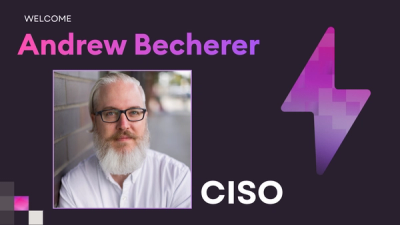
Socket’s first CISO brings deep experience securing high-growth SaaS companies as open source supply chain threats accelerate.