
Product
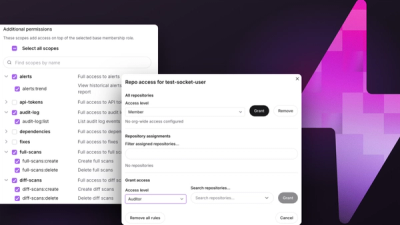
Introducing Repository Access Permissions and Custom Roles
Socket now supports Custom Roles and Repository Access Permissions so organizations can control who can access specific repositories and actions.
By Joe Werle - Jun 19, 2026
This is an open-source widget allowing bloggers to insert comment section to their blogs hosted on GitLab Pages. The comments use GitLab issues underneath.
A lightweight, open-source comment widget that adds GitLab-backed discussions to any website. No backend or database required.
1. Create a GitLab OAuth app — Go to GitLab > Settings > Applications. Set the redirect URI to your site URL, enable api and read_user scopes, and ensure "Confidential" is unchecked. Copy the Application ID.
2. Add the script and container to your page:
<script
  id="beblob-script"
  src="https://unpkg.com/beblob@1.6.0/dist/beblob.js"
  data-client-id="YOUR_GITLAB_APPLICATION_ID"
  data-redirect-uri="https://your-site.com/"
  data-project-name="your-gitlab-project"
  data-issue-mapping-strategy="pageTitle"
  data-dev-mode="false"
  data-beblob-version="1.6.0"
  data-theme="light"
></script>

<div id="beblob_thread"></div>
3. Done! Visitors can authenticate with GitLab and leave comments stored as GitLab issues.
BeBlob uses GitLab OAuth (Authorization Code flow) to authenticate users. Comments are stored as notes on GitLab issues, with each page mapped to an issue. This means you get GitLab's built-in moderation, notifications, and markdown support for free.
| Option | Required | Description |
|---|---|---|
clientId | Yes | GitLab OAuth Application ID |
redirectUri | Yes | Your site URL (must match GitLab app setting) |
projectName | Yes | GitLab project name for storing issues |
issueMappingStrategy | Yes | How pages map to issues: url, pageTitle, or issueId |
issueId | Only with issueId strategy | Specific issue ID to use |
devMode | No | "true" loads assets locally; "false" (default) uses CDN |
beblobVersion | No | Version for CDN URLs (e.g., "1.6.0") |
theme | No | Built-in theme: dark, white, light (default), classic |
gitlabUrl | No | GitLab instance URL (default: https://gitlab.com). Use for self-managed GitLab. |
Set via data-theme attribute: dark, white, light, classic. These are designed to match Hexo Cactus theme color schemes.
BeBlob uses CSS custom properties, so you can create your own theme by overriding variables:
.beblob-widget {
  --beblob-bg: #1a1a2e;
  --beblob-text: #e0e0e0;
  --beblob-accent: #e94560;
  --beblob-border: #e94560;
  --beblob-link: #ff6b81;
  --beblob-comment-bg: #16213e;
  --beblob-comment-border: #e94560;
  --beblob-button-bg: #16213e;
  --beblob-button-text: #e0e0e0;
  --beblob-button-border: #e94560;
  --beblob-button-hover-bg: #e94560;
  --beblob-tab-active-bg: #e94560;
  --beblob-tab-active-text: #fff;
  --beblob-editor-bg: #16213e;
  --beblob-editor-border: #e94560;
  --beblob-editor-text: #e0e0e0;
}
Available CSS variables:
| Variable | Purpose |
|---|---|
--beblob-bg | Widget background |
--beblob-text | Primary text color |
--beblob-accent | Accent/highlight color |
--beblob-border | Default border color |
--beblob-link | Link color |
--beblob-comment-bg | Comment card background |
--beblob-comment-border | Comment card border |
--beblob-button-bg | Button background |
--beblob-button-text | Button text |
--beblob-button-border | Button border |
--beblob-button-hover-bg | Button hover background |
--beblob-tab-active-bg | Active tab background |
--beblob-tab-active-text | Active tab text |
--beblob-reaction-bg | Reaction button background |
--beblob-popup-bg | Reaction popup background |
--beblob-editor-bg | Markdown editor background |
--beblob-editor-border | Editor border |
--beblob-editor-text | Editor text |
--beblob-font-family | Font stack |
--beblob-radius | Border radius |
BeBlob is mobile-friendly out of the box:
Ensure your page includes the viewport meta tag:
<meta name="viewport" content="width=device-width, initial-scale=1">
Add to your _config.yml:
beblob:
  enabled: true
  client_id: "<your-gitlab-application-id>"
  redirect_uri: "https://yourwebsite.com"
  project_name: "<your-gitlab-project-name>"
  issue_mapping_strategy: "pageTitle"
  version: "1.6.0"
  theme: "light"
Example comments.ejs:
<% if (page.comments && config.beblob.enabled) { %>
  <div class="blog-post-comments">
    <div id="beblob_thread">
      <noscript>Please enable JavaScript to view comments.</noscript>
    </div>
    <% if (config.beblob.dev_mode) { %>
      <script id="beblob-script" src="/js/beblob.js"
              data-client-id="<%= config.beblob.client_id %>"
              data-redirect-uri="<%= config.beblob.redirect_uri %>"
              data-project-name="<%= config.beblob.project_name %>"
              data-issue-mapping-strategy="<%= config.beblob.issue_mapping_strategy %>"
              data-dev-mode="true"
              data-beblob-version="<%= config.beblob.version %>"
              data-theme="<%= config.beblob.theme %>"
              defer>
      </script>
    <% } else { %>
      <script id="beblob-script" src="https://unpkg.com/beblob@<%= config.beblob.version %>/dist/beblob.js"
              data-client-id="<%= config.beblob.client_id %>"
              data-redirect-uri="<%= config.beblob.redirect_uri %>"
              data-project-name="<%= config.beblob.project_name %>"
              data-issue-mapping-strategy="<%= config.beblob.issue_mapping_strategy %>"
              data-dev-mode="false"
              data-beblob-version="<%= config.beblob.version %>"
              data-theme="<%= config.beblob.theme %>"
              defer>
      </script>
    <% } %>
  </div>
<% } %>
For a working example, see antonbelev.gitlab.io.
BeBlob was inspired by giscus and utterances — similar tools for GitHub. This project brings the same experience to GitLab.
Found a bug or have a feature request? Open an issue.
MIT — see LICENSE for details.
FAQs
This is an open-source widget allowing bloggers to insert comment section to their blogs hosted on GitLab Pages. The comments use GitLab issues underneath.
The npm package beblob receives a total of 36 weekly downloads. As such, beblob popularity was classified as not popular.
We found that beblob demonstrated a healthy version release cadence and project activity because the last version was released less than a year ago. It has 2 open source maintainers collaborating on the project.
Did you know?

Socket for GitHub automatically highlights issues in each pull request and monitors the health of all your open source dependencies. Discover the contents of your packages and block harmful activity before you install or update your dependencies.
Product
Socket now supports Custom Roles and Repository Access Permissions so organizations can control who can access specific repositories and actions.
Product
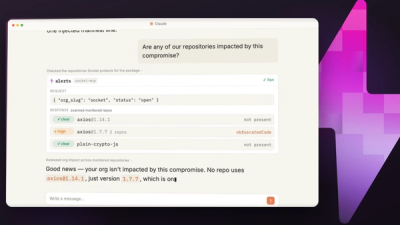
Socket MCP now lets AI assistants review org alerts, investigate threats using the Socket threat feed, and inspect package files in addition to dependency scoring.
Product
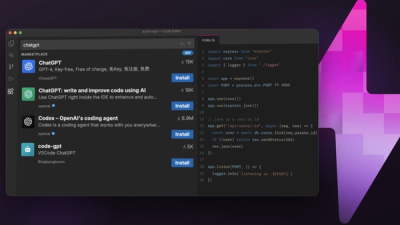
Socket Firewall blocks malicious VS Code and Open VSX extensions before install, protecting developers from compromised editor marketplaces.