
Company News
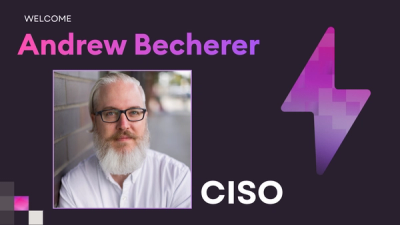
Andrew Becherer Joins Socket as Chief Information Security Officer
Socket’s first CISO brings deep experience securing high-growth SaaS companies as open source supply chain threats accelerate.
By Sarah Gooding - Jun 11, 2026
Lightcraft is a tool for deploying frontend apps to cloud.
npm install lightcraft
To deploy with Lightcraft, you don't need to set up any infrastructure, all you need is an account at some cloud storage service. Currently it supports only Google Cloud Storage, but adding more providers is not hard.
Lightcraft supports rolling releases, so you always can switch back to the previous release if something goes wrong.
To ensure that files that have not changed across deployments remain cached on clients, Lightcraft stores files of all releases in the single directory. Because of this you need to set up your build to:
manifest.json file. If you use webpack, you can do it with
webpack-manifest-plugin.During the deploy process Lightcraft performs following steps:
releases.json file.Lightcraft can load configuration from .lightcraftrc file in JSON/YAML format
or lightcraft.config.js file in your project. Configuration has following options:
// lightcraft.config.js
module.exports = {
    // path to directory with files
    filesPath: './build',

    // path to manifest file
    manifestPath: './build/manifest.json',

    // path for deploy on server
    uploadPath: 'releases',

    // number of releases you want to keep
    keepReleases: 3,

    // cloud provider, currently only Google Cloud Storage is supported
    provider: 'GCS',

    // options for Google Cloud Storage
    GCSOptions: {
        projectId: 'project-id',
        bucketName: 'bucket-name',
        keyFilename: './key.json'
    }
}
Deploy files to cloud.
Clean files of old and unsuccessfull releases.
Manually unlock. Use when something went wrong.
Removes deploy directory.
This software is released into the public domain. See the LICENSE file.
FAQs
Tool for deploying frontend apps to cloud
The npm package lightcraft receives a total of 7 weekly downloads. As such, lightcraft popularity was classified as not popular.
We found that lightcraft demonstrated a not healthy version release cadence and project activity because the last version was released a year ago. It has 1 open source maintainer collaborating on the project.
Did you know?

Socket for GitHub automatically highlights issues in each pull request and monitors the health of all your open source dependencies. Discover the contents of your packages and block harmful activity before you install or update your dependencies.
Company News
Socket’s first CISO brings deep experience securing high-growth SaaS companies as open source supply chain threats accelerate.
Company News
Replit is integrating Socket Firewall into its AI-powered development experience to help protect builders from malicious open source packages.

Security News
npm confirmed a tooling bug incorrectly marked several one-character packages as security holders and said it was working on a rollback.