
Product
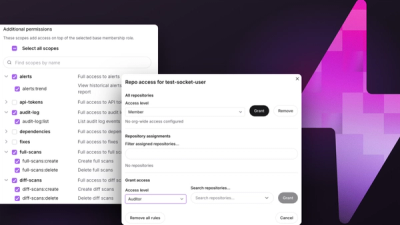
Introducing Repository Access Permissions and Custom Roles
Socket now supports Custom Roles and Repository Access Permissions so organizations can control who can access specific repositories and actions.
By Joe Werle - Jun 19, 2026
@howells/lint
Advanced tools
@howells/lintPinned Biome, Oxlint/Oxfmt, and Ultracite presets for Howells projects.
The goal is not to invent a second lint philosophy. The goal is to:
@biomejs/biome versionoxlint versionoxfmt versionultracite version@manypkg/cli version for monorepo consistency checksBiome is the default toolchain. Oxlint/Oxfmt is offered as an explicit opt-in lane for JavaScript and TypeScript projects that want the Oxc stack's speed and ESLint-style rule coverage.
When configuring a project, do this in order:
package.json, and pin .node-version to 22.18.0.@howells/lint as the direct lint dependency.biome.json that extends the closest presets.lint, mutating lint:fix, and optional lint:strict scripts.howells-workspace-check.pnpm lint and, when configured, pnpm lint:strict.All projects using this package should declare the runtime and package manager explicitly:
{
  "packageManager": "pnpm@10.23.0",
  "engines": {
    "node": ">=22.18.0"
  }
}
Also add a root .node-version file:
22.18.0
Install the shared tooling:
pnpm add -D @howells/lint
Do not add @biomejs/biome, oxlint, oxfmt, oxlint-tsgolint, ultracite, or @manypkg/cli directly unless you are developing this package itself. They are pinned transitively here.
Choose the closest preset instead of starting from a generic base and patching it locally:
@howells/lint/biome/core for Node or non-React TypeScript packages@howells/lint/biome/react for React packages@howells/lint/biome/next for Next.js appsThese presets already pin Biome and Ultracite, enable VCS ignore file support, ignore common build output directories, keep ignoreUnknown on for mixed repos, enforce 2-space indentation, and enable Tailwind CSS directives on DOM-oriented presets.
The shared presets exclude generated and output folders seen across Howells projects: node_modules, .next, .turbo, .vercel, dist, build, coverage, out, storybook-static, playwright-report, test-results, .source, .cache, .expo, .output, .wrangler, .svelte-kit, .nuxt, .vite, .vinxi, dev-dist, tmp, and temp. Keep repo-local excludes only for genuinely project-specific generated files or data directories.
Node or non-React TypeScript package:
{
  "$schema": "https://biomejs.dev/schemas/2.4.15/schema.json",
  "extends": ["@howells/lint/biome/core"],
  "root": true
}
React package:
{
  "$schema": "https://biomejs.dev/schemas/2.4.15/schema.json",
  "extends": ["@howells/lint/biome/core", "@howells/lint/biome/react"],
  "root": true
}
Next.js app:
{
  "$schema": "https://biomejs.dev/schemas/2.4.15/schema.json",
  "extends": [
    "@howells/lint/biome/core",
    "@howells/lint/biome/react",
    "@howells/lint/biome/next"
  ],
  "root": true
}
Use this lane only when a project deliberately wants Oxlint and Oxfmt instead of Biome for day-to-day linting and formatting. The default howells-lint and howells-format commands stay on Biome.
Create an oxlint.config.ts:
import { defineConfig } from "oxlint";
import core from "@howells/lint/oxlint/core";

export default defineConfig({
  extends: [core],
});
For React or Next.js projects, add the matching presets:
import { defineConfig } from "oxlint";
import core from "@howells/lint/oxlint/core";
import react from "@howells/lint/oxlint/react";
import next from "@howells/lint/oxlint/next";

export default defineConfig({
  extends: [core, react, next],
});
Create an oxfmt.config.ts:
import { defineConfig } from "oxfmt";
import howells from "@howells/lint/oxfmt";

export default defineConfig({
  extends: [howells],
});
Oxlint type-aware rules are available through the pinned oxlint-tsgolint dependency. Enable them in the root Oxlint config when the project is ready for TypeScript 7 / typescript-go constraints:
export default defineConfig({
  extends: [core],
  options: {
    typeAware: true,
  },
});
Every package or single-package app should use this shape:
{
  "scripts": {
    "lint": "howells-lint .",
    "lint:fix": "howells-format .",
    "lint:strict": "howells-lint-strict ."
  }
}
Keep lint non-mutating. Put all --write behavior in lint:fix or format so CI and local checks have the same semantics.
Prefer howells-lint . over raw biome check or long target lists. Use explicit script targets only when the package has a real scope constraint:
{
  "scripts": {
    "lint": "howells-lint apps/web packages/ui",
    "lint:fix": "howells-format apps/web packages/ui"
  }
}
For an Oxlint/Oxfmt project, keep the command names explicit:
{
  "scripts": {
    "lint": "howells-ox-check .",
    "lint:fix": "howells-ox-fix ."
  }
}
Use howells-ox-fix --unsafe . only when you deliberately want Oxlint's dangerous fixes.
Use workspace checks only at the monorepo root. Do not add howells-workspace-check to individual packages, and do not add it to single-package apps.
A monorepo root should have:
{
  "packageManager": "pnpm@10.23.0",
  "engines": {
    "node": ">=22.18.0"
  },
  "scripts": {
    "lint": "turbo run lint && howells-workspace-check",
    "lint:fix": "turbo run lint:fix && howells-workspace-fix",
    "lint:strict": "turbo run lint:strict",
    "check": "pnpm lint && pnpm typecheck && pnpm test"
  },
  "devDependencies": {
    "@howells/lint": "^0.1.7"
  }
}
howells-workspace-check validates that the root declares packageManager: "pnpm@...", requires Node 22.18.0+ in engines.node, pins .node-version to 22.18.0, keeps pnpm-workspace.yaml present when workspace package directories exist, and passes manypkg check.
CI should call pnpm lint or pnpm check so root workspace checks are not bypassed by a direct turbo lint command.
Installers only need @howells/lint as a direct dependency. Use these package binaries:
howells-biome proxies to the pinned Biome binaryhowells-ultracite proxies to the pinned Ultracite binaryhowells-lint defaults to biome check .howells-lint-strict runs high-signal Biome security, correctness, and suspicious lint ruleshowells-format defaults to biome check . --writehowells-oxlint proxies to the pinned Oxlint binaryhowells-oxfmt proxies to the pinned Oxfmt binaryhowells-ox-check runs oxfmt --check, then oxlinthowells-ox-fix runs oxfmt --write, then oxlint --fixhowells-workspace-check validates root workspace hygiene, then runs manypkg checkhowells-workspace-fix runs manypkg fixbase, shared, or custom Biome wrappers.biome-ignore comments for truly isolated exceptions over broad config overrides.lint scripts read-only; use lint:fix for formatting and safe writes.howells-lint . over raw biome check or long target lists unless a package has a real scope constraint.Add this to .claude/settings.json so files are formatted on edit and linted on session end:
{
  "hooks": {
    "PostToolUse": [
      {
        "matcher": "Edit|Write",
        "hooks": [
          {
            "type": "command",
            "command": "jq -r '.tool_input.file_path' | { read file_path; case \"$file_path\" in *.js|*.ts|*.jsx|*.tsx|*.json|*.jsonc|*.css|*.graphql) howells-format \"$file_path\" 2>/dev/null || true ;; esac; }"
          }
        ]
      }
    ],
    "Stop": [
      {
        "hooks": [
          {
            "type": "command",
            "command": "git diff --name-only --diff-filter=d HEAD | grep -E '\\.(js|ts|jsx|tsx|json|jsonc|css|graphql)$' | xargs howells-format 2>/dev/null || true"
          }
        ]
      }
    ]
  }
}
This package wraps:
FAQs
Pinned Biome, Oxlint/Oxfmt, Ultracite, and React Doctor presets for Howells projects.
The npm package @howells/lint receives a total of 89 weekly downloads. As such, @howells/lint popularity was classified as not popular.
We found that @howells/lint demonstrated a healthy version release cadence and project activity because the last version was released less than a year ago. It has 1 open source maintainer collaborating on the project.
Did you know?

Socket for GitHub automatically highlights issues in each pull request and monitors the health of all your open source dependencies. Discover the contents of your packages and block harmful activity before you install or update your dependencies.
Product
Socket now supports Custom Roles and Repository Access Permissions so organizations can control who can access specific repositories and actions.
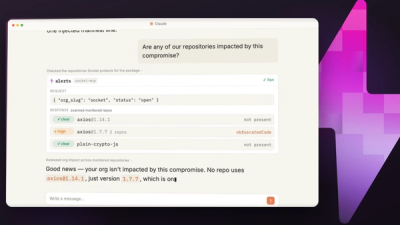
Product
Socket MCP now lets AI assistants review org alerts, investigate threats using the Socket threat feed, and inspect package files in addition to dependency scoring.
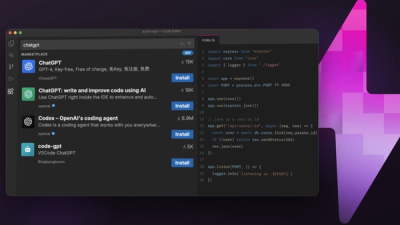
Product
Socket Firewall blocks malicious VS Code and Open VSX extensions before install, protecting developers from compromised editor marketplaces.