


Product
Introducing Repository Access Permissions and Custom Roles
Socket now supports Custom Roles and Repository Access Permissions so organizations can control who can access specific repositories and actions.
By Joe Werle - Jun 19, 2026
@templatical/core
Advanced tools
Framework-agnostic editor logic — state, history, auto-save. The reactive engine behind
@templatical/editor.

Powers @templatical/editor. Use this package directly if you want to build a custom UI on top of the Templatical state model — for example, a CLI tool, automation pipeline, or your own visual editor.
Built on @vue/reactivity (no full Vue runtime), so it works anywhere reactive primitives do.
npm install @templatical/core @templatical/types
import { useEditor } from '@templatical/core';
import { createDefaultTemplateContent, createTitleBlock } from '@templatical/types';
import { watch } from '@vue/reactivity';

const editor = useEditor({
  content: createDefaultTemplateContent(),
});

// Mutate state — these methods live on the editor return value
editor.addBlock(createTitleBlock({ text: 'Welcome!' }));
editor.selectBlock(editor.content.value.blocks[0].id);

// Read reactive state
console.log(editor.content.value);          // current TemplateContent
console.log(editor.selectedBlock.value);    // currently selected Block | null
console.log(editor.state.isDirty);          // dirty flag

// React to changes
watch(editor.content, (next) => {
  console.log('Template updated', next);
});
useEditor — reactive state (content, selection, viewport, darkMode, isDirty) + mutation methods (addBlock, removeBlock, moveBlock, updateBlock, updateSettings, selectBlock, …)useHistory — undo/redo stackuseHistoryInterceptor — wraps mutation methods so they push onto the history stack automaticallyuseBlockActions — higher-level helpers built on top of useEditor (createAndAddBlock(type), duplicateBlock, deleteBlock, updateBlockProperty)useAutoSave — debounced save with onSave callbackuseConditionPreview — display condition preview stateuseDataSourceFetch — fetch helper for custom block data sourcesThe @templatical/core/cloud subpath provides Templatical Cloud integrations (Auth, API client, WebSocket, AI chat/rewrite, collaboration, comments, scoring). Used by @templatical/editor's initCloud(). See Cloud docs.
Full reference at docs.templatical.com.
FSL-1.1-MIT — free for any non-competing commercial use, automatically converts to MIT after 2 years per release.
FAQs
Framework-agnostic editor logic for Templatical email editor
The npm package @templatical/core receives a total of 1,773 weekly downloads. As such, @templatical/core popularity was classified as popular.
We found that @templatical/core demonstrated a healthy version release cadence and project activity because the last version was released less than a year ago. It has 1 open source maintainer collaborating on the project.
Did you know?

Socket for GitHub automatically highlights issues in each pull request and monitors the health of all your open source dependencies. Discover the contents of your packages and block harmful activity before you install or update your dependencies.
Product
Socket now supports Custom Roles and Repository Access Permissions so organizations can control who can access specific repositories and actions.

Product
Socket MCP now lets AI assistants review org alerts, investigate threats using the Socket threat feed, and inspect package files in addition to dependency scoring.
Product
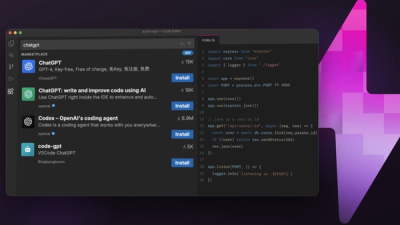
Socket Firewall blocks malicious VS Code and Open VSX extensions before install, protecting developers from compromised editor marketplaces.