
Product
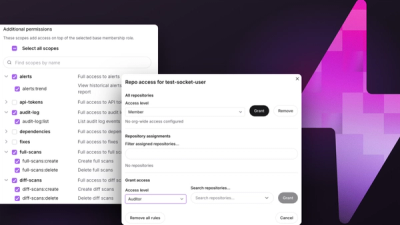
Introducing Repository Access Permissions and Custom Roles
Socket now supports Custom Roles and Repository Access Permissions so organizations can control who can access specific repositories and actions.
By Joe Werle - Jun 19, 2026
@undp-data/data-utils
Advanced tools

UNDP Data Utils is a lightweight utility library for working with data files (CSV, JSON, XLSX, etc.), with built-in support for validating, parsing, and formatting data.
We also assumes that you have intermediate knowledge about JavaScript/TypeScript.
NPM Package can be found here
Using npm
npm i @undp-data/data-utils
Using yarn
yarn add @undp-data/data-utils
getISO2FromCountryName(name: string, threshold?: number): string | undefined
Returns the ISO 3166-1 Alpha-2 (2-letter) country code from a given country name. It attempts exact match, cleaned string match, and fuzzy match (using fuse.js) in order.
Parameters
Example
getISO2FromCountryName('Finland'); // 'FI'
getISO2FromCountryName('U S A');   // 'US'
getISO2FromCountryName('Brzil');   // 'BR' (fuzzy match for 'Brazil')
getISO3FromCountryName(name: string, threshold?: number): string | undefined
Returns the ISO 3166-1 Alpha-3 (3-letter) country code from a given country name. It attempts exact match, cleaned string match, and fuzzy match (using fuse.js) in order.
Parameters
Example
getISO2FromCountryName('Finland'); // 'FIN'
getISO2FromCountryName('U S A');   // 'USA'
getISO2FromCountryName('Argntina');   // 'ARG' (fuzzy match for 'Brazil')
getISO2FromISO3(code: string): string | undefined
Converts a 3-letter ISO country code (Alpha-3) to a 2-letter ISO code (Alpha-2).
Parameters
Example
getISO2FromISO3('SWE'); // 'SE'
getISO2FromISO3('DEU'); // 'DE'
getISO3FromISO2(code: string): string | undefined
Converts a 2-letter ISO country code (Alpha-2) to a 3-letter ISO code (Alpha-3).
Parameters
Example
getISO3FromISO2('SE'); // 'SWE'
getISO3FromISO2('DE'); // 'DEU'
getCountryDetailsFromISO3(code: string): object | undefined
Returns full country details for a given ISO 3-letter code.
Parameters
Example
getCountryDetailsFromISO3('SWE'); // 'SWE'
/*
{
  "Alpha-3 code":"SWE",
  "Country or Area (official name)":"Sweden",
  "Alpha-2 code":"SE",
  "Numeric code":"752",
  "Latitude (average)":"62.0",
  "Longitude (average)":"15.0",
  "Group 1":"Europe",
  "Group 2":"Northern Europe",
  "Group 3":"",
  "LDC":false,
  "LLDC":false,
  "SIDS":false,
  "UNDP Bureau": null
}
*/
getCountryDetailsFromISO2(code: string): object | undefined
Returns full country details for a given ISO 2-letter code.
Parameters
Example
getCountryDetailsFromISO2('SE'); // 'SWE'
/*
{
  "Alpha-3 code":"SWE",
  "Country or Area (official name)":"Sweden",
  "Alpha-2 code":"SE",
  "Numeric code":"752",
  "Latitude (average)":"62.0",
  "Longitude (average)":"15.0",
  "Group 1":"Europe",
  "Group 2":"Northern Europe",
  "Group 3":"",
  "LDC":false,
  "LLDC":false,
  "SIDS":false,
  "UNDP Bureau": null
}
*/
getCountryDetailsFromName(name: string): object | undefined
Returns full country details from a given country name. It attempts exact match, cleaned string match, and fuzzy match (using fuse.js) in order.
Parameters
Example
getCountryDetailsFromName('Sweden');
/*
{
  "Alpha-3 code":"SWE",
  "Country or Area (official name)":"Sweden",
  "Alpha-2 code":"SE",
  "Numeric code":"752",
  "Latitude (average)":"62.0",
  "Longitude (average)":"15.0",
  "Group 1":"Europe",
  "Group 2":"Northern Europe",
  "Group 3":"",
  "LDC":false,
  "LLDC":false,
  "SIDS":false,
  "UNDP Bureau": null
}
*/
addISO3CountryCodeFromISO2(data, countryColumnName, iso3ColumnName?): object[]
Adds an ISO3 country code to each object based on a column with ISO2 codes.
Parameters
Example
const data = [
  { iso2: 'US', metric: 75 },
  { iso2: 'FR', metric: 60 },
];

const enriched = addISO3CountryCodeFromISO2(data, 'iso2', 'iso3_code');

console.log(enriched);
/*
[
  { iso2: 'US', metric: 75, iso3_code: 'USA' },
  { iso2: 'FR', metric: 60, iso3_code: 'FRA' }
]
*/
addISO3CountryCodeFromName(data, countryColumnName, iso3ColumnName?, threshold?): object[]
Adds an ISO3 country code to each object in the dataset based on a country name column.
Parameters
Example
const data = [
  { country: 'India', value: 100 },
  { country: 'Brzil', value: 50 },
];

const enriched = addISO3CountryCodeFromName(data, 'country');

console.log(enriched);
/*
[
  { country: 'India', value: 100, ISO3: 'IND' },
  { country: 'Brzil', value: 50, ISO3: 'BRA' } // fuzzy match to Brazil
]
*/
csvToJson(data: string, delimiter = ',', fileName = 'data.json')
Parses a CSV string and downloads the result as a JSON file.
Parameters
Example
const csv = `name,age,country
Alice,30,Canada
Bob,25,USA`;

csvToJson(csv); // Triggers download of "data.json"
jsonToCsv(data: object[] | string, fileName = 'data.csv')
Converts a JSON array (or valid JSON string) to CSV and downloads it.
Parameters
Example
const jsonData = [
  { name: 'Alice', age: 30 },
  { name: 'Bob', age: 25 },
];

jsonToCsv(jsonData); // Triggers download of "data.csv"
xlsxToCSV(file: File | string, combineSheets = false, filename = 'data.csv', ignoreSheets?: string[])
Converts an Excel file to CSV and triggers a file download.
Parameters
Example
// From file upload
xlsxToCSV(fileInput.files[0], true, 'merged.csv', ['Sheet2']);

// From remote URL
xlsxToCSV('https://example.com/data.xlsx', false, 'first-sheet.csv');
xlsxToJSON(file: File | string, combineSheets = false, filename = 'data.json', ignoreSheets?: string[])
Converts an Excel file to JSON and triggers a file download.
Parameters
Example
// From file upload
xlsxToJSON(fileInput.files[0], true, 'merged.json', ['Sheet2']);

// From remote URL
xlsxToJSON('https://example.com/data.xlsx', false, 'first-sheet.json');
downloadCSVFromData(data: Record<string, any>[], filename = 'data.csv')
Converts an array of objects into a CSV file and triggers a download.
Parameters
Example
const users = [
  { name: 'Alice', age: 30 },
  { name: 'Bob', age: 25 },
];

downloadCSVFromData(users, 'users.csv');
downloadMultipleCSVFromData(data: Record<string, any>[][], filename = 'data')
Triggers download of multiple CSV files—one for each dataset in the array.
Parameters
Example
const dataset1 = [{ id: 1 }, { id: 2 }];
const dataset2 = [{ id: 3 }, { id: 4 }];

downloadMultipleCSVFromData([dataset1, dataset2], 'batch');
downloadJsonFile(data: Record<string, any>[], filename = 'data.json')
Serializes the data to JSON and downloads it.
Parameters
Example
const report = [{ date: '2024-01-01', score: 80 }];
downloadJsonFile(report, 'report.json');
getCsvFromFile(file: File, delimiter = ','): Promise<object[]>
Parses a CSV file (e.g. from <input type="file" />) into an array of objects.
Parameters
Example
const file = fileInput.files[0];
const data = await getCsvFromFile(file);
console.log(data);
/*
[
  { name: 'Alice', age: '30' },
  { name: 'Bob', age: '25' },
]
*/
getCsvFromUrl(url: string, delimiter = ','): Promise<object[]>
Fetches and parses a remote CSV file into structured data.
Parameters
Example
const url = 'https://example.com/data.csv';
const data = await getCsvFromUrl(url);
getJsonFromUrl(url: string): Promise<object[]>
Fetches and parses a remote JSON file.
Parameters
Example
const data = await getJsonFromUrl('https://example.com/data.json');
getXLSXFromUrl(url: string, combineSheets = false, ignoreSheets?: string[]): Promise<any[]>
Fetches and parses a .xlsx file from a remote URL.
Parameters
Example
const data = await getXLSXFromUrl('https://example.com/data.xlsx', true);
console.log(data);
getXLSXFromFile(file: File, combineSheets = false, ignoreSheets?: string[]): Promise<any[]>
Reads and parses a .xlsx file selected in the browser (via <input type="file" />).
Parameters
Example
const file = fileInput.files[0];
const data = await getXLSXFromFile(file, true); // Combined data from all sheets
console.log(data);
addColumns(data: Record<string, any>[], columns: { header: string; value: any }[]): Record<string, any>[]
This utility adds one or more new columns with fixed values to each row in a dataset. Ideal for tagging data with metadata like source, sheet name, or version.
Parameters
Example
const input = [
  { name: 'Alice', age: 30 },
  { name: 'Bob', age: 25 },
];

const updated = addColumns(input, [
  { header: 'source', value: 'Survey A' },
  { header: 'verified', value: true },
]);

/*
[
  { name: 'Alice', age: 30, source: 'Survey A', verified: true },
  { name: 'Bob', age: 25, source: 'Survey A', verified: true }
]
*/
removeColumns(data: Record<string, any>[], columns: string[]): Record<string, any>[]
This utility Removes one or more specified columns from each object in a dataset. Useful for cleaning or anonymizing tabular data.
Parameters
Example
const file = fileInput.files[0];
const data = await getXLSXFromFile(file, true); // Combined data from all sheets
console.log(data);
cleanData(data: Record<string, any>[]): Record<string, any>[]
This utility cleans raw tabular data by trimming strings and parsing valid numbers into floats. Ideal as a pre-processing step before validation or transformation.
Parameters
Example
const rawData = [
  { name: ' Alice ', age: '30', country: ' USA ' },
  { name: 'Bob', age: '25.5', country: 'Canada' },
];

const cleaned = cleanData(rawData);

/*
[
  { name: 'Alice', age: 30, country: 'USA' },
  { name: 'Bob', age: 25.5, country: 'Canada' }
]
*/
mergeData(dataArray: Record<string, any>[][], joinKeys?: (keyof T)[]): Record<string,any>[]
This utility merges multiple arrays of objects into a single unified dataset. Optionally joins the data on specified key(s).
Parameters
Example
const a = [{ id: 1, name: 'Alice' }];
const b = [{ age: 30 }];

mergeData([a, b]);
// Output:
// [
//   { id: 1, name: 'Alice' },
//   { age: 30 }
// ]

const a = [
  { id: 1, name: 'Alice' },
  { id: 2, name: 'Bob' },
];

const b = [
  { id: 1, age: 30 },
  { id: 2, age: 25 },
];

mergeData([a, b], ['id']);
// Output:
// [
//   { id: '1', name: 'Alice', age: 30 },
//   { id: '2', name: 'Bob', age: 25 }
// ]
splitData(data: Record<string, any>[], keyToSplit: string): Record<string, any>[][]
This utility splits a dataset (array of objects) into multiple groups based on the unique values of a specified key. Useful for segmenting data by category, region, user, etc.
Parameters
Example
const input = [
  { country: 'USA', name: 'Alice' },
  { country: 'India', name: 'Raj' },
  { country: 'USA', name: 'Bob' },
];

const grouped = splitData(input, 'country');

console.log(grouped);
/*
[
  [
    { country: 'USA', name: 'Alice' },
    { country: 'USA', name: 'Bob' }
  ],
  [
    { country: 'India', name: 'Raj' }
  ]
]
*/
renameHeader(data: Record<string, any>[], headers: { oldHeader: string; newHeader: string }[]): Record<string, any>[]
This utility renames one or more column headers (object keys) in a dataset — typically used for tabular data like parsed CSV, JSON, or Excel rows.
Parameters
Example
const input = [
  { Name: 'Alice', Age: 30 },
  { Name: 'Bob', Age: 25 },
];

const renamed = renameHeader(input, [
  { oldHeader: 'Name', newHeader: 'Full Name' },
  { oldHeader: 'Age', newHeader: 'Years' },
]);

console.log(renamed);
/*
[
  { 'Full Name': 'Alice', Years: 30 },
  { 'Full Name': 'Bob', Years: 25 },
]
*/
trimStringInData(data: Record<string, any>[]): Record<string, any>[]
This utility function trims leading and trailing whitespace from all string values across an array of objects (typically tabular data). It ensures full column coverage—even when keys are inconsistent across rows.
Parameters
Example
const input = [
  { name: '  Alice  ', age: 25 },
  { name: 'Bob\n', country: '  USA ' },
  { name: ' Charlie', extra: null },
];

const cleaned = trimStringInData(input);

console.log(cleaned);
/*
[
  { name: 'Alice', age: 25 },
  { name: 'Bob', country: 'USA' },
  { name: 'Charlie', extra: null },
]
*/
validateData(data: Record<string, any>[], schema: SchemaField[]): ValidationError[]
This utility validates data object based on provided schema.
Parameters
SchemaField
{
  columnName: string;
  type: 'string' | 'number' | 'Alpha 3 code' | 'dateTime' | 'boolean';
  required?: boolean;
  enum?: string[]; //only applicable if type is string
  range?: [number, number]; //only applicable if type is number
  dateFormat?: string; //only applicable if type is dateTime
};
Output schema
{
  index: number;
  column: string;
  error: string;
}[];
Example
const schema = [
  { columnName: 'country', type: 'Alpha 3 code', required: true },
  { columnName: 'age', type: 'number', range: [18, 65] },
  { columnName: 'joinedAt', type: 'dateTime', dateFormat: 'yyyy-MM-dd' },
  { columnName: 'isActive', type: 'boolean' },
];

const data = [
  { country: 'USA', age: 22, joinedAt: '2024-01-01', isActive: 'Yes' },
  { country: 'XYZ', age: 70, joinedAt: 'invalid', isActive: 'maybe' },
];

const errors = validateData(data, schema);
console.log(errors);
/*
[
  { index: 1, column: 'country', error: 'country must be a valid Alpha-3 code. Received: "XYZ"' },
  { index: 1, column: 'age', error: 'age must be between 18 and 65. Received: "70"' },
  { index: 1, column: 'joinedAt', error: 'joinedAt must be a valid ISO 8601 datetime.Expected format: yyyy-MM-dd. Received: "invalid"' },
  { index: 1, column: 'isActive', error: 'isActive must be a true, True, TRUE, false, False, FALSE, Yes, YES, yes, No, no, NO. Received: "maybe"' },
]
*/
parseData(data: Record<string, any>[], schema: SchemaField[]): Record<string, any>[] | ErrorMessage
This utility function parses data object based on provided schema.
If the data is not valid based on the schema the function throws an error
Parameters
SchemaField
{
  columnName: string;
  type: 'string' | 'number' | 'Alpha 3 code' | 'dateTime' | 'boolean';
  dateFormat?: string; //only applicable if type is dateTime
};
Example
const schema = [
  { columnName: 'age', type: 'number' },
  { columnName: 'isActive', type: 'boolean' },
  { columnName: 'joinedAt', type: 'dateTime', dataFormat: 'YYYY-mm-dd' },
];

const data = [
  { age: '25', isActive: 'Yes', joinedAt: '2024-01-01' },
];

const result = parseData(data, schema);

console.log(result)

/*
[
  { age: 25, isActive: true, joinedAt:  "2021-01-01T00:00:00.000Z"}
]
*/
parseCsvString(csv: string, delimiter = ','): Record<string, any>[]
This utility function parses CSV data as string to object.
Parameters
Example
const file = fileInput.files[0];
const data = await getXLSXFromFile(file, true); // Combined data from all sheets
console.log(data);
getDataSummary(data: Record<string, any>[]): Record<string, any>[]
This utility function scans a dataset (array of objects) and converts any valid numeric values into JavaScript floating-point numbers (number type).
Parameters
Example
const csv = `name,age\nAlice,30\nBob,25`;
const data = parseCsvString(csv);
console.log(data);
/*
[
  { name: 'Alice', age: '30' },
  { name: 'Bob', age: '25' }
]
*/
getDataSummary(data: Record<string, any>[]): Summary[];
The getDataSummary function analyzes a dataset (array of objects) and returns a summary of each column, including:
Parameters
Output format
For numeric columns
{
  columnName: 'age',
  type: 'number',
  range: [18, 65],
  percentiles: {
    p25: 25,
    p50: 30,
    p75: 45
  },
  histogram: [3, 7, 10, 5, 2, ...] // 10 bins
}
For string (categorical) columns
{
  columnName: 'country',
  type: 'string',
  enum: [
    { value: 'India', noOfRowsWithValue: 20 },
    { value: 'USA', noOfRowsWithValue: 15 },
  ]
}
Example
const data = [
  { name: 'Alice', age: 25, country: 'India' },
  { name: 'Bob', age: 30, country: 'USA' },
  { name: 'Charlie', age: 25, country: 'India' },
];

const summary = getDataSummary(data);
console.log(summary);
FAQs
Library with data utils for UNDP
The npm package @undp-data/data-utils receives a total of 5 weekly downloads. As such, @undp-data/data-utils popularity was classified as not popular.
We found that @undp-data/data-utils demonstrated a healthy version release cadence and project activity because the last version was released less than a year ago. It has 4 open source maintainers collaborating on the project.
Did you know?

Socket for GitHub automatically highlights issues in each pull request and monitors the health of all your open source dependencies. Discover the contents of your packages and block harmful activity before you install or update your dependencies.
Product
Socket now supports Custom Roles and Repository Access Permissions so organizations can control who can access specific repositories and actions.
Product
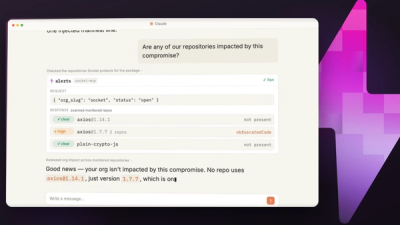
Socket MCP now lets AI assistants review org alerts, investigate threats using the Socket threat feed, and inspect package files in addition to dependency scoring.
Product
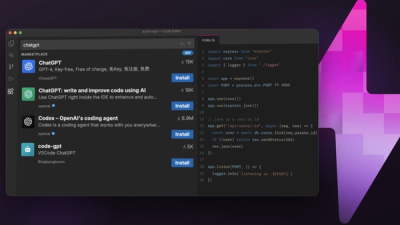
Socket Firewall blocks malicious VS Code and Open VSX extensions before install, protecting developers from compromised editor marketplaces.