

Product
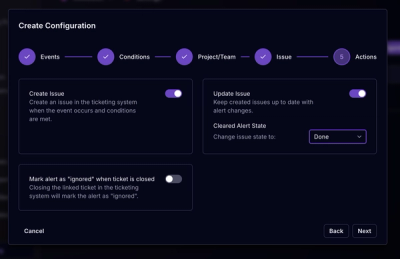
Socket for Jira Is Now Available
Socket for Jira lets teams turn alerts into Jira tickets with manual creation, automated ticketing rules, and two-way sync.
By Jeppe Hasseriis - Apr 20, 2026
next-useragent
Advanced tools
next-useragent parses browser user-agent strings for next.js.
$ npm install next-useragent
next-useragent is simple to use.
Give access to user-agent details anywhere using withUserAgent method.
import React from 'react'
import dynamic from 'next/dynamic'
import { WithUserAgentProps, withUserAgent } from 'next-useragent'

const DesktopContent = dynamic(() => import('./desktop-content'))
const MobileContent = dynamic(() => import('./mobile-content'))

class IndexPage extends React.Component<WithUserAgentProps> {

  static async getInitialProps(ctx) {
    return { useragent: ctx.ua.source }
  }

  render() {
    const { ua, useragent } = this.props

    return (
      <>
        <p>{ useragent }</p>
        { ua.isMobile ? (
        <MobileContent />
        ) : (
        <DesktopContent />
        ) }
      </>
    )
  }
}

export default withUserAgent(IndexPage)
The useUserAgent returns UserAgent instance.
import React from 'react'
import dynamic from 'next/dynamic'
import { useUserAgent } from 'next-useragent'

const DesktopContent = dynamic(() => import('./desktop-content'))
const MobileContent = dynamic(() => import('./mobile-content'))

export default props => {
  let ua;
  if (props.uaString) {
    ua = useUserAgent(props.uaString)
  } else {
    ua = useUserAgent(window.navigator.userAgent)
  }

  return (
    <div>
      <p>{ ua.source }</p>
      { ua.isMobile ? (
        <MobileContent />
      ) : (
        <DesktopContent />
      ) }
    </div>
  )
}

export function getServerSideProps(context) {
  return {
    props: {
      uaString: context.req.headers['user-agent']
    }
  }
}
The parse returns UserAgent instance.
This works on server side and inside conditions without ESLint throwing errors
import React from 'react'
import dynamic from 'next/dynamic'
import { parse } from 'next-useragent'

const DesktopContent = dynamic(() => import('./desktop-content'))
const MobileContent = dynamic(() => import('./mobile-content'))

export default props => {
  let ua;
  if (props.uaString) {
    ua = parse(props.uaString)
  } else {
    ua = parse(window.navigator.userAgent)
  }

  return (
    <div>
      <p>{ ua.source }</p>
      { ua.isMobile ? (
        <MobileContent />
      ) : (
        <DesktopContent />
      ) }
    </div>
  )
}

export function getServerSideProps(context) {
  return {
    props: {
      uaString: context.req.headers['user-agent']
    }
  }
}
The parsed objects looks like the following:
{
  source: 'Mozilla/5.0 (iPhone; CPU iPhone OS 8_0 like Mac OS X) AppleWebKit/600.1.4 (KHTML, like Gecko) Version/8.0 Mobile/12A365 Safari/600.1.4',
  deviceType: 'mobile',
  deviceVendor: 'Apple',
  os: 'iOS',
  osVersion: 8,
  browser: 'Mobile Safari',
  browserVersion: 8,
  isIphone: true,
  isIpad: false,
  isMobile: true,
  isTablet: false,
  isDesktop: false,
  isChrome: false,
  isFirefox: false,
  isSafari: true,
  isIE: false,
  isMac: false,
  isChromeOS: false,
  isWindows: false,
  isIos: false,
  isAndroid: false,
  isBot: false
}
next-useragent is licensed under MIT License.
See LICENSE for more information.
FAQs
next-useragent parses browser user-agent strings for next.js.
The npm package next-useragent receives a total of 18,535 weekly downloads. As such, next-useragent popularity was classified as popular.
We found that next-useragent demonstrated a not healthy version release cadence and project activity because the last version was released a year ago. It has 1 open source maintainer collaborating on the project.
Did you know?

Socket for GitHub automatically highlights issues in each pull request and monitors the health of all your open source dependencies. Discover the contents of your packages and block harmful activity before you install or update your dependencies.
Product
Socket for Jira lets teams turn alerts into Jira tickets with manual creation, automated ticketing rules, and two-way sync.
Company News
Socket won two 2026 Reppy Awards from RepVue, ranking in the top 5% of all sales orgs. AE Alexandra Lister shares what it's like to grow a sales career here.

Security News
NIST will stop enriching most CVEs under a new risk-based model, narrowing the NVD's scope as vulnerability submissions continue to surge.