

Product
Socket for Jira Is Now Available
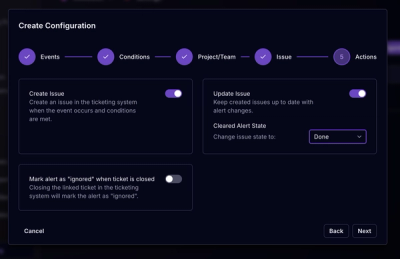
Socket for Jira lets teams turn alerts into Jira tickets with manual creation, automated ticketing rules, and two-way sync.
By Jeppe Hasseriis - Apr 20, 2026




Node.js library for getting info from NPM’s API
Please consider following this project's author, Brian Woodward, and consider starring the project to show your :heart: and support.
Install with npm:
$ npm install --save npm-api
var NpmApi = require('npm-api');
NpmApi constructor. Create an instance to work with maintainer and repository information.
Example
let npm = new NpmApi();
Create a new instance of View or get an existing instance to work with npm couchdb views.
Params
name {String}: Name of the couchdb view to work with.returns {Object} View: instanceExample
var view = npm.view('byUser');
Create a new instance of List or get an existing instance to work with npm couchdb list.
Params
name {String}: Name of the couchdb list to work with.view {String|Object}: Name or instance of a view to work with.returns {Object} List: instanceExample
var list = npm.list('sortCount', 'byUser');
Create an instance of a repo to work with.
Params
name {String}: Name of the repo as it's published to npm.returns {Object}: Instance of a Repo model to work with.Example
var repo = npm.repo('micromatch');
Create an instance of a maintainer to work with.
Params
name {String}: Npm username of the maintainer.returns {Object}: Instance of a Maintainer model to work with.Example
var maintainer = npm.maintainer('doowb');
Base model to include common plugins.
Params
store {Object}: Cache store instance to use.Maintainer constructor. Create an instance of an npm maintainer by maintainer name.
Params
name {String}: Name of the npm maintainer to get information about.Example
const maintainer = new Maintainer('doowb');
Get the repositories owned by this maintainer.
returns {Promise}: Returns array of repository names when promise resolves.Example
maintainer.repos()
  .then(function(repos) {
    console.log(repos);
  }, function(err) {
    console.error(err);
  });
Repo constructor. Create an instance of an npm repo by repo name.
Params
name {String}: Name of the npm repo to get information about.Example
const repo = new Repo('micromatch');
Get the repo's published package.json.
returns {Promise}: Returns the package.json object when promise resolves.Example
repo.package()
  .then(function(pkg) {
    console.log(pkg);
  }, function(err) {
    console.error(err);
  });
Get the repo's published package.json value for the specified version.
Params
version {String}: Specific version to retrieve.returns {Promise}: Returns the package.json object for the specified version when promise resolves.Example
repo.version('0.2.0')
  .then(function(pkg) {
    console.log(pkg);
  }, function(err) {
    console.error(err);
  });
Get the repo's dependencies for the specified version.
Params
version {String}: Specific version to retrieve. Defaults to latest.returns {Promise}: Returns the dependencies object for the specified version when promise resolves.Example
repo.dependencies()
  .then(function(dependencies) {
    console.log(dependencies);
  }, function(err) {
    console.error(err);
  });
Get the repo's devDependencies for the specified version.
Params
version {String}: Specific version to retrieve. Defaults to latest.returns {Promise}: Returns the devDependencies object for the specified version when promise resolves.Example
repo.devDependencies()
  .then(function(devDependencies) {
    console.log(devDependencies);
  }, function(err) {
    console.error(err);
  });
Get the specified property from the repo's package.json for the specified version.
Params
prop {String}: Name of the property to get.version {String}: Specific version to retrieve. Defaults to latest.returns {Promise}: Returns the property for the specified version when promise resolves.Example
repo.prop('author')
  .then(function(author) {
    console.log(author);
  }, function(err) {
    console.error(err);
  });
View constructor. Create an instance of a view associated with a couchdb view in the npm registry.
Params
name {String}: Name of couchdb view to use.returns {Object}: instance of ViewExample
const view = new View('dependedUpon');
Query the couchdb view with the provided parameters.
Params
params {Object}: URL query parameters to pass along to the couchdb view.returns {Promise}: Results of the query when promise is resolved.Example
let results = await view.query({
  group_level: 2,
  startkey: JSON.stringify(['micromatch']),
  endkey: JSON.stringify(['micromatch', {}])
});
Query the couchdb view with the provided parameters and return a stream of results.
Params
params {Object}: URL query parameters to pass along to the couchdb view.returns {Stream}: Streaming results of the query.Example
view.stream({
  group_level: 2,
  startkey: JSON.stringify(['micromatch']),
  endkey: JSON.stringify(['micromatch', {}])
})
.on('data', (data) => {
  console.log(data);
});
Build a formatted url with the provided parameters.
Params
query {Object}: URL query parameters.returns {String}: formatted url stringList constructor. Create an instance of a list associated with a couchdb list in the npm registry.
Params
name {String}: Name of couchdb list to use.view {Object}: Instance of a View to use with the list.returns {Object}: instance of ListExample
let list = new List('dependedUpon', view);
Query the couchdb list with the provided parameters.
Params
params {Object}: URL query parameters to pass along to the couchdb list.returns {Promise}: Results of the query when promise is resolved.Example
let results = await list.query({ key: JSON.stringify(['micromatch']) })
Build a formatted url with the provided parameters.
Params
query {Object}: URL query parameters.returns {String}: formatted url stringPull requests and stars are always welcome. For bugs and feature requests, please create an issue.
Please read the contributing guide for advice on opening issues, pull requests, and coding standards.
Running and reviewing unit tests is a great way to get familiarized with a library and its API. You can install dependencies and run tests with the following command:
$ npm install && npm test
(This project's readme.md is generated by verb, please don't edit the readme directly. Any changes to the readme must be made in the .verb.md readme template.)
To generate the readme, run the following command:
$ npm install -g verbose/verb#dev verb-generate-readme && verb
You might also be interested in these projects:
| Commits | Contributor |
|---|---|
| 115 | doowb |
| 1 | 0xflotus |
| 1 | Hypnosphi |
| 1 | NachmanBerkowitz |
Brian Woodward
Copyright © 2021, Brian Woodward. Released under the MIT License.
This file was generated by verb-generate-readme, v0.8.0, on January 20, 2021.
The npm-registry-fetch package provides a low-level interface to interact with the npm registry. It is more flexible and allows for more customized requests compared to npm-api, but it requires more setup and understanding of the npm registry API.
The package-json package allows you to get metadata of a package from the npm registry. It is simpler and more focused on fetching package information compared to npm-api, which offers a broader range of functionalities.
The npm package itself can be used programmatically to interact with the npm registry. It provides a comprehensive set of features but is more complex to use compared to npm-api, which offers a more streamlined and simplified interface.
FAQs
Node.js library for getting info from NPM’s API
We found that npm-api demonstrated a not healthy version release cadence and project activity because the last version was released a year ago. It has 1 open source maintainer collaborating on the project.
Did you know?

Socket for GitHub automatically highlights issues in each pull request and monitors the health of all your open source dependencies. Discover the contents of your packages and block harmful activity before you install or update your dependencies.
Product
Socket for Jira lets teams turn alerts into Jira tickets with manual creation, automated ticketing rules, and two-way sync.
Company News
Socket won two 2026 Reppy Awards from RepVue, ranking in the top 5% of all sales orgs. AE Alexandra Lister shares what it's like to grow a sales career here.

Security News
NIST will stop enriching most CVEs under a new risk-based model, narrowing the NVD's scope as vulnerability submissions continue to surge.