

Product
Socket for Jira Is Now Available
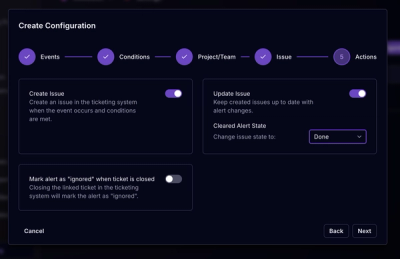
Socket for Jira lets teams turn alerts into Jira tickets with manual creation, automated ticketing rules, and two-way sync.
By Jeppe Hasseriis - Apr 20, 2026
use-analytics
Advanced tools
React hooks for analytics. This library adds some convenience methods when working with React & makes it a little easier to passing around the analytics instance while instrumenting your application.
Note: When using analytics with React, this library, use-analytics, hooks library is not required. See details below for using analytics with react without hooks.
Install analytics, use-analytics from npm.
npm install analytics use-analytics
After installing the analytics and use-analytics, include in your project.
Initialize analytics with your third-party plugins or custom plugins and pass it to the <AnalyticsProvider> component in the instance prop.
Wrapping your application with <AnalyticsProvider> is required for using use-analytics hooks.
import React from 'react'
import ReactDOM from 'react-dom'
import Analytics from 'analytics'
import googleAnalytics from '@analytics/google-analytics'
import { AnalyticsProvider, useAnalytics } from 'use-analytics'

/* Initialize analytics & load plugins */
const analytics = Analytics({
  app: 'awesome-app',
  plugins: [
    googleAnalytics({
      trackingId: 'UA-1234567',
    })
  ]
})

const Example = (props) => {
  const { track, page, identify } = useAnalytics()
  return (
    <div>
      <button onClick={() => track('trackThing')}>
        Track event
      </button>
      <button onClick={() => page()}>
        Trigger page view
      </button>
      <button onClick={() => identify('userID', { email: 'bob@bob.com' })}>
        Trigger identify visitor
      </button>
    </div>
  )
}

ReactDOM.render((
  <AnalyticsProvider instance={analytics}>
    <Example />
  </AnalyticsProvider>
), document.getElementById('root'))
For more information on how to use, checkout this example repo.
useAnalytics hookAfter the AnalyticsProvider is added to your application you can use the useAnalytics hook anywhere down the component tree.
import React from 'react'
import { useAnalytics } from 'use-analytics'

const Example = (props) => {
  const { track, page, identify } = useAnalytics()
  return (
    <div>
      <button onClick={() => track('trackThing')}>
        Track event
      </button>
      <button onClick={() => page()}>
        Trigger page view
      </button>
      <button onClick={() => identify('userID', { email: 'bob@bob.com' })}>
        Trigger identify visitor
      </button>
    </div>
  )
}
AnalyticsConsumerBelow is an example of using render props and the AnalyticsConsumer functional component and the render props pattern.
import React from 'react'
import ReactDOM from 'react-dom'
import Analytics from 'analytics'
import { AnalyticsProvider, AnalyticsConsumer } from 'use-analytics'

/* Initialize analytics & load plugins */
const analytics = Analytics({
  app: 'awesome-app',
  plugins: [
    googleAnalytics({
      trackingId: 'UA-1234567',
    })
  ]
})

ReactDOM.render((
  <AnalyticsProvider instance={analytics}>
    <AnalyticsConsumer>
      {(props) => {
        /* props contains the analytics API. https://getanalytics.io/api/*/
        const { track, page, identify, user } = props
        return (
          <div>
            <button onClick={() => track('trackThing')}>
              Track event
            </button>
            <button onClick={() => page()}>
              Trigger page view
            </button>
            <button onClick={() => identify('userID', { email: 'bob@bob.com' })}>
              Trigger identify visitor
            </button>
          </div>
        )
      }}
    </AnalyticsConsumer>
  </AnalyticsProvider>
), document.getElementById('root'))
withAnalyticsIt's also possible to use withAnalytics higher order component to wrap components inside the <AnalyticsProvider /> component.
This will inject the analytics instance into this.props.analytics
Below is an example of using withAnalytics
import React, { Component } from 'react'
import { withAnalytics } from 'use-analytics'

class App extends Component {
  render() {
    /* props.analytics contains the analytics API https://getanalytics.io/api/*/
    const { analytics } = this.props
    const { track, page, identify } = analytics
    return (
      <div className="App">
        <div>
          <button onClick={() => track('trackThing')}>
            Track event
          </button>
          <button onClick={() => page()}>
            Trigger page view
          </button>
          <button onClick={() => identify('userID', { email: 'bob@bob.com' })}>
            Trigger identify visitor
          </button>
        </div>
      </div>
    )
  }
}

export default withAnalytics(App)
AnalyticsContextIf you are using React class components, you can leverage the static contextType field and set the AnalyticsContext.
import React from 'react'
import ReactDOM from 'react-dom'
import Analytics from 'analytics'
import googleAnalytics from '@analytics/google-analytics'
import { AnalyticsProvider, AnalyticsContext } from 'use-analytics'

/* Initialize analytics & load plugins */
const analytics = Analytics({
  app: 'awesome-app',
  plugins: [
    googleAnalytics({
      trackingId: 'UA-1234567',
    })
  ]
})

/* Example of class component using contextType */
class ComponentWithContextType extends React.Component {
  static contextType = AnalyticsContext
  render = () => {
    /* this.context contains the analytics API https://getanalytics.io/api/*/
    const { track, page, identify } = this.context
    return (
      <div>
        <button onClick={() => track('trackThing')}>
          Track event
        </button>
        <button onClick={() => page()}>
          Trigger page view
        </button>
        <button onClick={() => identify('userID', { email: 'bob@bob.com' })}>
          Trigger identify visitor
        </button>
      </div>
    )
  }
}

ReactDOM.render((
  <AnalyticsProvider instance={analytics}>
    <ComponentWithContextType />
  </AnalyticsProvider>
), document.getElementById('root'))
Analytics works as a standalone package & the analytics instance can be imported into directly into any component and used.
// index.js
import React from 'react'
import ReactDOM from 'react-dom'
import App from './app'

ReactDOM.render(MyComponent, document.getElementById('root'))
Then include a file where analytics is initialize & export the instance. This will be the file you include wherever you want to instrument custom events.
// analytics.js
import Analytics from 'analytics'
import googleAnalytics from '@analytics/google-analytics'
/* Initialize analytics & load plugins */
const analytics = Analytics({
  app: 'awesome-app',
  plugins: [
    googleAnalytics({
      trackingId: 'UA-1234567',
    })
  ]
})

export default analytics
For example, app.js below is including the analytics instance and can call the methods directly.
// app.js
import React from 'react'
import analytics from './analytics'

const MyComponent = (
  <div>
    <button onClick={() => analytics.track('trackThing')}>
      Track event
    </button>
    <button onClick={() => analytics.page()}>
      Trigger page view
    </button>
    <button onClick={() => analytics.identify('userID')}>
      Trigger identify visitor
    </button>
  </div>
)

export default MyComponent
FAQs
Analytics hooks for React
The npm package use-analytics receives a total of 54,884 weekly downloads. As such, use-analytics popularity was classified as popular.
We found that use-analytics demonstrated a not healthy version release cadence and project activity because the last version was released a year ago. It has 1 open source maintainer collaborating on the project.
Did you know?

Socket for GitHub automatically highlights issues in each pull request and monitors the health of all your open source dependencies. Discover the contents of your packages and block harmful activity before you install or update your dependencies.
Product
Socket for Jira lets teams turn alerts into Jira tickets with manual creation, automated ticketing rules, and two-way sync.
Company News
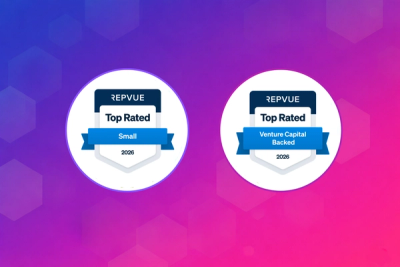
Socket won two 2026 Reppy Awards from RepVue, ranking in the top 5% of all sales orgs. AE Alexandra Lister shares what it's like to grow a sales career here.

Security News
NIST will stop enriching most CVEs under a new risk-based model, narrowing the NVD's scope as vulnerability submissions continue to surge.